
Sip into Tradition: Turkish Tea Unveiled!
An unexpected dance between coffee and capitalism. Discover the origins of Turkish tea — a tale of tradition, transformation and sustainability.
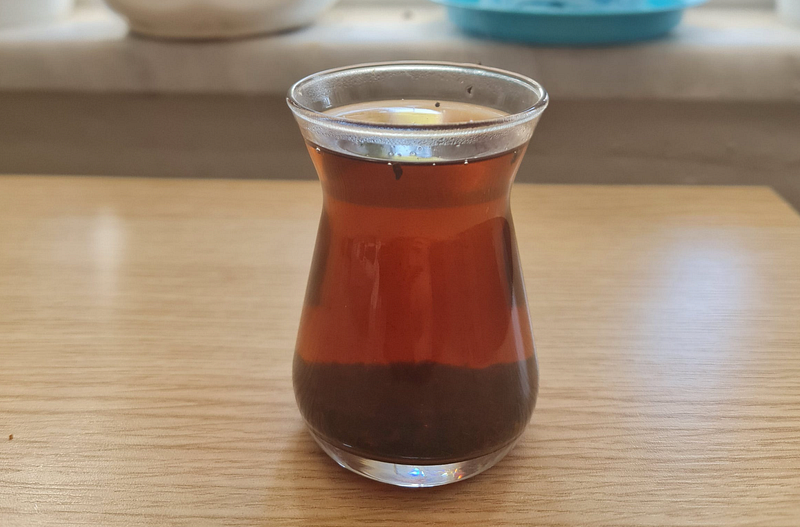
When it comes to “Tea,” many people immediately think of England, China, or India. However, the largest consumer of this beverage is none other than Turkey. It’s a fascinating twist considering that tea wasn’t deeply rooted in our culture. During the Ottoman Empire, coffee was the popular choice, and tea only gained prominence after the First World War.
Nonetheless, we don’t just enjoy this simple beverage in Turkey; we immerse ourselves in it. The average tea consumption per person in a year in England is 4.3 pounds, while in Turkey, it’s a whopping 7 pounds, nearly twice that of England. Personally, I have vivid memories of consuming at least a liter of black tea every day throughout my childhood until I moved to Europe.
When we discuss tea in Turkey, it’s always about black tea — whether it’s Earl Grey, Ceylon, or various other forms of black tea. But always black…
Before the foundation of the Turkish Republic, the Ottoman Empire was renowned for its coffee culture. They were the trailblazers who introduced coffee and distributed it across Europe. The transformation from such a robust coffee culture to a tea-centric one in such a short period is nothing short of fascinating.
From Coffee to Tea: A Brewing Transformation
After the World War I and the subsequent struggle for independence, Turkey found itself at a crossroads. The Ottoman Empire had crumbled, and the Turkish Republic emerged from the ruins. The Idea was to build a self-sufficient democratic nation rather than another empire.The newly-formed republic embarked on a series of rapid reforms.
Ottoman Empire stayed behind in technology, art, and humanities compared to Europe, so the government initiated a transformative agenda.
One of the strategic moves was a shift in people’s drinking habits from coffee to tea. This decision may seem peculiar at first, but considering the circumstances, it reveals itself as a clever and pragmatic choice.
Turkey lacked the land to cultivate coffee beans, and with the loss of the Arabic states, importing coffee became an expensive luxury for the economically strained nation. Soon after the government realized that the vast lands suitable for cultivating high-quality tea plants in the northern regions and they started to invest in tea production. Farmers were not only encouraged but also supported in planting tea. In less than a century, Turkey transformed into a nation addicted to tea, leaving behind its coffee-centric past.
The remnants of Ottoman coffee culture persisted only in the form of Turkish coffee, a cultural icon that is now undergoing changes as well. The winds of transformation are sweeping across Turkey, reshaping not just its beverages but also its cultural identity.
Tea as an Art: A Turkish Brewing Experience
In Turkey, traditional tea-making stands apart from other cultures. Here, we don’t casually dip tea bags; we engage in the art of “cooking” tea, a ritual that embodies an experience for most Turkish people.
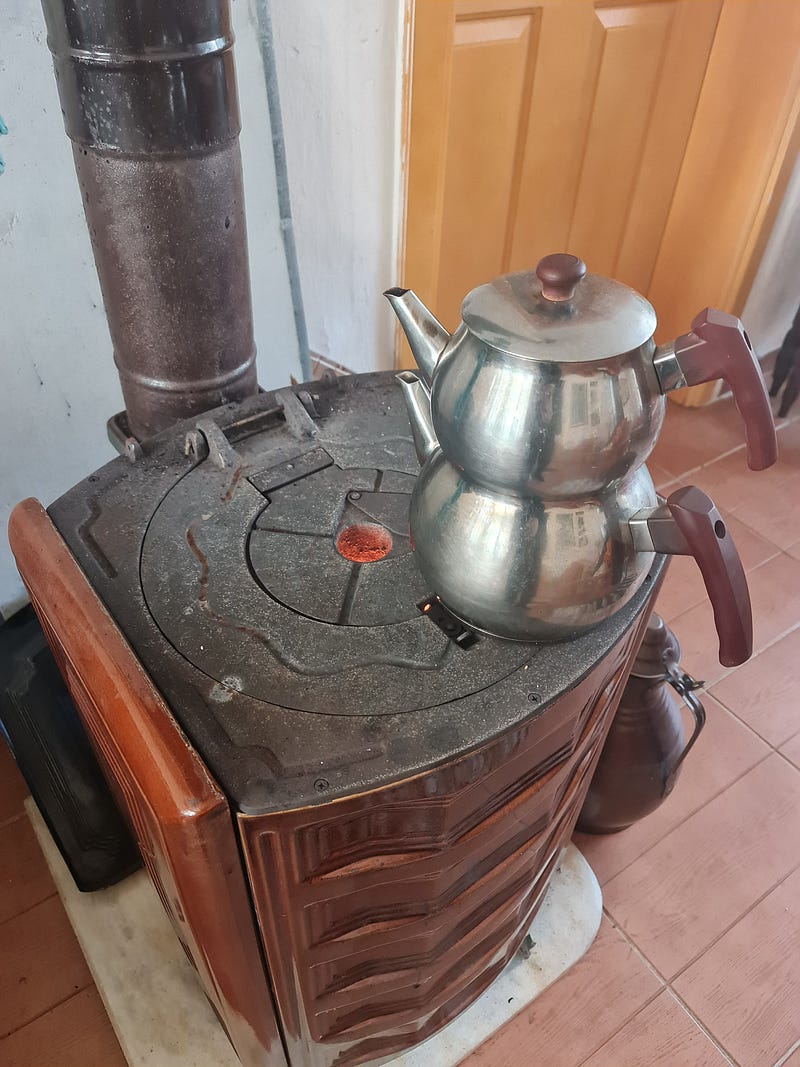
Central to this experience is the use of a special tea pot, typically consisting of two parts. The smaller part is dedicated to cooking the tea, while the lower section boils water to fine-tune the tea’s intensity when serving. Preferences vary — some prefer a dark brew, while others opt for a lighter touch, hence the need for boiled water. That kind of slow brewery makes the taste very rich. Some people prefer to add some sugar into it and it's fine. But not milk…never milk. Turkish people are very protective over how they consume their tea.
On any given day, the average Turkish person brews tea multiple times — for breakfast, around five in the afternoon, and without fail, after dinner, creating a daily ritual. It’s not uncommon for an individual to consume at least 1–1.5 liters of black tea daily.
Various cups are used for drinking tea, but the traditional and personal favorite of mine is the small tea glass, often affectionately referred to as the “thin belly.” Interestingly, a few years ago, a major whisky brand conducted an investigation to determine the perfect glass for whisky consumption. The design they settled on mirrored the “thin belly” Turkish tea glass. So, if you’re hunting for an artistic gift for a whisky lover, Turkish tea glasses are a chic and budget-friendly option. The unique shape wasn’t just an aesthetic choice — it also had economic implications. By eliminating the holder and slimming down the belly, significant cost savings were achieved in the production of these glasses.
Capitalism and Islamic Culture: The Coffee Renaissance in Turkey
Approximately a decade ago, the streets of Istanbul and Ankara, Turkey’s major cities, witnessed the emergence of Starbucks and a wave of third-generation coffee shops. Today, these coffee havens are ubiquitous, with Turkey even ranking among the top ten countries with the most Starbucks stores. The once-reigning Turkish coffee swiftly ceded its popularity and reverence to Americanos and Lattes served in these modern coffee establishments.
This shift can be attributed to a confluence of factors, beyond the growing coffee addiction.
- European and American Envy: The narrative of self-sufficiency has evolved, with a shift towards embracing a consumption-centric culture, a trend that gained momentum in the early 2000s. Drinking Turkish tea or coffee is no longer inherently “cool” — the allure of European and American coffee styles has taken precedence.
- Secular Erosion: The influence of secular ideals has waned over the years due to the government’s Islamic politics, leading to a significant increase in alcohol prices. Once-thriving bars and clubs, affordable beer during college days, and easy access to alcohol are now nostalgic memories. Today, many of these establishments have shuttered, making way for the rise of hookah and coffee shops. Obtaining a business license for a bar has become a cumbersome process, while opening a coffee shop is relatively simpler. This strategic maneuver appears to be a deliberate effort to minimize the presence of alcohol on the streets.
Tea: A Cultural Keystone that Cannot be Overlooked
Tea remains an indispensable pillar of our cultural identity. A Turkish breakfast without tea is more than a mere oversight — it’s deemed utterly unacceptable.
This sentiment was vividly captured in a viral advertisement from a couple of years ago. The scenario was simple: when waiters informed patrons that tea was not available for breakfast, the reactions were nothing short of humorous, with some even expressing their discontent aggressively. This simple yet powerful portrayal underscored the non-negotiable role of tea in the daily lives of Turkish People, particularly during the cherished ritual of breakfast.
A Simple Turkish Tea Recipe to Savor the Tradition
Brewing Turkish tea is an art, and here’s a basic recipe to help you embark on this flavorful journey:
- Place 5–6 spoons of tea leaves into the upper part of the tea pot.
- Boil some water and allow it to rest for approximately a minute. Then, gently pour the hot water over the tea leaves.
- Wait patiently for at least 15 minutes before serving, ensuring the tea pot remains warm.
- Take the upper part of the pot, pour the steeped tea into your cup, and adjust the taste by adding water to achieve your preferred balance.
- Now, savor and enjoy your well-crafted Turkish tea, embracing the rich tradition it represents.