
6 Simple Exercises to Raise Happiness
You can train your brain for happiness
May is Mental Health Awareness Month.
The Pandemic, which affects everyone, has exacerbated mental health problems and brought mental stress issues to the forefront.
Loneliness has disproportionately affected Gen Z’s (the “loneliest generation”) and America’s over-65 population (over 40% experience loneliness.)
These issues have been highlighted by several good conferences that zero on mental health and practical tips— In Pursuit of Happiness (Atlantic), Life after COVID (Being Well), The Happiness Summit, etc.
What is Happiness?
Arthur Brooks, a Harvard scholar, quoted the conclusion from the Grant Study (an 80-year study of adult life):
“Happiness is Love. Full stop.”
Kelly Eden in “An 80-Year Study Reveals The Key to Aging Well” echoed stable and loving relationship is the key to happiness, i.e. our mindset towards other people.
Social scientists define happiness as both improving well-being IN your life and improving happiness WITH your life (a stronger sense of life’s satisfaction.)
Note that the best killer of happiness is social comparison while the single thing that improves happiness is strengthening social connections.

Try these Simple Exercises to Raise Your Happiness
- Practice negative visualization: e.g. think of the worst things that could happen to you/loved ones and become more appreciative of your present circumstances (Stoicism).
- Social connection is the necessary condition for higher happiness — call your friends and families or write a love letter to your partner.
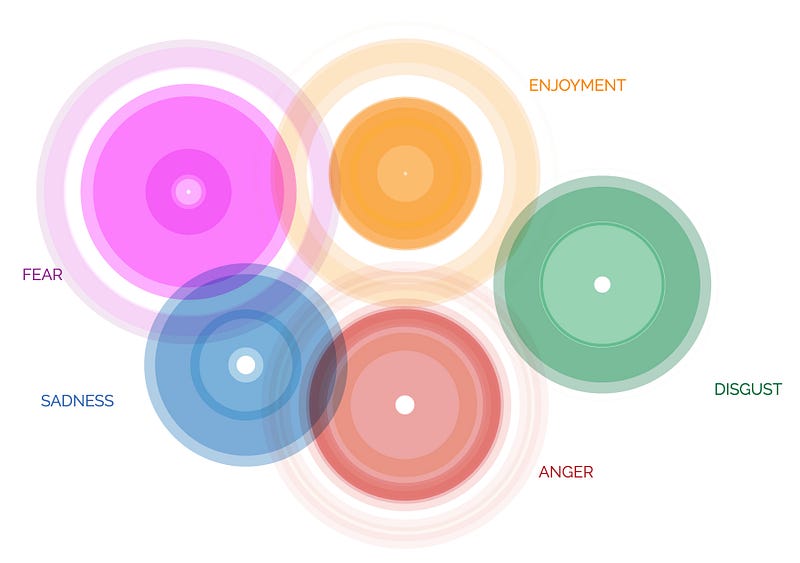
- Be aware of your emotion map (Dalai Lama, Atlas of Emotions). For example, sadness consists of many states ranging from disappointment to anguish. When a trigger event happens, e.g. a friend becomes angry at you, your body and emotion respond (weakness and emptiness). You can choose a constructive response (call a loved one) or a destructive one (feel ashamed.)
- Internalize your sense of worth, likeability, includability, respectability, decency, kindness, and goodness — helpful when your sense of shame creeps up (Rick Hanson).
- When anxiety arises, step back and say to yourself: “I don’t need to believe in everything I think.”
- Practice smiling meditation like the Taoists and Buddhists: either smile when you meditate or close your eyes and imagine that every part of your body is smiling (from head to toes.)
“What I advise you to do is, not to be unhappy before the crisis comes; since it may be that the dangers before which you paled as if they were threatening you, will never come upon you; they certainly have not yet come.”
~Seneca’s Letter to his Friend, Lucilius Junior
Thank you for reading!
If you like my writing, support me at ko-fi to help me create an East-West Wellness Journal. Thank you so much!


