avatarM. B. Ahmed

Free AI web copilot to create summaries, insights and extended knowledge, download it at here

1888

Abstract

one, for example, is a type of connective tissue and silica is a vital component within our bone-forming cells. As we age, bone maturation results in declination of silica concentrations and deposits of phosphorus and calcium occur simultaneously. In other words, the more “mature” the bone tissue, the lower the silica concentrations within the bone. Silica is therefore involved in the metabolism of calcium, phosphorus and magnesium to maintain healthy skeletal tissues.</p><figure id="6820"><img src="https://cdn-images-1.readmedium.com/v2/resize:fit:800/1*fQzsX83Kks00T9rZL4qpKA.jpeg"><figcaption>Image by <a href="https://pixabay.com/users/Taokinesis-2290689/?utm_source=link-attribution&amp;utm_medium=referral&amp;utm_campaign=image&amp;utm_content=1406964">Dr. Manuel González Reyes</a> from <a href="https://pixabay.com/?utm_source=link-attribution&amp;utm_medium=referral&amp;utm_campaign=image&amp;utm_content=1406964">Pixabay</a></figcaption></figure><p id="9d48"><b>Osteoporosis</b> Mounting evidence supports a physiological role for silica in bone formation. In a <a href="https://pubmed.ncbi.nlm.nih.gov/18547426/">double-blind placebo-controlled trial</a>, 136 women took calcium, vitamin D and silica supplement or placebo. Twelve months later, the therapy had a beneficial effect on bone collagen compared to taking just calcium and vitamin D alone. Another study has shown that <a href="https://www.nature.com/articles/s41598-020-66939-1">silicon compounds stimulate DNA synthesis in osteoblast-like cells</a> (responsible for new bone formation). The positive results of the studies suggest silica can aid bone repair, healing and in the fight against osteoporosis.</p><p id="56f2"><b>Alzheimer’s</b> In addition to connective tissue and bone health, detoxifying effects of silica to aluminium have been well-researched. <a href="https://www.tandfonline.com/doi/full/

Options

10.1586/14737175.2014.915745">Higher levels of aluminium</a> present in food or water is detrimental to health. Several researchers have suggested <a href="https://www.ncbi.nlm.nih.gov/pmc/articles/PMC3056430/">aluminium toxicity may be involved in the pathology of Alzheimer’s</a> and other neurological diseases. In studies with rats, silica was found to <a href="https://pubmed.ncbi.nlm.nih.gov/9651136/">prevent the accumulation of aluminium in the brain.</a> It is believed that <a href="https://academic.oup.com/ajcn/article/71/4/944/4729147">silicon bonds with aluminium</a> present in food and drinks reducing its absorption from the gut.</p><p id="082e"><b>Atherosclerosis</b> Artherescorosis is the narrowing of the arteries caused by a build-up of plaque which results in reduced blood flow leading to poor heart health. <a href="https://www.sciencedirect.com/science/article/pii/S0040603118307329">Silica enhances the utilization of calcium</a> by preventing calcium build-up in arteries such as the aorta. Moreover, in an experiment, rabbits fed with high cholesterol diet and, silica supplementation <a href="https://pubmed.ncbi.nlm.nih.gov/508383/">prevented the development of atherosclerosis</a>. As we can see, silica supplementation reduces the occurrence of atherosclerotic lesions in blood vessels.</p><p id="2c73"><b>Immunity</b> Research has shown that silica enhances the <a href="https://www.frontiersin.org/articles/10.3389/fimmu.2018.03069/full">production of antibodies and antigens</a> that the immune system requires to fight infection. Even when the immune system is compromised, it aids in faster recovery from colds, flu and infections.</p><p id="3bd3">So, there you have it. Silica is more than just a beauty supplement, although it’s best to incorporate it through diet, some people may choose to supplement to reap the full benefit.</p></article></body>

Silica — An Overlooked Mineral with Impressive Benefits

Image by Anastasia Gepp from Pixabay

Collagen. Hyaluronic acid. Vitamin C. We hear it almost everywhere and on everyone’s lips. How is silica different? Well, not far off. Silica is not only essential for collagen formation but in the prevention of diseases like atherosclerosis and Alzheimers.

Silica, also known as silicon dioxide, is the most abundant element in the earth’s crust. It is present in sand, toothpaste, cosmetics and even in those little sachets that absorb moisture in food packaging. We need it for the development of bones, cartilage, connective tissue, skin, hair and nails. Experts advise that silica obtained from the diet are insufficient and could be responsible for symptoms such as ageing skin, osteoarthritis, brittle nails and skin. Good sources of silica are plant foods, vegetables, whole grains, onions, brown rice, strawberries, potatoes and leafy greens.

Skin, bone and nails Silica is essential for optimal collagen synthesis and for activating enzymes necessary for collagen network, improving skin and joint strength and elasticity. Silica stabilizes the glycosaminoglycan network that has water-retaining properties. Collagen is the protein responsible for keeping skin smooth and unlined, and deficiency often results in breakouts, brittle nails and wrinkles. Bone, for example, is a type of connective tissue and silica is a vital component within our bone-forming cells. As we age, bone maturation results in declination of silica concentrations and deposits of phosphorus and calcium occur simultaneously. In other words, the more “mature” the bone tissue, the lower the silica concentrations within the bone. Silica is therefore involved in the metabolism of calcium, phosphorus and magnesium to maintain healthy skeletal tissues.
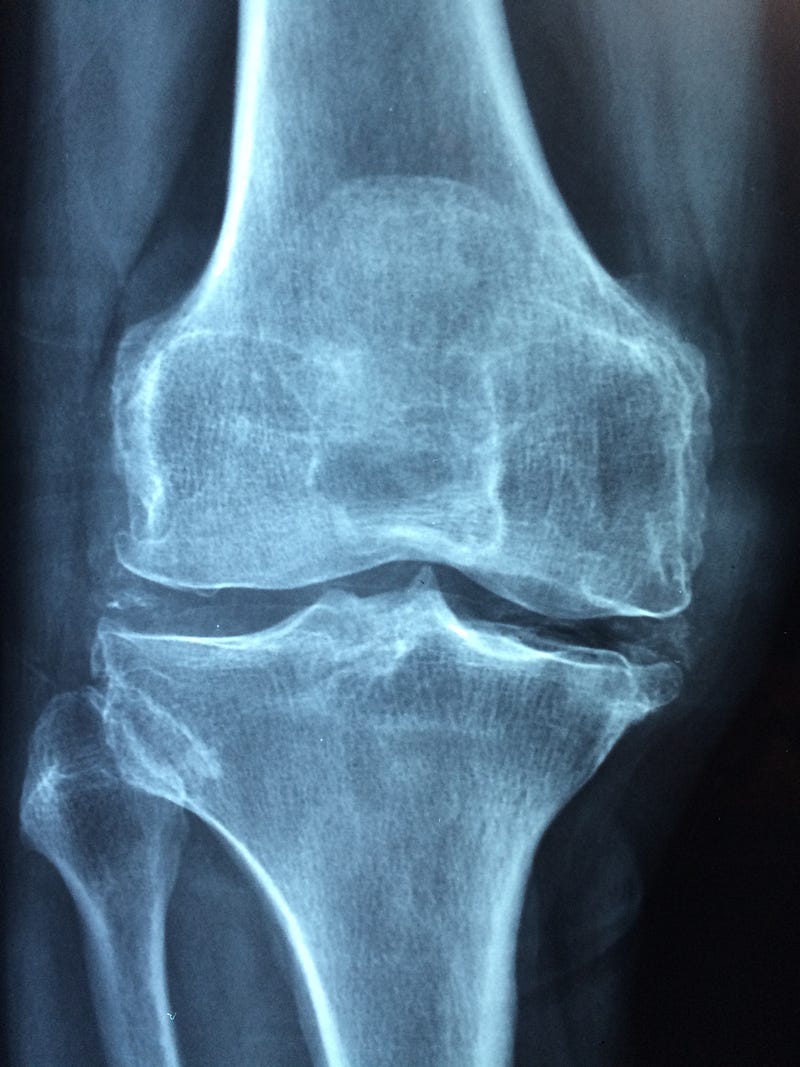
Image by Dr. Manuel González Reyes from Pixabay

Osteoporosis Mounting evidence supports a physiological role for silica in bone formation. In a double-blind placebo-controlled trial, 136 women took calcium, vitamin D and silica supplement or placebo. Twelve months later, the therapy had a beneficial effect on bone collagen compared to taking just calcium and vitamin D alone. Another study has shown that silicon compounds stimulate DNA synthesis in osteoblast-like cells (responsible for new bone formation). The positive results of the studies suggest silica can aid bone repair, healing and in the fight against osteoporosis.

Alzheimer’s In addition to connective tissue and bone health, detoxifying effects of silica to aluminium have been well-researched. Higher levels of aluminium present in food or water is detrimental to health. Several researchers have suggested aluminium toxicity may be involved in the pathology of Alzheimer’s and other neurological diseases. In studies with rats, silica was found to prevent the accumulation of aluminium in the brain. It is believed that silicon bonds with aluminium present in food and drinks reducing its absorption from the gut.

Atherosclerosis Artherescorosis is the narrowing of the arteries caused by a build-up of plaque which results in reduced blood flow leading to poor heart health. Silica enhances the utilization of calcium by preventing calcium build-up in arteries such as the aorta. Moreover, in an experiment, rabbits fed with high cholesterol diet and, silica supplementation prevented the development of atherosclerosis. As we can see, silica supplementation reduces the occurrence of atherosclerotic lesions in blood vessels.

Immunity Research has shown that silica enhances the production of antibodies and antigens that the immune system requires to fight infection. Even when the immune system is compromised, it aids in faster recovery from colds, flu and infections.

So, there you have it. Silica is more than just a beauty supplement, although it’s best to incorporate it through diet, some people may choose to supplement to reap the full benefit.

Beauty Tips
Alzheimers
Osteoporosis
Heart Disease
Immunity
Recommended from ReadMedium