
Silencing the Night Sky: Celebrate New Year’s with Heart, Not Fireworks
My grandfather taught me empathy and different traditions that respect animals and vulnerable people
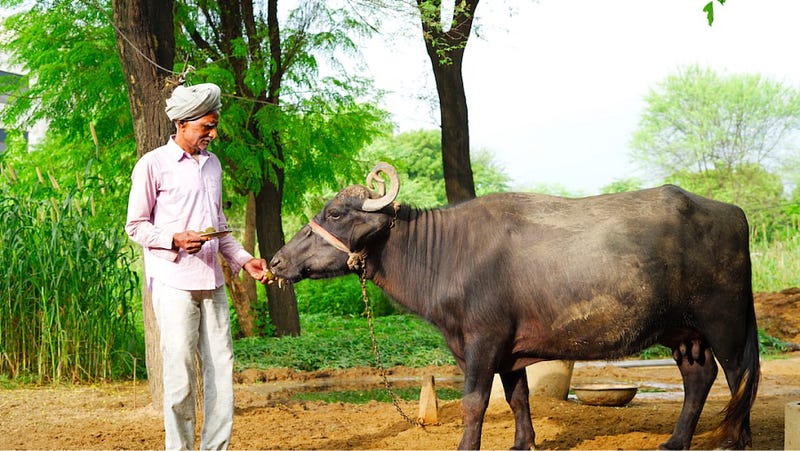
Every year ends loudly in my country: With a crackling night sky, explosions, boom-bang. Or, to use the words of my grandfather, a farmer:
“Eh, fireworks! A lot of money is shot into the air, littering the environment, hurting people, and scaring animals — just for some minutes of questionable human entertainment. Pah!”
He said this since I was a toddler, happily roaming the fields, stables, and barn with him. New Year’s Eve was our animal’s nightmare, and grandfather plus other fellow humans would despise it as well.
Grandfather was born into the World War II era— when explosions meant suffering.
Missiles were shot everywhere, detonations fabricating a constant noise and illuminating the sky angry-red. When he was still a kid, Grandfather’s family was seeking shelter on the farm and was mostly spared from the war. That was until his father got hit by stray shrapnel, surviving, but hurting his arm badly — a traumatizing tale of traumatizing years.
Grandfather was always honest with me and told me those stories, even when I was younger. Mom tried to scold him, not to ruin my innocence. Humanity can be cruel though, this much I gathered at a young age. Gramps would try to hide the horror of those past yet not-forgotten times. Still, I read him like a book, gazing behind his dead-pan facade.
Modern fireworks are rockets shot for fun, creating fancy explosions easy on the sensation-hungry eye. A bit of glitter & boom, to mark special occasions. They bring up bad memories though, can re-traumatize people who had to experience war and scare the helpless and ill, e.g. inhabitants of senior citizens’ homes or hospitals.
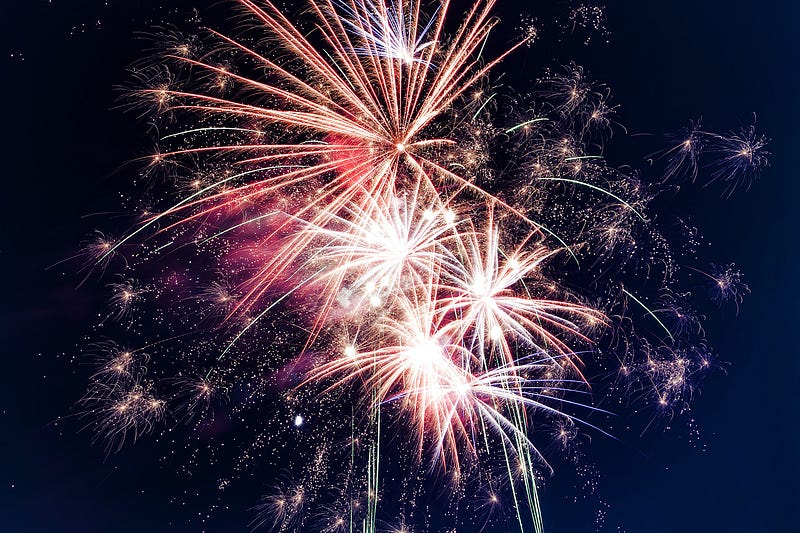
I witnessed this myself. My great-grandmother, Gramps’ mom, developed dementia in old age. Sudden loud noises like exploding pyrotechnics would give her panic attacks. She used to scream “The soldiers are back” then and shivered uncontrollably in her bed.
Thus, my personal opinion about fireworks was shaped by Grandfather’s tales and the horrible news broadcastings. Fireworks would accidentally cause severe burns on hands, arms, and other body parts — and sometimes even lead to broken bones. They could result in blast trauma, or eye injuries, and send lots of people to the emergency departments. Many of them had underestimated the dangers of explosives, despite the (admittedly) subtle warning signs on the colorful packaging.
I would always ask myself: Why?! Was costly pyrotechnics worth risking mental and physical pain, even if it might not happen to you personally? The clear answer was — No. Because humans suffer, and animals, too.
At the end of each year, I felt so sorry for our farm animals.
The noisy and bright pyrotechnics would interrupt their sleep and send them into a confused state of madness.
Usually quiet during the night, our cows would audibly get up and trample in the stables, mooing nervously. Some pigs joined the upheaval, some squeaking. Our fluffy rabbits would start zooming left-right, and back again, not able to detect where the noisy, suspected danger came from.
Cats were nowhere to be seen. Some were hidden indoors, shaking and wide-eyed under the sofa, others scared (but hopefully, safe) in nooks and crannies. The only ones who suffered silently were the chickens and pigeons, huddled closely together. Tiny me always imagined how they covered their ears under their wings.
On January 1st, the morning after, it was… too quiet. No bird song, no feathered friends in the sky (yes, some birds reside in our latitudes, even in winter). They probably fled and were still in hiding mode. The furry animals behaved differently, too: Either overly tired, unmotivated, and moody, or fidgety, stressed, and on edge.
I felt their accusing stares, and, ashamed about my co-humans, looked down. Followed by giving everyone some extra cuddles and food.
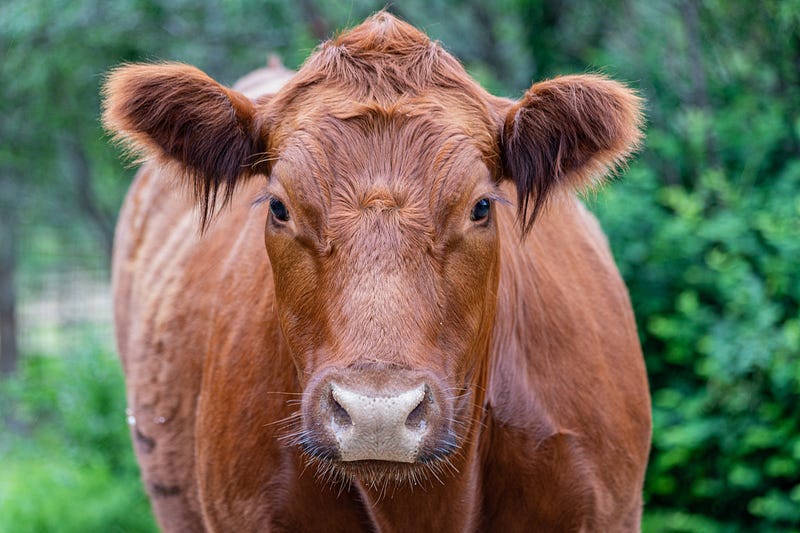
Undeniably, Grandfather said, animals in the wild would suffer because of human-made pyrotechnics, too. Fireworks interrupt their natural bio-rhythm, impacting their patterns of searching for food, mating, and sleeping, sending them into a state of terror. Some lose their sense of hearing or even their lives, burned-out from fleeing.
Terrified birds fly for kilometers and try to escape to uncommon heights. Hibernating species like hedgehogs are disturbed, twitch, and can wake up, using up too much precious in the dark season. Startled deer, foxes, and co. are separated in panic, and lose their families. We, humans, are shooting rockets with family and friends, but wild animals might lose theirs.
Grandpa and I found different, less explosive ways to celebrate New Year's —to maintain a sense of relaxation.
I loved my grandfather because he loved animals, and still does. While he could not prevent people from buying fireworks, he would never succumb to the commercial pyrotechnics frenzy. Also, he never shied away from telling others his reasons why. Additionally, Gramps would do his best to make the last days of the year as animal-friendly as possible.
Cows, for example, are just very big and sensitive babies. Ours had names, with personal nameplates in the stable. Which led to funny conversations, like “Blossom is feisty today” or “Bee’s space needs mucking out.” The bulls, a bit more spicy, were my long-horned friends, too.
New Year’s Eve was a good day as any to brush their fur with long strokes, and scratching the curious flock of curly hair over their wide foreheads. Gazing adoringly behind long lashes, flicking their tongues, I knew the cattle was relaxed and enjoyed it. Sometimes, I would read bedtime stories ton the bulls — why not practice my elementary school reading skills with an audience — and send Gramps into a laughing fit.
At dusk on New Year’s Eve, the cows would get a slice of hardened bread with some salt. A special treat, grandfather used to say. I noticed he was extra-generous with feeding the other animals, too.
In the evening, our outdoor cats were encouraged to stay indoors longer than usual by coaxing them with treats, playtime, and pets. Grandpa gathered them around himself like a gang boss.
Around midnight, fireworks already going off all around us, we would visit the stables — to check all windows were safely closed and to murmur soothingly, hoping to calm the stressed nerves of our animal posse.
But how did we celebrate New Year’s Eve ourselves, you ask?
Sometimes, my parents went out to party, and so did I when I grew up. However, I felt the “party pressure” very soon, with this particular evening having to be especially wild and memorable. Great parties are like species though — you will find them when you expect them the least.
Today, I cherish the family traditions I got to know from Grandpa and Grandma since childhood: Celebrating in a relaxed manner, with good food drinks, and favorite humans. We choose calm rituals soothing our nerves — and not disturbing fellow humans or animals.
For example, instead of rockets, I go for sparklers. Holding them into my cold fingers, I’ll take a brisk walk outside to welcome the New Year. Preferably in vast areas without many houses, where I will not risk meeting people throwing firecrackers in my way. Turns out: I’m noise-sensitive, too.
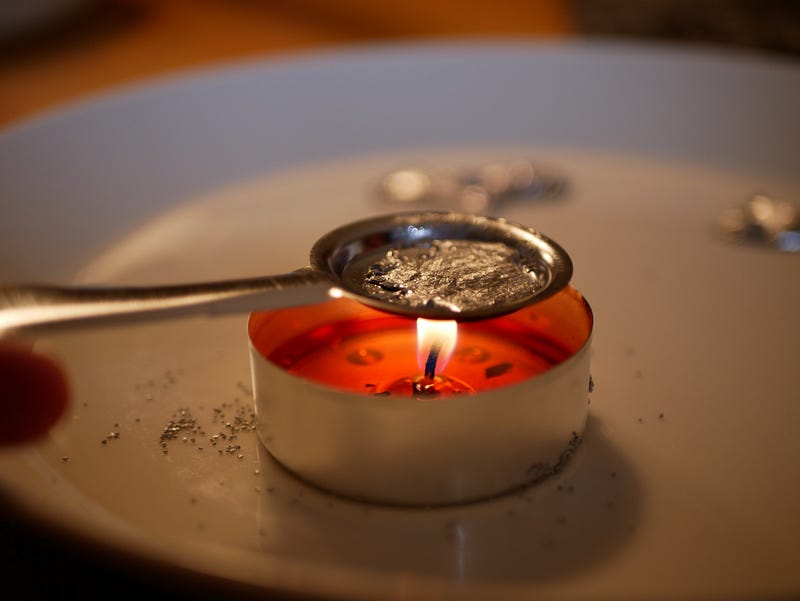
Another tradition I have known since my toddler days is pouring molten lead into the water: sitting together around a table with loved ones, the resulting shapes were used as an oracle for fortune telling. Great fun!
Sometime after midnight, we would have homemade donuts filled with jam. Or, if you were unlucky, filled with mustard — a well-loved prank. Hopefully, not a bad omen for the new year…
Thank you for reading.
© 2023 by Mad Midori