
Silencing Stories: The Real Cost Of Book Bans
Is there a hidden agenda?
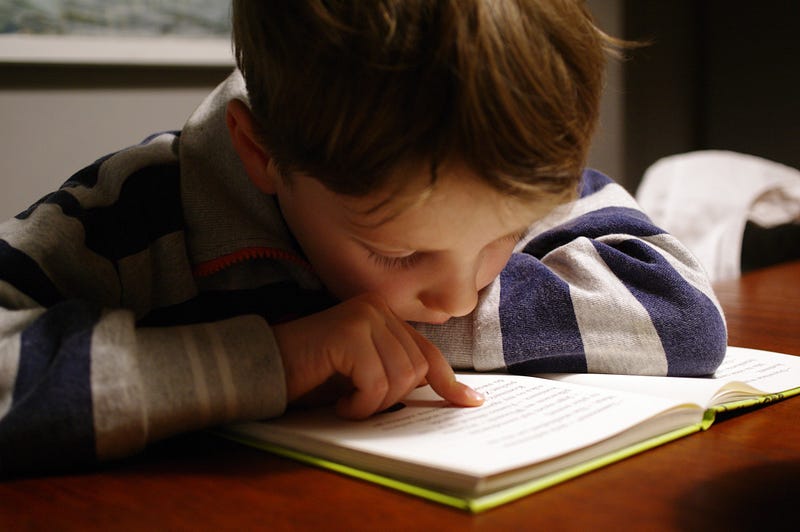
Since I first learned how to read, I have had an ongoing love affair with books.
Books provide us with an escape from the stresses of everyday life, help us to relax, and allow us to explore new worlds and ideas.
I love everything about them. From the smell of a freshly opened book to the words that call out to me from the pages.
Beautiful covers accompanied by a heartfelt description of what one may find inside the literary package of wonder.
What’s not to love?
Apparently, a lot, if you listen to some folks!
Book banning is alive and well across the globe.
Essentially, bans include books or other printed works, such as essays or plays, which are forbidden by law, or to which free access is not permitted by other means. It is a form of censorship for political, legal, religious, moral, or even commercial motives.
In other words, the decision to ban books is based upon personal and arbitrary decisions. Usually made by the “holier than thou” faction.
I am a huge believer in freedom of speech. As such, I believe that for a book to be banned, there has to be something seriously wrong with it. Being filled with oppressive hate speech would be one such example. That is not a book anyway, it is a misguided, hurtful, and harmful political platform.
The problem is that most banned books do not even come close to fitting into this category. For instance, some of our most classic novels have been banned at one time in one form or another in different states or jurisdictions. A very small sampling of banned books includes:
Catcher in the Rye
The Great Gatsby
Grapes of Wrath
To Kill A Mockingbird
The Lord of the Flies
Ulysses
Of Mice and Men
1984
Animal Farm
The Sun Also Rises
Do you see the problem?
Different States or jurisdictions are busy banning books and curricula at will, as long as it fits with their political narrative. Libraries, schools, and stores have all been hit with a vengeance!
It leads one to wonder what the impact of such a biased approach will bring.
The greatest effect of banning a book is ignorance.
People who are not exposed to different viewpoints and opinions will never learn to think for themselves or to tolerate the views of others. They will become sheltered and closed-minded, unable to deal with opposing points of view. Forced into an echo chamber of someone else’s choosing.
This can lead to a variety of problems, both on an individual level and a societal level. When people are unable to deal with dissent and differences, they are more likely to resort to violence.
Take a look at the news today, and you can get a pretty good idea of what I am talking about!
Additionally, banning books has a chilling effect on freedom of speech and freedom of expression. When people know that certain ideas or expressions are off-limits, they self-censor out of fear of punishment. This stifles creativity and open dialogue, preventing new and innovative ideas from taking root.
The argument of the “book banners” is that they seek to protect people from offensive or harmful content.
Really?
In whose eyes?
That is an awfully big assumption and a huge stretch. It is also inherently harmful, divisive, and dangerous.
For instance, many school libraries in different states have banned books with LGBTQ content. They consider it to be harmful and controversial content.
Really?
In whose eyes?
Let’s be real here. Banning books only leads to a complete lack of understanding and empathy for others, as well as a fear of anything that is different from what we know.
This is especially problematic for children and young people.
Banned books that have been deemed “unfit” for certain age groups deprive young people of the opportunity to learn about various topics in a safe and controlled environment. It is better to provide children with the tools they need to deal with such material, rather than shielding them from it altogether.
How to stand up for your right to read
As a society, we value our right to freedom of expression.
This right includes the freedom to read whatever we want, without interference from the government or other institutions.
So what can you do if you believe that a book should not be banned? Here are a few suggestions:
-Educate yourself about the issue. Before you take a stand, make sure you understand why the book is being challenged. Is it because of offensive language? Violence? Sexual content? Once you know the reason for the ban, you can be better prepared to defend your position.
-Reach out to your local librarian or teacher. They can provide information about the process of challenging a book ban and may be able to offer help in organizing your own protest.
-Speak up! Whether it’s writing a letter to the editor or speaking at a school board meeting, make your voice heard. The more people who stand up for their right to read, the harder it is for censors to succeed.
Final Thoughts
It is always important to remember that it is our right as citizens to read whatever we want.
If you live in a country where books are banned, there are still ways you can get your hands on them. And if you live in a country where books are not currently banned, you can help make sure they never will be.
In fact, there are many stores that specialize solely in selling banned books!
Whatever the case may be, I really wish the powers that be would stop telling me what to read!
I will read whatever I want!
Follow The Hub Publication for practical tips and inspiring stories.