
Signs You Are Suffering An Inner Child Wound and Ten Ways to Heal
Avoid self-sabotaging relationships and other areas of life by recognizing and healing the child within.
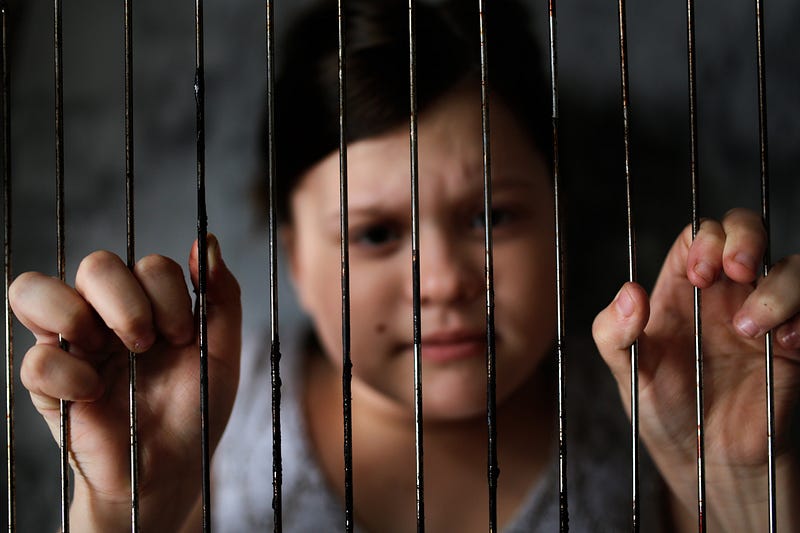
It should come to no surprise that so many relationships fail today because over 60 percent of adults suffer from childhood trauma of some magnitude; many of which never are resolved and some of whom are unaware. When our childhood wounds are subconsciously carried into adult relationships it causes toxic behavior. It also causes us as individuals to self-sabotage in many other areas of life in addition to relationships. The first step to healing is recognizing the signs.
If you recognize any of the following signs you may be carrying a childhood wound:
- Being a people pleaser
- Rebel/misfit
- Over achiever
- Fear of abandonment
- Struggle to say no
- Workaholic
- Shopaholic
- Addicted to social media
- Over eater
- Substance abuse
- Need for external validation
“If you suffer from a crippling sense of shame or unworthiness, have the courage to challenge it.
It’s one thing to realize areas you need to work on, or mistakes you need to make amends for. That is healthy. But a general feeling that you are unworthy or defective human being is not natural. Probably you were infected with shame by abusive judgmental people.
Shame as a state of being is a hopeless, trapped feeling. It doesn’t offer solutions, only beats you down. That kind of shame will never make you a better person. It is a barrier to personal growth.” ~John Mark Green
Once we recognize we still have a wounded child within we can then start to acknowledge that inner child and help him or her to heal. We are all children within the cages of our adult bodies. Our souls do not know the confines of age. A wounded child still acts on the emotional intelligence level of which he or she was wounded. So, for example if a child was abused at age seven, as an adult he/ she will lash out as the angry seven-year-old trapped within throwing a temper tantrum because they feel unheard and fear being abandoned or rejected. When we acknowledge, heal, and raise the emotional intelligence we can then act on a more appropriate level and begin to thrive in all areas of life.
“Being able to feel safe with other people is probably the single most important aspect of mental health; safe connections are fundamental to meaningful and satisfying lives.” ~Bessel van der Kolk
It is entirely possible to learn to step into the role of our own nurturing parent, giving ourselves what we needed all along. We can create the secure attachment for ourselves that we lacked in childhood by learning self-love and acceptance, and I will teach you in my ten-steps.
Ten Steps to Heal the Inner Child Wound
- Acknowledge the child within. Accept the things that caused pain in your childhood. Revisit those things in detail. Bring it into the light so you can finally heal. Let go of any shame or blame you may be carrying. Nothing that happened is your fault.
- Listen to what your inner child has to say. Does he/she feel abandoned, angry, lonely, rejected, betrayed, hurt, neglected, scared?
- Write a letter to your inner child from your adult perspective offering insight about what you did not understand in your younger years. Consider things like, “how did you feel?” “What did you need from me?” “You are safe now.”
- Breathing exercises, Grounding techniques, and Meditation. Going within and tuning out the chaos of the external world can provide great safety and security.
- Journal-writing our thoughts feelings and emotions is a great way to release. We are able to explore past childhood memories and release pent up expressions.
- Harness the power of play. This will allow you to re-connect with the child within and provide safety and security as well as playfulness that may have been inappropriately robbed from childhood.
- Therapy- it can be very helpful, especially if you have experienced childhood trauma or complex trauma to seek professional care.
- Positive Affirmations and Mantras, such as, “I am safe”, “I am enough”
- Boundaries- setting personal boundaries is something that most people who struggle with childhood wounds are not innately good at and need to work on to enforce.
- Feel it to heal it. Allow each emotion to flow freely through you free from judgment. Simply observe each feeling and try to connect it with what triggered you. Then find healthy self-soothing techniques for when you feel triggered. I personally like to go for a walk outside or listen to calming music.
Coming Back to Present Moment Awareness
Coming back to present moment awareness allows the child within to feel safe. Most of the time we get triggered by past fears or future worries, but when we bring our awareness back to the present moment, we are able to remind ourselves that we are safe. We can ask ourselves if what we are feeling is real or a flashback of something from our past or perhaps a fear of the worst-case scenario.
“Traumatized people chronically feel unsafe inside their bodies.
Their past is alive in the form of gnawing interior discomfort. Their bodies are constantly bombarded by visceral warning signs, and, in an attempt to control these processes, they often become expert at ignoring their gut feelings and in numbing awareness of what is played outside. They learn to hide themselves.” ~Bessel van der Kolk

Acceptance and Forgiveness are the Final Keys to Forward Movement in Life
Once we acknowledge the child within and heal the past wounds it is important to not only accept what happened in our past life, but to love and accept ourselves as we are. Until we do it is nearly impossible to live authentically and truly connect with others which as I quoted from Bessel van der Kolk is essential to creating meaningful lives. Finally, we must forgive anyone who did us wrong in our past. It is not necessary to tell them, but to carry a grudge only hurts ourselves. It will literally fester and manifest in physical form causing illness such as migraines or heart disease. Some people get psycho somatic illness which is when you have physical symptoms such as fatigue, high blood pressure, aches and pains, migraines, rashes, stomach upset, ulcers, insomnia, and other very real issues that cannot be medically explained that are induced by trauma and stress hormones. So, please let go and forgive, but only when you are ready. This is an essential step in the healing process, but it cannot be rushed. I know because I experienced it after my now-ex-husband water boarded me fifteen years ago.
It took many years of long hikes alone, self-study, many hours of yoga, self-help books, therapy, meditation, breathwork, candles, long bubble baths and self-care. It took building my own emotional intelligence which built my confidence, strengthened my career and my relationship, and gave me the personal strength I needed to learn to forgive and accept myself and my ex.
I speak from personal experience. I lived through this. I know this process works and I simply want to help others to live the life I know you are worthy of. Please, each day is to be treasured and I wasted far too many.
“I live my life based on two principles. One, I live as if today was my last day on earth. Two, I live as if I am going to live forever.” ~Osho
I hope you will watch and be inspired by the Brene Brown video I shared on vulnerability because it is an incredibly courageous emotion. Our parents may have never said they were proud of us or they loved us. But guess what? We are our own biggest critic at the end of the day. So stop living in the past and stop looking for outside validation. Quiet that harsh inner critic and start recognizing your own triumphs. Stop judging others. We truly never know what someone else has been through. Observe free from judgement. Look at the child within each adult body and just maybe we can all have a little more empathy.
Thank you so much for taking the time to read this I hope you will subscribe to my email to stay in touch and comment to tell me your interests and where you are from. If you are not a member yet on Medium please consider signing up for a Membership to read as many articles from not only myself but many other inspiring writers. We get a small stipend that supports the time that we spend writing and you can also write which is a great creative outlet.
Please read Art Bram’s article About becoming his own self-loving parent. I think it is such an incredibly important concept and a very well written article!


