Summary
The text is a poetic expression of a person's deep longing for solace and transformation amidst overwhelming sadness.
Abstract
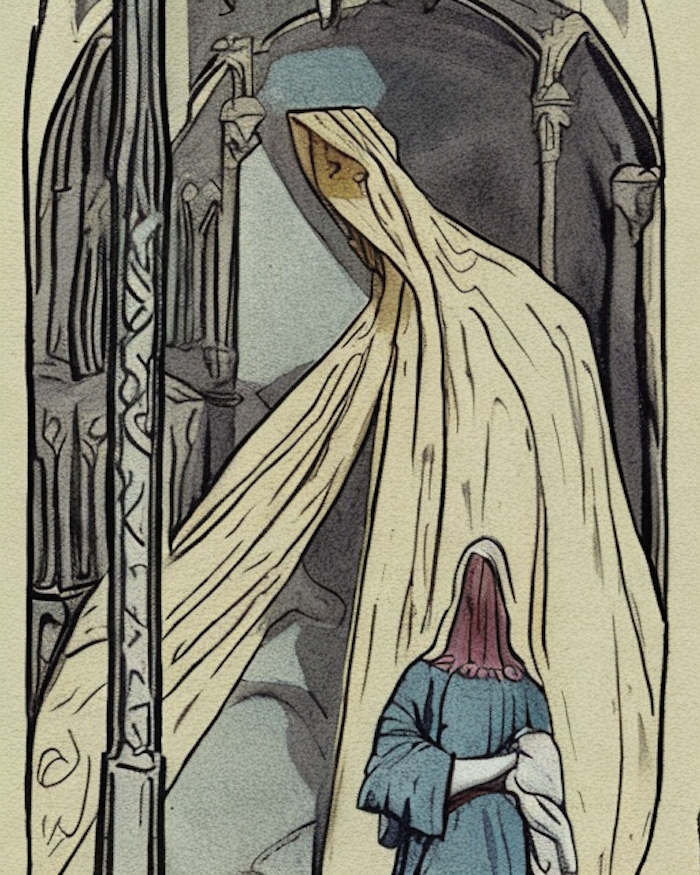
The author conveys a poignant search for emotional refuge through the metaphor of a shroud, seeking to be enveloped in white and blue, colors often associated with purity and serenity. The inefficacy of whisky as a means of escape is acknowledged, suggesting a depth of sorrow beyond the reach of alcohol's numbing effects. The speaker likens themselves to a stonefish, a creature known for its venomous spines, being skillfully handled and stripped bare by a master, indicating a vulnerability and a desire for a profound change or release from their current state. The mention of iron sand and a piercer dulling the brain alludes to a process of reshaping or numbing, perhaps through intense meditation or reflection. Finally, the yearning extends to a metaphorical cloud of water to conceal the speaker's blue skin, symbolizing a need to mask emotional pain or to transition into a new state of being.
Opinions
- The author expresses a profound sense of sorrow that is not easily alleviated, indicating a dissatisfaction with superficial solutions like drinking.
- There is a sense of surrender and a desire for metamorphosis, as suggested by the imagery of being skinned, cut, and peeled by a master.
- The text reflects a wish for emotional concealment or healing, as the speaker seeks a cloud of water to cover their blue skin, which may symbolize sadness or melancholy.
- The use of vivid and tactile imagery throughout the poem suggests a sensory experience of pain and the process of healing or transformation.
- The mention of a "master" implies a trust in someone or something capable of guiding the speaker through their emotional journey, hinting at a search for guidance or wisdom.