
Business | Self
Shrinkflation is The Hidden Problem Nobody Worries About
It shows which corporations are snakes.
I went every day.
Smoothie King was my reward. I did an hour of intense lifting and bought a 40-ounce smoothie after.
One day, I noticed they were only filling my cup up 80%. I got agitated. It felt like a silly first-world complaint — but I was paying $12 for a smoothie. Cmon.
I mentioned it to an employee, “Can you please fill the drink up all the way?”
She said, “Sorry. Corporate told employees to use this new recipe when making smoothies.”
There was a directive not to fill cups up all the way. Some accountant had busted out a spreadsheet and figured out how to cut corners on customers.
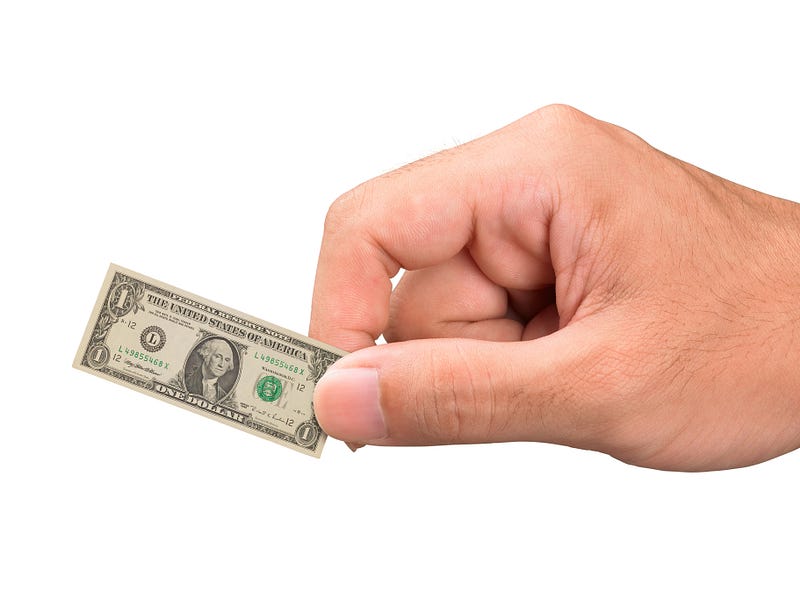
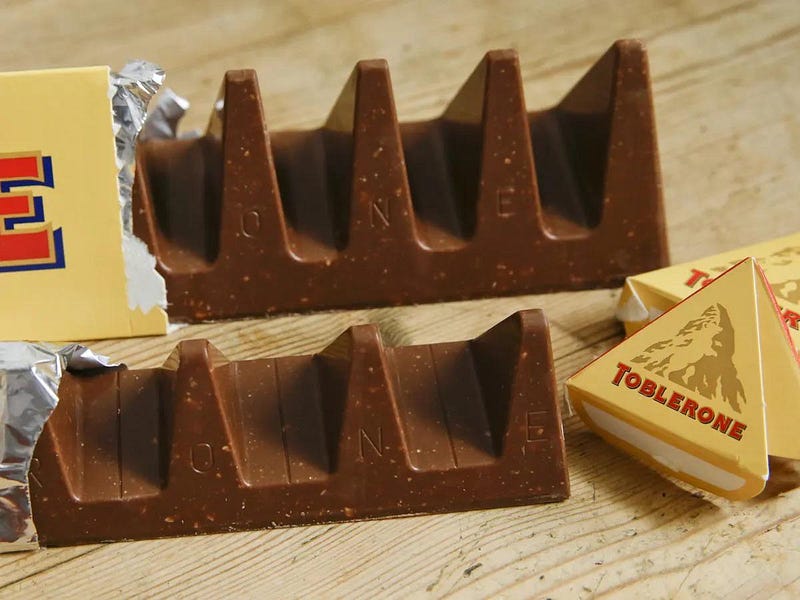
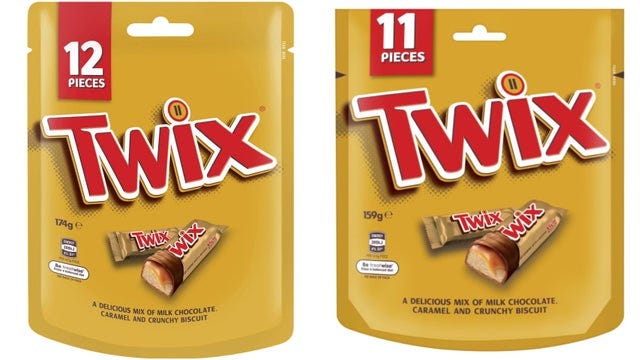
Little did I know, this was just one small chapter in the ongoing and grinding assault on product quality. Shrinkflation goes well beyond the reduction of stuff you buy and the shady packaging companies use:
The first shrinkflation disaster
You might remember the “fake footlong” PR nightmare. It was one of the first times a large corporation was caught with its figurative pants down.
Two New Jersey men sued Subway after visiting 17 Subways and measuring every sandwich to discover not a single one was 12 inches. The photo went completely viral on Twitter:
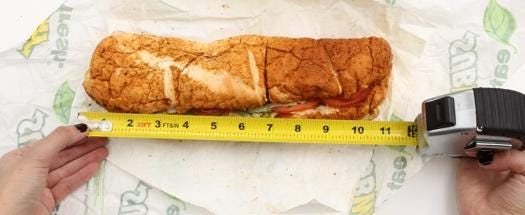
Although each sub was only .5 to 1 inch short, it clearly struck a nerve with the public. People know shenanigans are afoot. The fake footlong case study was also a delightful double entendre for men lying about their penis size.
And while the plaintiffs ultimately lost their lawsuit, Subway has since implemented stricter adherence to their footlong rule.
But they released some mumbo jumbo PR statement that their internal processes weren’t cooking ingredients properly bla-bla-bla.
It’s the little stuff that pisses me off.
This corner-cutting adds up and highlights the insatiable greed of corporations. Each tiny chip of value piles up into a mountain of theft.
Here’s another personal example
I used to get reward points with my Walgreens pharmacy.
If I bought certain things, I got double points. There were bonus rewards days. I had fun collecting the points, and watching the number tick higher and higher.
The employee said I could use them whenever I saw fit. And so I waited.
Finally, a few years later, I decided to cash in. The store employee said there was a new rule: rewards expired after 12 months.
Nobody bothered telling me and all my points were gone ($200+). I had to call a special support number to raise hell — fortunately, I got the points back.
The lesson I learned: cash all rewards out quickly. My bank has an auto-redeem set for my credit card rewards.
All it takes is some new CEO/CFO to come in and say, “You know what? We need to cut back on our rewards spending. It was 2.12% of our cost structure!”
We are partially to blame
This is a flight in the 1950s:

Passengers had their own reclining seats with leg rests. There were only 20–30 people per flight attendant.
You probably know where I’m going with this: we got cheap.
But it’s not that simple.
The people in the above photo would need to be successful, upper-income customers. Flying was prohibitively expensive, a luxury many people aspired to experience at least once in life.
I’m one of those people that complains incessantly about cramped airlines.
I bitch and moan— but when it’s an option to pay $30 for more leg room? I tuck my tail and opt-out. I’m willing to shrink the travel packaging I ride in just to save a buck. I’m not proud of it.
Companies walk this strange line of allowing products to deteriorate to the minimal-shittiness level customers will tolerate yet still pay for.
Or they just pat themselves on the back for fake perks:
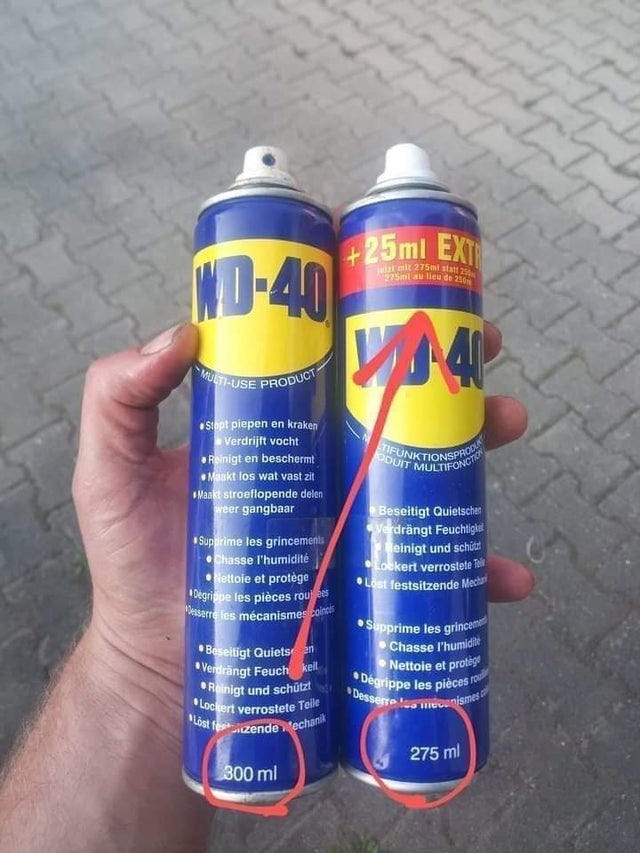
This reminds me of candy bar packaging that brags about being fat-free. Spoiler alert, your body eventually converts sugar into fat.
Shrinkflation is also horrible for the environment. The reduction of the product creates a higher ratio of plastic to the actual content.
The watering down of everything you buy
Given inflation and economic slowdowns (customers being more price sensitive) you’ll likely see food reformulations.
Your candy bars and snacks will be made with even cheaper, less healthy ingredients. Your yogurt will have more water.
Here’s a perfect example:
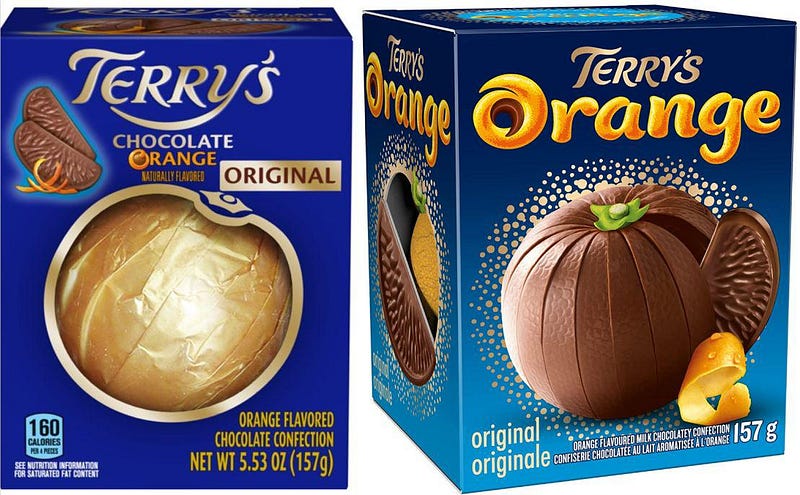
The left one says “Terry’s Chocolate Orange” while the right one says “Terry’s Orange”, suggesting that they can’t legally call it chocolate because they’ve replaced it with cheaper ingredients.
Here’s how it happens
Some guy at the corporate table said, “If we just shrink these potato chips by 10%, we can save $.02 per unit and expand quarterly revenue by .1%!”
When I did my MBA, these types of case studies were discussed constantly. I even took tests where I was asked to calculate revenue increases through “product downsizing” (shrinkflation).
I left that MBA program more distrustful of businesses than ever. I saw it under the hood.
You see it already with housing construction. In a rush to meet demand, many of these homes are built with cheap parts that are now aging like milk.
The takeaway
Be careful and inspect your products before buying.
Don’t sucker yourself into getting something that doesn’t hold up. It’s never been more true that “You get what you pay for.” If the product sucks, write a bad review. Hold the company accountable.
My verdict is that companies should increase prices rather than secretly change the product and misrepresent it as the same thing.
Be honest.
Stab us in the front.