
Should You Sell Growth Stocks in 2022?
Are the Fed, inflation, and other worries keeping you up at night?
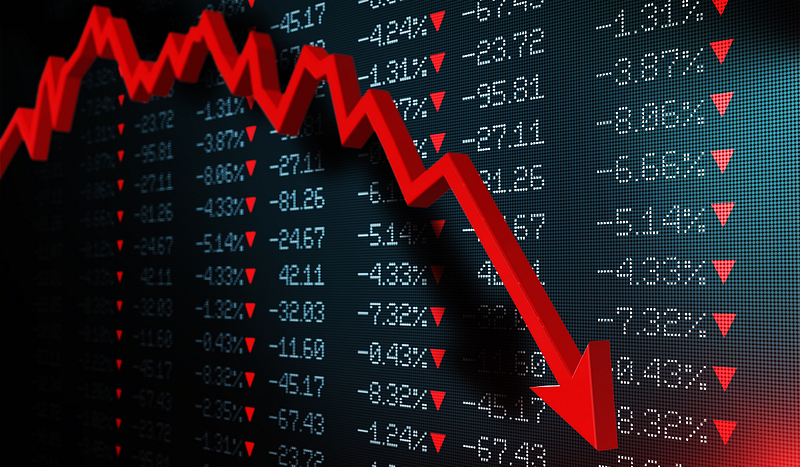
Many growth stocks nosedived in the first few days of 2022. Inflation, high valuations, and Fed rate hikes are the primary concerns. At around this time, investors often get jittery about their investments. They happily take on high risk, high rewards when things go their way. When the downsides show themselves, investors get tested.
My first rule for stock selling is never to panic sell. If you feel up in arms about selling, why didn’t you feel this way when growth stocks were double their current prices? Why didn’t you sell much earlier? Why right now?
I know the answer: you looked at the chart. You saw the line go down, and a green line became red. Then, it got worse. Anyone selling for this reason invested for the wrong reasons. Investors take on a long-term stance.
I never invest unless I can hold for several years. I’ve repeatedly mentioned this stuff doesn’t bother me. My expenses are low, and I’m increasing my income. I have great opportunities and time for stocks to return to their highs. I’d have a very different portfolio if I were living paycheck to paycheck. I’d probably take far fewer risks knowing I’d have to pull into the portfolio in case a $400 emergency expense came up. A lot of people can’t afford that.
People need to learn about money in elementary school instead of after they get out of college. I genuinely believe the system is flawed by design because too many financially literate people would create a problem for higher-ups. Less materialism and unconscious spending would hurt many brands. Who would go to overpriced colleges and mindlessly take on student loans as a recent high school graduate?
If you have a shorter time horizon, consider less risky assets. Retirees often lean towards dividend stocks for extra income. Younger people usually invest in growth stocks because time is on their side. Longer time horizons favor growth investing.
You should also consider your objectives. What do you want from your portfolio? What is your cost of living, and how can you lower it? Growth stocks don’t fit everyone’s objectives.
Some investors sprinkle options trading into the mix. I sell further out covered calls during times like these. I occasionally buy puts, but with minimal money. Buying options is sophisticated gambling. Under this definition, selling options makes you the house. You can lose either way, but that’s why investors assess risks. Options trading isn’t for everyone. Objectives and personal preferences play a role in that decision.
The most important questions during market uncertainty are the following:
#1: Did the company change (other than the stock price)? Sometimes a company reports bad news or disastrous earnings. Other times, a growth stock declines 20% on zero company news.
#2: Did I establish a new objective or prioritize different valuation metrics that changed my investing thesis? If you went from a P/S focus to a P/B focus, you might draw different conclusions from a week ago.
#3: If you sell, why didn’t you sell earlier? Asking yourself this question can help you spot future selling opportunities.
Be true to your investing thesis regardless of what the stock price does. If fundamentals or world news change, that’s different. However, be careful with the world news. The media will overhype everything, whether deserved or not.
Focus more on the company and if that company can navigate the challenges ahead. In the long term, a stock price primarily moves based on a company’s success.