
Should We Talk About The Weather?
Manuel Antonio, Costa Rica
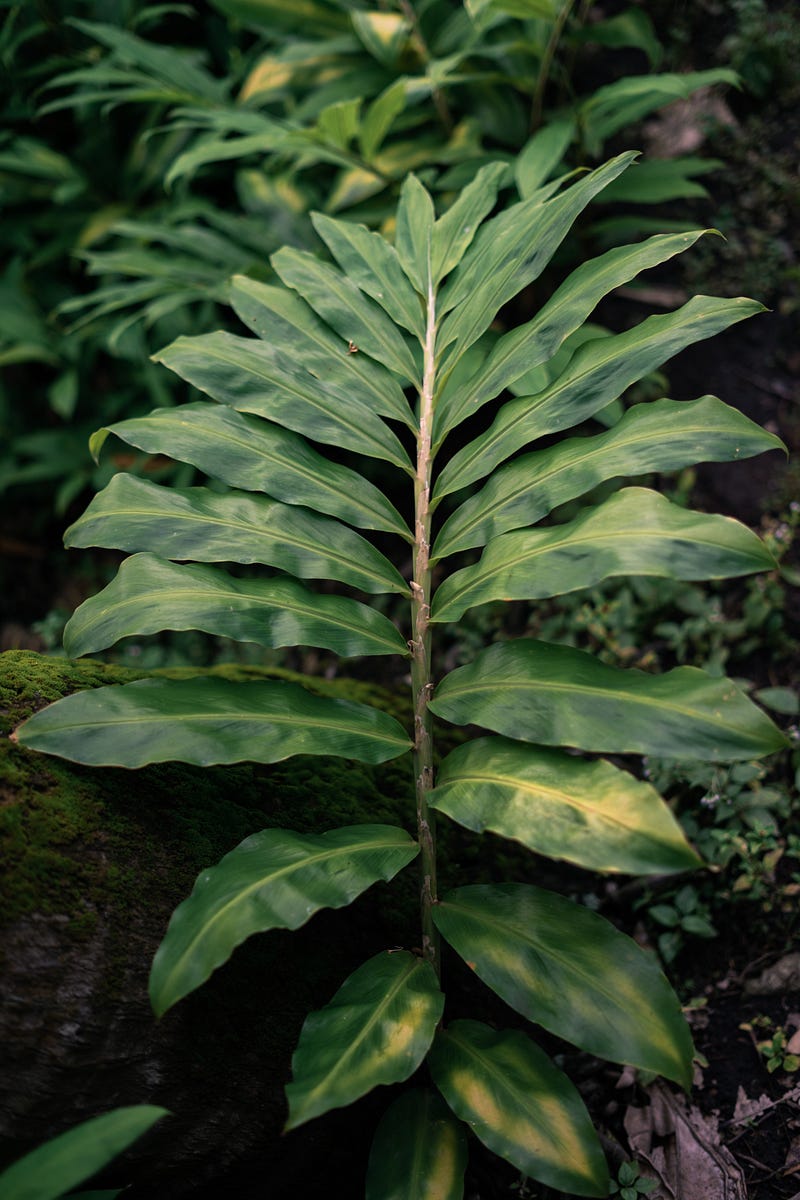
At about 9 degrees above the Equator, bordered on the East by the Caribbean Sea and the West by the Pacific Ocean, the climate in Costa Rica is tropical all year long. This generally means there is no snow, the temperature is hot and it rains a lot. The amount of rain is what determines what season it is.
Seven Regions, Twelve Microclimates, Two Seasons
Yeah, I know. I’m still wrapping my head around this too.
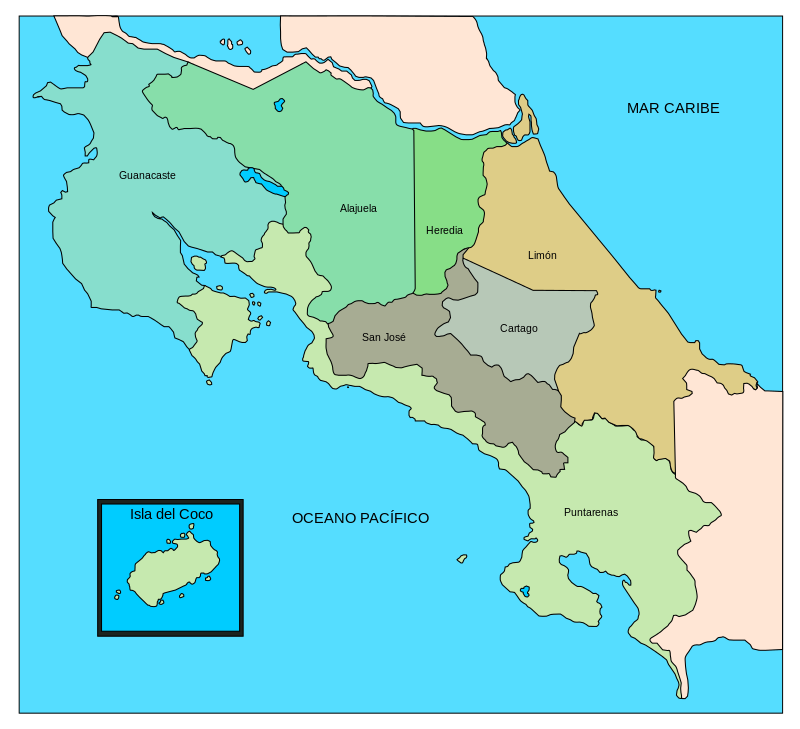
There are seven politically mapped regions in Costa Rica. They are as follows: Guanacaste, Puntarenas, Alajuela, Heredia, Limon, Cartago, and San Jose.
I’ve spent a lot of time in Guanacaste, Alajuela, and Puntarenas so I’ll comment on those.
Guanacaste — Tamarindo, Flamingo, Playa Del Coco, and Liberia are located here. Guanacaste is referred to as the Dry Forest, based on the amount of rain it gets. It’s hot and dry there. Excellent beaches, great surfing, and tons of activities can be easily found. All of Costa Rica has astounding wildlife but Guanacaste is probably third for me in this area following these next two.
Alajuela — Places like La Fortuna and Monteverde are in higher elevations and are referred to as Cloud Forests. The temperature here can be some of the coolest in the country sometimes not breaking 55 degrees in February…Amazing wildlife and geothermal wonders of the world can be found here too. In La Fortuna, we experienced hot springs, zip lining, and wildlife galore. Sloths, monkeys, coatis, and more!
Puntarenas — I don't know if gerrymandering is a thing in Costa Rica but Puntarenas makes it sure look that way. The region is very long and spans hundreds of miles of coastline. It’s much more humid and if you feel like you’re in the Rain Forest, it’s because you are. Places like Manuel Antonio, Quepos, and Jaco are here and out of all the other regions I’ve been to, this one (Manuel Antonio) is my favorite. It has it all.
No matter where you go in Costa Rica, there are basically just two seasons. The Rainy or “low” season goes from May through December and the Dry or “high” season ranges from December to April. October and November are the rainiest months but are also the cheapest months to travel there.
You can find great deals on hotels, villas, and condo rentals in the rainy season. If you do decide to travel during the rainy season though, my suggestion would be to plan activities in the morning and plan for rain in the afternoon. You can try to watch the weather but it seems like the forecasting here can be shoddier than in most places. I pay no attention to it.
We spent part of the rainy season in Manuel Antonio in 2022 and it rained just about every afternoon and every night. You can call this rain but it was more like buckets. At night there was a lot of thunder. It woke me from a dead sleep many times.
Power outages
Costa Rica is pretty infamous for this. Travelers should come here with a reliable flashlight. We lost power only once in the weeks we were here which is pretty good. Between the animals on the power lines and in the transformers, the huge invasive bamboo landing on lines, and the lighting, you can expect some short-term power outages.
With the high season, December through April, these months bookend the costliest time to travel to Costa Rica. Due to school and work, we generally travel in August, a month in which you can expect a lot of sunny mornings and a lot of rainy afternoons in Costa Rica. We try to get to the beach or do other activities in the morning so we can relax in either the killer sun or drowning rain in the afternoons.
The sun is a deadly laser
For most people, and kids especially, I’d recommend SPF-rated swim shirts and sunblock during the daylight hours. My oldest son’s shoulders burned so badly that his skin beaded up like melted cheese and slid right off when he tried to brush a fly off one of them. It was oozing some sort of fluid. I felt terrible for him. Gross and dangerous. If it became infected, we would have had a whole extra set of problems on our hands. Hopefully, the lesson my little “Hijo-Blanco” learned, will go far.
Sunrise… Sunset.
Another interesting thing about the sun in Costa Rica is that it sets early. In NY where we’re from, the sun is setting at about 8 pm in mid-August. In Quepos Costa Rica, it sets at 6 pm, all year round. In addition to the early sunset, there’s also no daylight savings time in Costa Rica. Because Costa Rica is in the Central Standard time zone, compared to New York, with no daylight savings time, it’s two hours earlier. As for sunrise, 5:30 am every day which is nice. Early to bed early to rise…you know. It makes for a well-balanced-feeling day.
Sometimes I take a little siesta in the afternoon. What the heck, I work hard most of the time… Interestingly, there is no widely accepted siesta in Costa Rica though it can be observed in some cases. Especially on days when the sun is heavy and the afternoons are the hottest, you can see laborers sleeping on job sites and businesses closing their doors in the early afternoon hours. For the most part, everything remains open though.
Depending on where you are in the country, the climate varies. Costa Rica is a country with many active volcanoes, and seismic activity like earthquakes and is home to huge expansive jungles. It’s always been humid when I’ve been here and I love it. If you’re not into hot and humid, maybe check out Portland…
Thank you for reading! I write about how I see the world through my husband/father/investor/headcase-shaded glasses. Please consider following me on Medium. Subscribe to receive an alert each time I publish.


