
Should We Stop Aging?
With recent medical advents growing closer to successfully reversing the aging process in humans altogether, growing old may no longer be a part of the human condition.
At the current pace, being elderly could be entirely relegated to the history books — perhaps even for some of you reading this article.
Every day, all of us age. However, in the not-so-distant future, this may not be the case.
The significance of slowing aging
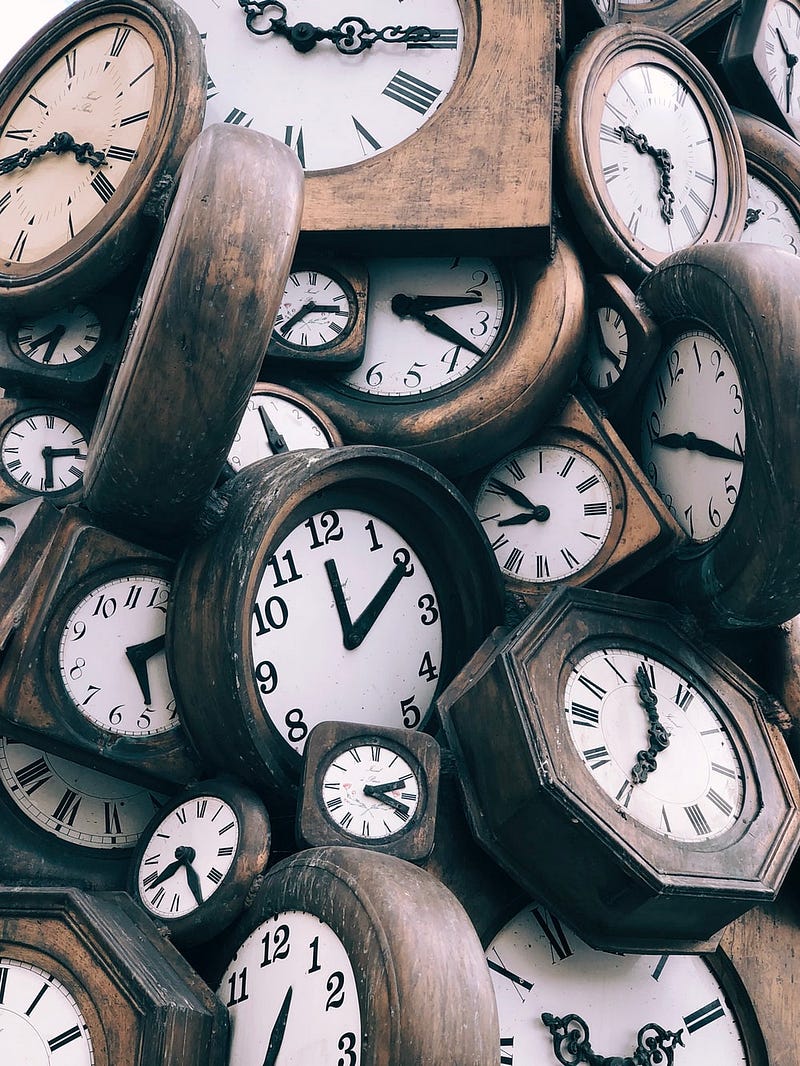
The World Health Organization (WHO) classified aging as one of humanity’s greatest causes of disease in 2018. This classification was aimed to shine a spotlight on a key pathogenic component of some of humanity’s most devastating diseases: the aging process. As our bodies grow old, age-related dysfunction culminates in differential expressions that are conducive to many of the world’s most frequent causes of death. In the United States, aging is associated with seven out of the ten top causes of death and is also linked with the exacerbation of another two. Consequently, aging should be included in the ICD-11 criteria of diseases.
By reversing the aging process, we would effectively be alleviating the suffering associated with more than 7/10 of the most prominent types of all-cause mortality here in the United States and across the globe. Furthermore, inhibiting the aging process would also indirectly cure hundreds of different diseases that progress alongside it.
Slowing or preventing the aging process would have the potential to save more lives than nearly any other medical intervention in human history.
What could happen to humanity if we reverse the aging process?
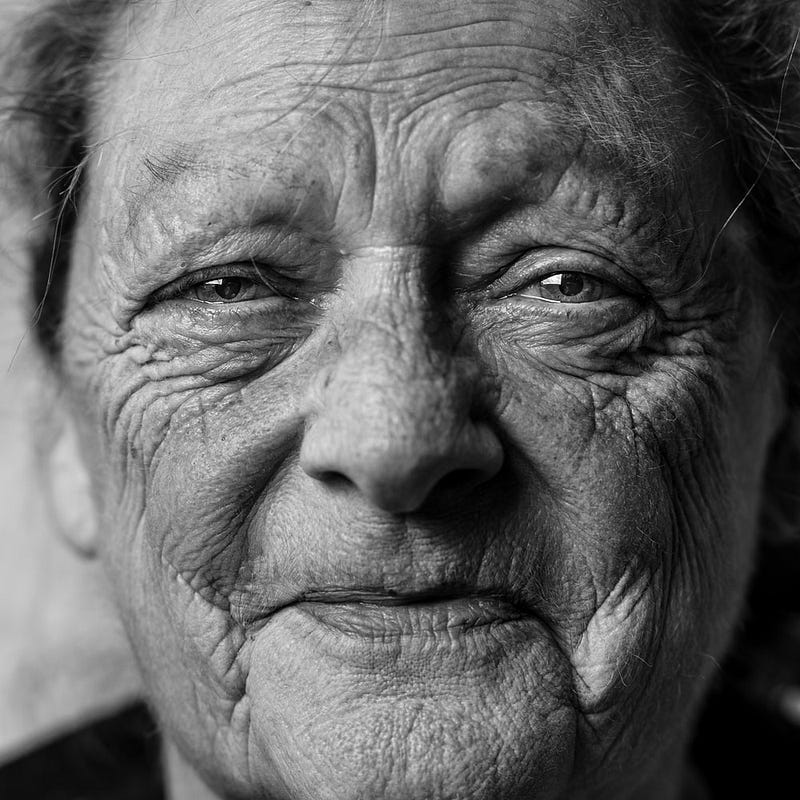
First and foremost, age-related death would no longer be viewed as a certainty. At the moment, we associate being alive with aging, as if the two somehow go hand in hand. Yet, there is, indeed, such a possibility of life without aging. In fact, our current acceptance of aging’s stranglehold on life does not necessarily stem from gospel truth. Just as our ancestors once associated the human condition with dying at thirty, food insecurity, endemic parasitic infections, and a lack of safe drinking water, we, too, associate human existence with a disease that is entirely preventable: aging. Over time, as this relationship between aging and all-cause mortality becomes further unraveled, it will become striking just how much more society is liberated from the constraint of time.
Age-related death is preventable. In this day and age, it can be a painful, long-winded process that often leaves both those afflicted and loved ones in pain. In the distant future, age-related mortality will not take place. Consequently, those who do experience death will be effectively safeguarded from some of modernity’s most harrowing diseases. Ailments such as Alzheimer’s Disease, cancer, and cardiovascular disease will be all but forgotten, age-associated causes of death from an era long gone.
Just as our ancestors viewed scurvy as normal, we view dying to preventable, age-associated ailments as a part of the human condition.

Concluding Thoughts
Aging is one of the most medically correlated risk factors to all-cause mortality, but it does not have to be that way forever. Growing elderly without the risk of death will happen one day sooner rather than later. When such does take place, we would have effectively ameliorated the vast majority of the globe’s most prominent chronic illnesses. By effectively slowing down or inhibiting the aging process, quality of life for us all has the potential to exponentially increase. Time does not necessarily have to be such a finite resource in the context of our lifespans, which would in turn free more opportunities for us all to learn, grow, develop, and thrive.


