
EDUCATION
Should We Reduce Our Lesson Time?
Making teachers the modern-day content creator
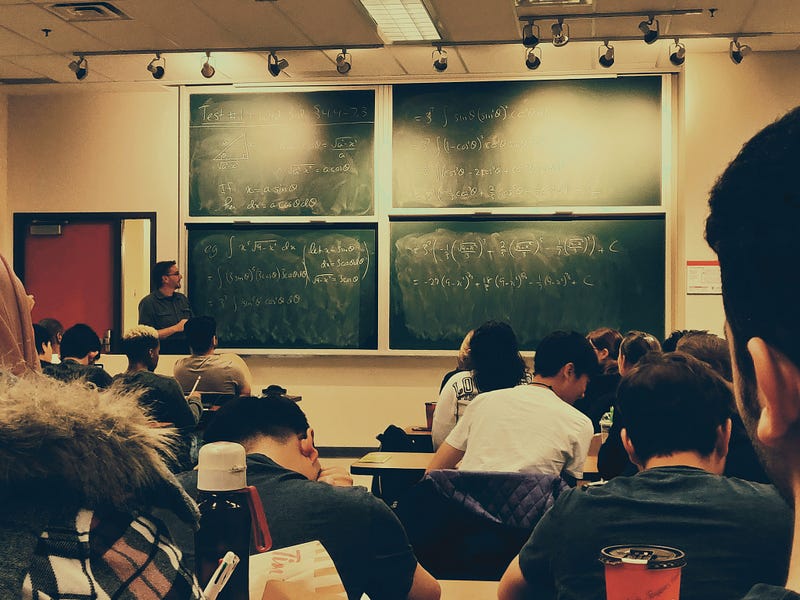
Here in the UK, we are fast approaching the summer holidays. With only one month and a bit left, the summer holidays are a great time to reflect on some changes you could make.
As a student, I had the opportunity to experience many types of lesson lengths. One hour, two hours, and 50 minutes are the main three. But I was also able to get lessons that were in between those periods too.
It was interesting to see the different styles the teachers took, knowing the time they had. And unfortunately, the longer lessons always appeared to drag on. And that was because they did.
The teachers took a long time completing the register and often spent a bit more time going through examples. As I look forward to the summer holidays, I have already started pondering if lesson time is too long. And that is not just because of my experience, but also due to the shift in society.
Long-form content, unless incredibly entertaining, is becoming less consumed. My friend is a huge movie fan, and not too long ago, he told me something that worried him. He said whilst watching a film, he switched it off and decided to scroll through Instagram.
For him, this was something to self-reflect on. He used to enjoy criticizing the acting, and he especially liked watching long films. Even if they were boring, he would leave opinions on why the film did not do so well in film reviews and so forth.
But he realized that his attention span is starting to dwindle, making it harder for him to watch movies. According to research, over the past 15 years, our attention span has seen a massive drop. Currently, the attention span of an average human is around 8 seconds! Far less thinking about children!
Unfortunately, the world is going through an attention span decline. Content creators are encouraged to grab their audience within the first 3–5 seconds to keep their audience watching.
I do not know about you, but I tend to skip over one-hour videos on YouTube, and so do your students, more than likely. So, what makes you think people want to sit in a one-hour lesson?
If it is not possible to shorten our lessons, we can employ some of the tactics of our favorite content creators.
So, here is a two-step method to begin making lesson time feel shorter.
Plan for Less Time
We get accustomed to teaching for the set time because it is mandatory. If we do not keep the students for the required time, they will have nowhere to go and probably play around. However, planning to stretch out thirty minutes' worth of content to an hour reduces the quality of the delivery.
For example, you may find yourself engaged at the beginning of someone’s YouTube video because they are hitting all the points you need. Then about halfway in, they start telling you a story or start drifting off-topic. At that point, you probably leave the video or fast forward.
It is essential, to be honest with yourself. Look over every single one of your lessons plan and ask this:
“If someone gave me twenty minutes to deliver this lesson, could I?”
Then continue to increase the time frame to an hour. If you say yes to any time before an hour, you have some work to do.
Start with evaluating why a thirty-minute lesson/concept is taking you a full hour to get across to your students. Are you taking longer on the register? Do you have videos to show your students that are uninspiring but take up time? These questions are vital to begin seeing a change in engagement.
Then you can plan your lesson for the time you believe you need. You will find yourself cutting things out and even finding things you should be highlighting.
Focus On Quality of Delivery
Despite the attention span getting shorter, good-quality content will keep people engaged. The average viewer on Netflix watched 3.2 hours of streaming video per day in 2020. That tells us that we still enjoy binging through content that is of good quality.
Once you have got rid of the extra quantity you do not need, you can now focus on quality. We are often disengaged by how things are presented, not what is being said.
I find it interesting that fun science and history videos are amongst some of the most viewed on YouTube. Before, a lot of content was just funny clips of random things. But now, people go on youtube to learn new skills and absorb interesting content that makes them think.
For example, my uncle does not need to watch Jordan Peterson videos. He is a chef who cares little about philosophy or psychology. But to my amazement, he spent a 2 hour trip with me talking about some of the lectures he has watched by Peterson.
How you use those 30–40 minutes to present your content to the class is vital. Focus on how to improve the PowerPoint slides and what you want to say. See your lessons as a pitch for a business idea that you want your students to invest in. Take time out to make your lesson the best it can be.
You may gain some more ideas on presenting a lesson by reading my article on the joy of learning below:
What Happens if I Still Have Time Left Over?
You may finish your lesson with 15–20 minutes to spare. But this would be a great time to spark some conversation with your students and give them a little break.
Maybe ask them what their plans are for the weekend or how things are going in other subjects. It is better to do this than take twenty minutes of their time presenting content they will probably forget.
Most of the time, students are restless towards the end of a lesson anyway. So, unfortunately, most of the things said goes in one ear and come out the other. It is better to use this time to connect with the students and give them a break from their busy schedules.
You may even find students have further comments and questions after a good quality lesson.
As the content being consumed by everyone in the world is changing, education must not be left behind. So, challenge yourself to this task for the summer break.
If you enjoyed this read, you never have to miss another great read from me again. By subscribing to my blog here, you can be notified of my five best-performing articles every month through my newsletter.


