
Should We Photograph The Homeless?
It all comes down to intention.
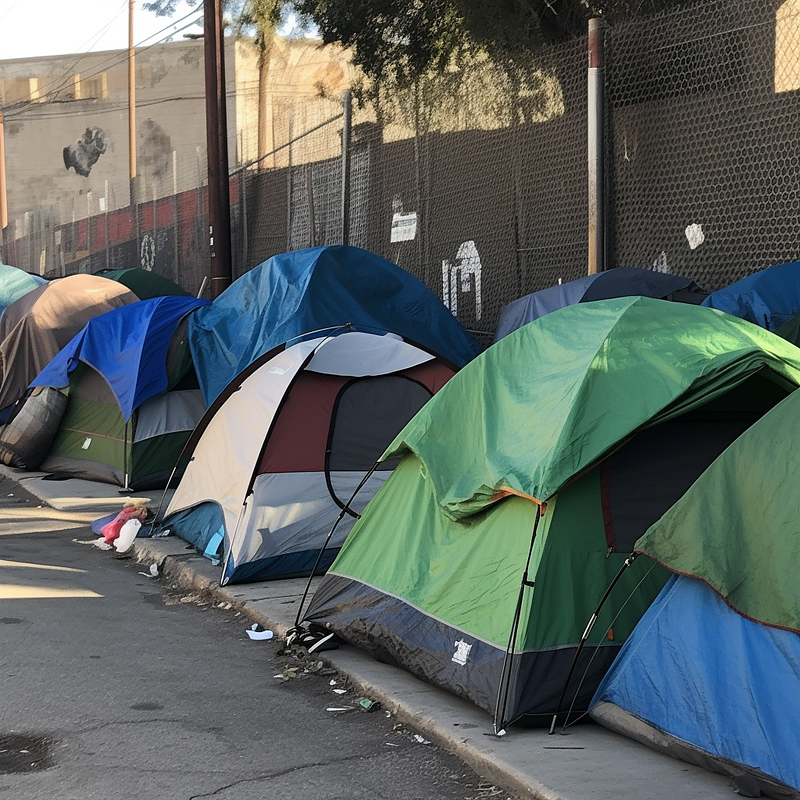
Recently, I was in an online discussion that contained images of a homeless person — albeit only their foot was showing, as well as their various limited belongings.
The person who posted the photos intended to show the neglect of the city at large (and they also checked on the person and called for help.) But at least one person took exception — they argued the photographer should have sought permission to photograph it, as it’s essentially someone’s home. Their argument was not being made from a legal perspective, but rather from an ethical one.
My reaction was to argue that homeless people are largely invisible, and if no pictures were ever taken of them, then people might not think about the problem as much. I said we should actually thank the photographer, not chastise them. The conversation spiraled a bit, and to be honest, I unfollowed it, as I didn’t want to get caught in an endless loop.
But the exchange does open the door to a bigger conversation about photographing the vulnerable. I don’t completely disagree with the person who argued against it in the online thread. But what it comes down to for me is intention.
Reasons For Photographing The Vulnerable
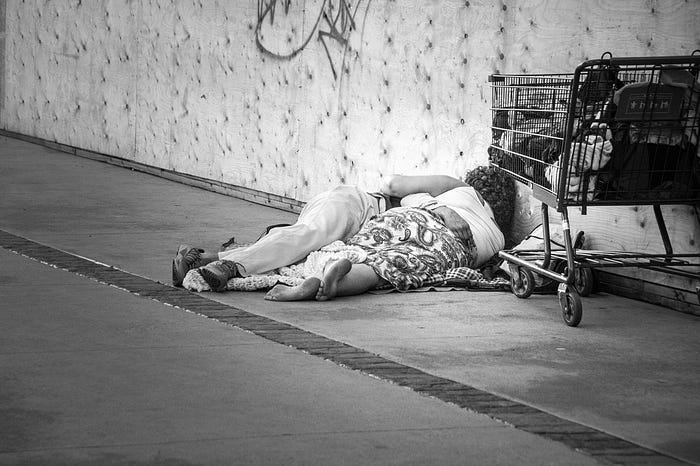
When I’m out street shooting — while not nearly as often as I used to — I usually come across someone who could be considered vulnerable, whether they’re sleeping on the sidewalk or collecting change. While I don’t make a point of photographing them, I have on occasion for a couple of reasons.
One is to show that they are people, and they are still worthy of a photo. Usually, when I decide to take a photo of someone who asks for change or is carrying their life on their back, I talk to them first (with a couple of exceptions, which I will get to.) I get a sense of whether they’re OK, and if they’re mentally sound. Many of them are not only mentally sound, but impart wisdom on me that resonates deeply.
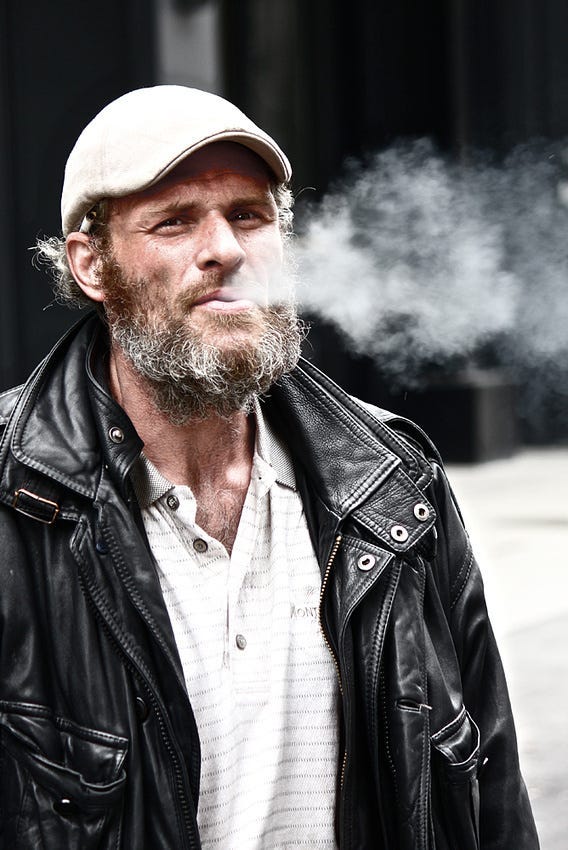
It’s after a brief exchange (and sometimes a longer one) that I ask them for a portrait. Usually, they jump at the chance, as they feel someone is paying attention to them. I also usually offer them a bit of money or — on occasion — I will take them for a meal. They don’t have to agree to a photo for me to help them out a bit either.
But other times, I have seen the vulnerable purely as something beautiful to capture from an artistic perspective. Like many of my street photos, there’s no option to go and “ask” without losing the moment. Or perhaps I stop them as they’re walking with their guitar for a quick portrait.
One of the best examples of “artistic” photos of the homeless is by Leah Denbok, who travels with her father to collect stories from those on the street. But even more poignant are the images she collects of them, which are strikingly beautiful. I have seen larger-scale prints on display at festivals, but she also sells books of the photos and gives proceeds to various charities. As she says on her website, “apart from the unfortunate circumstances in which these people find themselves, they are no different than you and I.”
I tend to agree. We don’t know what led people to live on the streets, but they are as human as anyone else.
I’ve had a few experiences involving people on the street actually asking me to take a photo of them, just because they see me strolling by with my camera. I often oblige, and in some cases, they don’t ask for anything in exchange. But whether they do or not, I try to offer up something.
Reasons To Avoid Photographing The Vulnerable
It should probably go without saying that taking photos of the homeless to degrade them is not acceptable, but I have seen photos that contain a vulnerable person and a caption that’s less than favorable — sometimes in an effort to be “funny.”
In fact, that’s my philosophy for all street photography: if your goal is purely to make fun of someone, then you shouldn’t have taken that photo (or at least not published it.)
Another instance where I would hesitate to photograph a homeless person is if they are showing signs of mental illness or substance abuse. Unless I have a good reason to take the photograph, I usually don’t, because in my mind the person would not be of sound mind to grant me “consent” had I asked for it.
Luckily for me, I have not come across many minors on their own on the streets, but if I did, I would likely not photograph them for their own protection.
What’s Your Take?
Where do you stand on whether one should/should not photograph the vulnerable, and what are your reasons? I am genuinely curious as to people’s opinions on the matter.
Remember, the next time you’re out shooting and see someone who likely falls into the vulnerable category, consider your intention for the photo — is it to help build awareness or for artistic purposes? Then I say go for it.
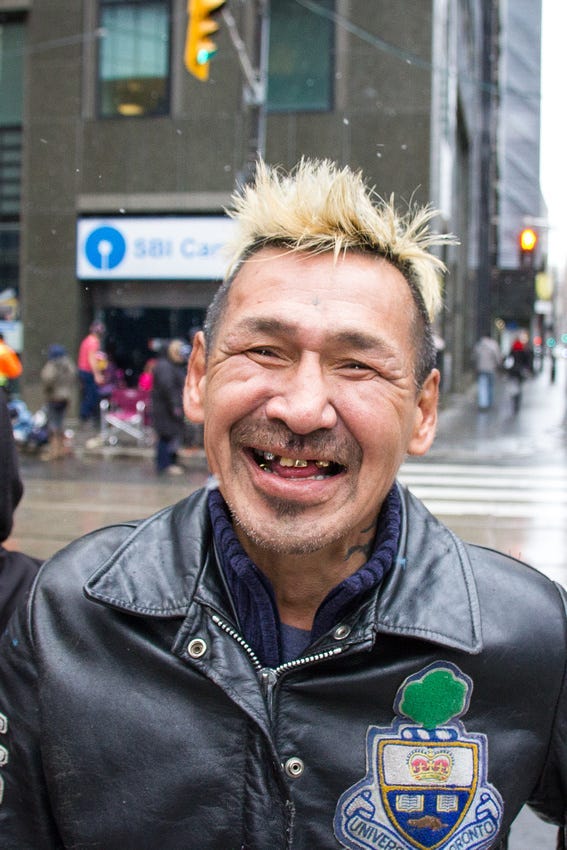
*Disclaimer: I do not know for sure that the subjects presented in the photos are homeless by definition. They either asked me for cash or food, or I offered it up to them due to their situation, which may have changed since the image was taken.


