avatarEdward John

Free AI web copilot to create summaries, insights and extended knowledge, download it at here

1866

Abstract

ger broadcasting such an episode, it reduces the chances of young people learning that word.</p><h1 id="8fc4">Why we should NOT cancel offensive old TV shows</h1><p id="db25">Any intelligent adult who watches the Germans episode of Fawlty Towers knows that the N-word is offensive. Almost no adult viewers will watch it and go, “Ahh, that’s a fun word! I’m going to start saying that to everyone as much as possible from now on!”</p><p id="305a">Even back in the 1970s, when this episode was first broadcast, it was clear that the Major was a racist old nuisance who probably had dementia.</p><p id="c23f">There are various better alternatives to removing the episode:</p><ul><li>Overdubbing it with a less offensive word</li><li>Cutting the scene</li><li>Having a warning message at the beginning of the episode</li></ul><p id="b204">There is also a point to be made about good parenting. If your child watches this episode and then you hear them use the N-word, make it clear to them that it’s unacceptable.</p><h1 id="c5e7">Saying “the N-word” instead of actually saying the word</h1><p id="c95e">One thing does irritate me a bit about this. When I say “the N-word”, you know exactly what word I’m referring to. The actual word still appears in your mind, so I’m not protecting your mind from the word.</p><p id="465a">By avoiding saying the actual word, we’re only protecting people who’ve never heard the word before. But then they will be curious about what the N-word is, and they’ll find out anyway.</p><p id="d8cd">Also, what if young people start saying things like “Get out of my way you fucking N-word!”? Eventually, “N-word” would become the offensive word. It’s similar to how words like <i>spastic</i>, <i>handicapped,</i> and <i>retard</i> stopped being used in favor of less offensive terms like “special needs” or “learning difficulties”. If I told

Options

you you had special needs or learning difficulties, you’d still be offended, right? It’s the meaning behind the words that’s important.</p><h1 id="2c18">The constantly evolving sense of what’s considered offensive</h1><p id="0799">For many things, there is no permanent sense of offensive and non-offensive. Attitudes and customs changes over time, and also differ depending on where you are in the world. For example, the Japanese consider tipping to be offensive, but in the United States, it’s compulsory. Here in the United Kingdom, it’s neither.</p><p id="c259">Not too long ago, homosexuality was a crime, but wearing blackface in theatrical performances was considered acceptable. These days it’s the other way around — being homophobic or wearing blackface would be considered worse than, I don’t know, taking a shit in the middle of a shopping mall.</p><p id="3134">I feel like we should keep everything intact as historical documents showing how much society has changed. After all, many things we’re all happily doing right now will be considered offensive with future hindsight.</p><p id="59f8">What do you think?</p><p id="d512">More from me…</p><ul><li><a href="https://readmedium.com/im-offended-is-the-quickest-way-to-shut-down-an-important-conversation-58e28edc4189">“I’m Offended” is the Quickest Way to Shut Down An Important Conversation</a></li><li><a href="https://readmedium.com/why-is-alcohol-an-accepted-part-of-society-58bb9bebdfef">Why is Alcohol an Accepted Part of Society?</a></li><li><a href="https://readmedium.com/have-we-gotten-too-used-to-having-news-and-entertainment-for-free-5b09d3f606bb">Have We Gotten Too Used to Having News and Entertainment for Free?</a></li><li><a href="https://edward-john.medium.com/membership">Join Medium to Read Unlimited Articles Per Month or Publish Your Own Articles</a></li></ul></article></body>

Should We Cancel Offensive Old TV Shows (e.g. Fawlty Towers “N-word” Episode)?

The constantly evolving sense of what’s considered offensive
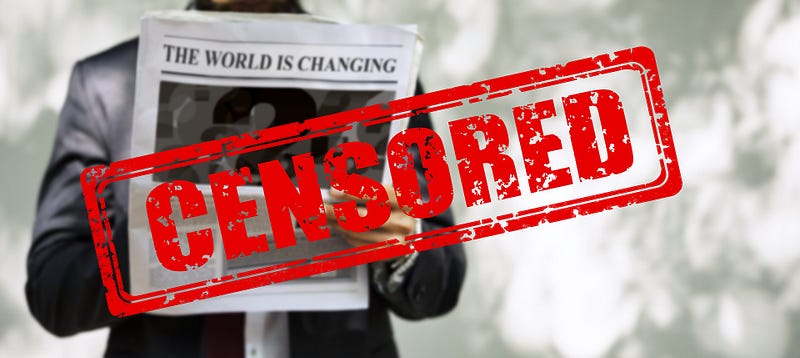
Image by Gerd Altmann from Pixabay

Don’t mention the war! Or the n******!

Last year, an episode of the classic British sitcom Fawlty Towers was removed from the BBC website. It was the Germans episode, and when I first heard it had been removed I assumed it was because of the ridiculous Hitler impersonation and all the “don’t mention the war” talk.

But it was actually because the Major, a senile elderly hotel guest, used the N-word.

So, should that episode have been removed? Should we cancel old TV shows because they are now deemed offensive? Here I will put forward both sides of the argument and let you make up your own mind.

Why we SHOULD cancel offensive old TV shows

There are certain uses of language we don’t want young people to use. I don’t mean the word fuck, because everyone uses that and it’s not specifically offensive to any particular group of people.

I’m talking about the N-word. Since it is extremely offensive to certain people, we don’t want anyone to be getting into the habit of using it. Eventually, they will say it to the wrong person and things could get dangerous.

By no longer broadcasting such an episode, it reduces the chances of young people learning that word.

Why we should NOT cancel offensive old TV shows

Any intelligent adult who watches the Germans episode of Fawlty Towers knows that the N-word is offensive. Almost no adult viewers will watch it and go, “Ahh, that’s a fun word! I’m going to start saying that to everyone as much as possible from now on!”

Even back in the 1970s, when this episode was first broadcast, it was clear that the Major was a racist old nuisance who probably had dementia.

There are various better alternatives to removing the episode:

  • Overdubbing it with a less offensive word
  • Cutting the scene
  • Having a warning message at the beginning of the episode

There is also a point to be made about good parenting. If your child watches this episode and then you hear them use the N-word, make it clear to them that it’s unacceptable.

Saying “the N-word” instead of actually saying the word

One thing does irritate me a bit about this. When I say “the N-word”, you know exactly what word I’m referring to. The actual word still appears in your mind, so I’m not protecting your mind from the word.

By avoiding saying the actual word, we’re only protecting people who’ve never heard the word before. But then they will be curious about what the N-word is, and they’ll find out anyway.

Also, what if young people start saying things like “Get out of my way you fucking N-word!”? Eventually, “N-word” would become the offensive word. It’s similar to how words like spastic, handicapped, and retard stopped being used in favor of less offensive terms like “special needs” or “learning difficulties”. If I told you you had special needs or learning difficulties, you’d still be offended, right? It’s the meaning behind the words that’s important.

The constantly evolving sense of what’s considered offensive

For many things, there is no permanent sense of offensive and non-offensive. Attitudes and customs changes over time, and also differ depending on where you are in the world. For example, the Japanese consider tipping to be offensive, but in the United States, it’s compulsory. Here in the United Kingdom, it’s neither.

Not too long ago, homosexuality was a crime, but wearing blackface in theatrical performances was considered acceptable. These days it’s the other way around — being homophobic or wearing blackface would be considered worse than, I don’t know, taking a shit in the middle of a shopping mall.

I feel like we should keep everything intact as historical documents showing how much society has changed. After all, many things we’re all happily doing right now will be considered offensive with future hindsight.

What do you think?

More from me…

Philosophy
Censorship
Television
N Word
Offence
Recommended from ReadMedium