
Should We Bring Grandma With Dementia to the Wedding?
Some questions don’t have easy answers
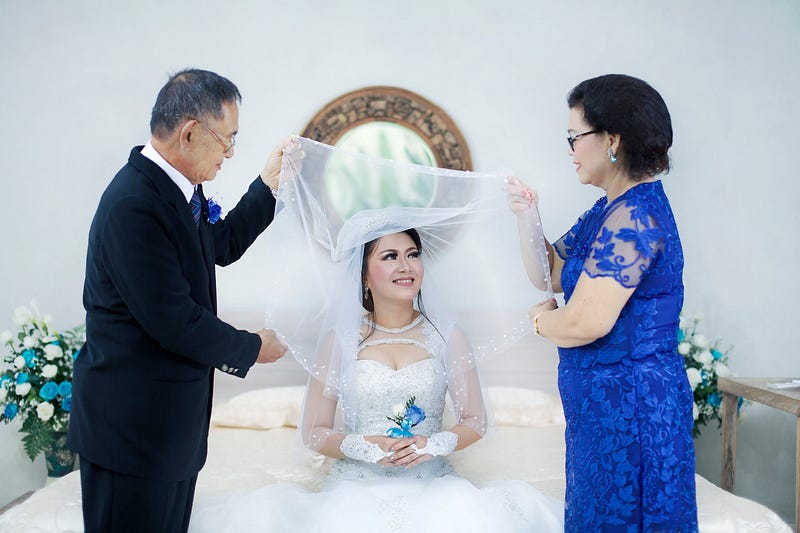
Venue? Check. Flowers? Check. DJ, officiant, caterer, cake, invites, dresses? Check, check, check, check, check, check. Grandma?…..
What do we do about grandma? If she’s having a good day and can handle all the travel, it could be one of her last big family moments. Wouldn’t it be great to have her in the photos?
But what if it’s a bad day? What if dealing with his mom keeps my spouse from being present at and enjoying our daughter’s wedding? What if taking her away from the familiar causes a meltdown she never fully recovers from?
Forget the should; we haven’t even solved the how. No family member can bring her. The wedding is 400 miles away from her home. She’s scared of flying. She’d have to stay in an unfamiliar hotel for two nights. Can she cope? Can we?
How much would it cost to pay someone to travel with her and care for her during the wedding? How do we say it’s too expensive to bring grandma when we are dropping ridiculous sums on every other detail despite our best efforts to keep things in check?
Can we find someone we trust even if we’re able to pay? She doesn’t have a caregiver she likes and doesn’t think she needs any oversight. What if she refuses to allow the paid person to help her? She could stage a sit-down strike at a rest area on the Pennsylvania Turnpike.
But how do you say no to a grandma who loves socializing and wants to be at her eldest granddaughter’s wedding? Do I say, sorry love, to my daughter who wants Grandma there for her big day?
The Mt. Fuji Scenario
“This feels like a Mt. Fuji situation,” I tell my husband. We sit at the table eating leftovers and recycling the same conversation that peppers most of our dinners these days — what to do about Grandma and the wedding.
When we decided to climb Fuji as a family, we envisioned a best-case scenario. Can we do this? We asked and agreed that if everything went well, we’d be fine.
When the wheels started falling off our plan, we pulled out the metaphorical duct tape and kept going. The kids started begging to turn around, but we didn’t listen. We reached the top and had no energy to get back down. We headed down, anyway, in a hurry to catch the last bus back to our car.
We ran out of water, one of the kids started hallucinating from dehydration, and we could have died or suffered a serious injury on a mountain no one was making us climb.
It’s easy to envision a scenario where bringing grandma to the wedding is great, a struggle worth the effort. But it requires everything to fall into place perfectly. What if we start the journey and the mountain is more than we can handle?
Crowdsourcing the question
We can’t be the only ones with this dilemma. I turn to internet forums for answers. I don’t need to post the question myself, as many have walked this road before me. Opinions abound.
DO IT! It will mean the world to her, and years from now, you’ll be so glad grandma was there.
DON’T DO IT! It will only overwhelm the poor dear, and you’ll be so busy caring for her that you can’t enjoy the wedding yourself.
There’s a common thread to the comments. If someone brought their parent with dementia to a wedding and it went well, they are pro grandma’s presence. Those with bad experiences advise against it. It’s easy to see the correct answer after you’ve already thrown the dice.
Still, there is a treasure trove of good advice on how to choose, and what can increase the odds of success.
How to decide?
Ultimately, says the aggregated wisdom of the forum, the question boils down to what is best for the elderly person, the bride and groom, and the parents. Any of these three have veto power.
Don’t drag Grandma to the wedding if she isn’t likely to enjoy it. Assess where the person is now, not how much they might have wanted to be part of things in their better years. Will the crowds overwhelm her? How is she coping with outings in general these days?
For someone with dementia, new places can be very stressful. Add in a bunch of people coming up to them and saying things like, “Hi, Aunt Ethyl. Remember me?” Anxiety exacerbates dementia, and setbacks have a way of becoming permanent.
How do the bride and groom feel? Don’t try to talk a reasonable couple into a situation that could disrupt the wedding. You don’t have to be a bridezilla to want your mother or father’s attention on your special day.
Yes, someday soon Grandma will be gone but this cuts both ways. If you pour all of yourself into the care of your parent how healthy will your other relationships be when she passes?
And finally, don’t neglect your own needs and wants. Losing a parent to dementia is a long, treacherous road. For almost everyone, the need eventually outstrips your ability to give. It’s okay to prioritize yourself sometimes.
Steps to success if you say I do
Pay someone to be in charge of Grandma. Ideally, someone who is already a familiar and trusted caregiver. Family seems like a great idea, after all, they are coming to the wedding anyway, but the forums are full of family members letting people down.
Cousin Suzie might really enjoy her weekly cup of tea and half-hour visit with Grandma but is she ready, willing, and able to take Grandma home mid-ceremony if necessary? Can she help Grandma to use the toilet while both of them are wearing a fancy dress? Will she be able to keep Grandma from demanding your attention at inappropriate times?
Caring for someone with dementia is challenging. Now is not the time for volunteer learning on-the-job labor.
If travel is involved do a trial run with conditions as close to the wedding as possible.
Consider having Grandma there for only part of the event. One bride invited Grandma to have her hair and makeup done with the bridesmaids. They took a photo together and then Grandma went for a nap making a brief appearance hours later to watch the dancing at the reception.
Think through possible complications and have a backup plan. Have someone other than parents and the wedding party for the caregiver to go to for help if necessary. Expect the unexpected.
Creative ideas if you say I don’t
If Grandma can’t come to the wedding, maybe the wedding can come to Grandma.
Live stream so grandma can watch from the comfort of home in real time. If grandma is social you could arrange a watch party with her friends.
If the bride and groom are able they could visit Grandma later wearing their wedding outfits. One couple even staged a reenactment just for Grandma and her friends.
Most senior living facilities are looking for fun activities for their residents. Maybe they will work with you to stage a live-stream watch party or mini-wedding reception later with the bride and groom.
Another couple gave Grandma a video of the wedding she’d missed which she watched over and over. Soon she was telling all her friends details of the wedding she had attended and even about her precious moment dancing with the groom.
Pro-tip: you don’t need to hire an expensive videographer with fancy post production. Often a live stream is cheaper and you’ll get a copy at the end. A less polished video more closely mimics being there in person straining to look around the hat of the person in front of you to see the bride.
Cousin Jerome with his iPhone will do if that’s what you can afford. Sometimes it is the thought that counts and the thought here is Grandma is loved and included one way or the other.
Do I or don’t I?
Is Grandma coming to my daughter’s wedding? For one grandma the answer is clear. She can’t handle the travel. Instead, she’ll watch the livestream with my niece.
But the other grandma? There’s no obvious answer. We’re still trying to work logistics to get her safely to the wedding with a decent chance of enjoyment for all.
It feels like an epic climb. Am I glad I dragged my family up and down Mt. Fuji despite everything? Yes, we have an excellent story to tell and the memory of overcoming odds together.
But my answer would be different if our Fuji fiasco didn’t have a happy ending.
Do we drag Grandma up wedding mountain? If we reach the summit and safely descend it will be a triumph worth celebrating, a precious memory for all of us. But what if we get stuck halfway up? Or injured in the descent?Is the climb too risky given our physical and mental condition?
When do you throw caution to the wind and go for it and when do you play it safe?
I don’t know. Dealing with dementia defies easy answers.
I’m a middle-aged woman navigating a memory-muddled mom and recently grown and gone children. Click here to read all my stories about aging parents, empty nesting, and aging.