avatarScienceDuuude

Free AI web copilot to create summaries, insights and extended knowledge, download it at here

6874

Abstract

">Pfizer/BioNTech and Moderna vaccines</a> get around this by <a href="https://www.sciencedirect.com/science/article/pii/S1525001616326818">modifying the nucleosides</a>, the letters of the genetic code in RNA, so our immune cells and enzymes ignore the vaccine.</p><p id="6c65">We can’t over-emphasize the importance of this modified nucleoside technology for these new RNA vaccines. Using pseudouridine in mRNA to bypass the immune system was a critical discovery made by a Hungarian biochemist named <a href="https://en.wikipedia.org/wiki/Katalin_Karik%C3%B3">Katalin Kariko</a>. Kariko was ignored for decades as she tried to convince the biology and medical community that mRNAs can be used for drugs including vaccines. Her discovery of using modified nucleosides was the linchpin for today’s mRNA vaccines and was <a href="https://www.sciencedirect.com/science/article/pii/S1525001616326818">published in 2008</a>. She is now a senior vice president at BioNTech.</p><p id="21c0">Both mRNA vaccines only encode a single protein, not the entire virus, so there is no possibility of an accidental infection from this vaccine. Fascinating viruses called <a href="https://www.ncbi.nlm.nih.gov/pmc/articles/PMC1079666/">retroviruses</a> can insert themselves into the host’s genome, and thousands of copies of both active and inactive viruses are embedded in our DNA. HIV is a well-known example of a retrovirus. The SARS-CoV-2 virus is not a retrovirus. And since this vaccine does not encode an entire virus, there is no way for the mRNA to change our DNA, as some rumors falsely suggest.</p><p id="6342">Both vaccines encapsulate the mRNA in what is called a <a href="https://www.sciencedirect.com/science/article/pii/S0168365915300535">lipid-nanoparticle</a> (LNP). LNP protect the mRNA, and to help deliver the mRNA into the cells.</p><p id="6420">Earlier this year, Pfizer/BioBTech’s BNT162b2 passed a Phase I study (published <a href="https://www.nejm.org/doi/full/10.1056/NEJMoa2027906">here</a>) which showed the preliminary safety of delivering two 30-microgram doses of BNT162b2 to healthy adult men and women in Germany and the U.S.</p><p id="69b7">Moderna’s mRNA-1273 similarly passed their Phase I study (published <a href="https://www.nejm.org/doi/full/10.1056/nejmoa2022483">here</a>), which showed the preliminary safety of two doses of either 25, 100, or 250 micrograms.</p><p id="3dc9">The Phase I study examined the vaccine’s safety and immunogenicity (the ability of the drug to precisely activate the immune system against SARS-CoV-2). Passing that the first trial let both companies progress to the final Phase II/III trial.</p><h1 id="3739">4. The Phase II/III study designs…</h1><p id="eb54">The phases of a drug clinical trial are explained on the FDA’s website <a href="https://www.fda.gov/patients/drug-development-process/step-3-clinical-research">here</a>. The bite-sized summary of clinical trials is:</p><ul><li>Phase I — about a hundred healthy or sick volunteers who are studied for a few months to determine the safety and the appropriate dose of the drug</li><li>Phase II — a couple of hundred sick volunteers who are studied for months to a couple of years to determine the effectiveness and side effects of the drug</li><li>Phase III — thousands of sick volunteers who are studied for up to four years to determine the effectiveness and to learn about adverse reactions to the drug</li></ul><p id="3c50">In order to expedite the study in our current pandemic, Phase II and III were run in tandem.</p><p id="7743">Both Pfizer/BioNTech and Moderna’s Phase II/III studies used a similar overall study design, called a randomized, double-blind, placebo-controlled clinical study — the gold standard:</p><ul><li>randomized the study participants into equal-sized groups</li><li>placebo-controlled (meaning half of the participants got an ineffective substitute, the placebo, while the other half got the vaccine)</li><li>double-blinded (meaning neither the participants nor the study staff knew which patients were given the vaccine or placebo).</li></ul><p id="a121">Randomization is essential to make sure the two treatment groups, the vaccine group and the placebo group, are as similar as possible. That we are comparing “apples to apples”.</p><p id="cf11">A placebo shows that the vaccine is indeed better than doing nothing. A good scientific clinical study always compares the drug of interest to a placebo (or some other well-characterized drug), also called a control.</p><p id="20e1">Blinding the study means there is no way for either the volunteers or the study staff to intentionally or unintentionally bias the study (such as putting healthier people in the vaccine group and putting sicker people in the placebo group, falsely making the vaccine look better than it is).</p><p id="49bd">And finally, a large sample size ensures that the results of the clinical study are real and not just from pure chance, like getting lucky and flipping heads five times in a row.</p><p id="d119">In the Pfizer/BioNTech study, a total of 43,448 people took part in the clinical trial and were injected with either the vaccine or the placebo. A web-based app randomly assigned each patient to receive either the drug or the placebo.</p><p id="2aa1">In the Moderna study, a total of 30,420 people took part and were randomized into two equal groups receiving two doses of either the vaccine or placebo. A “centralized interactive response technology system” randomized and assigned participants into each group.</p><p id="9de3">Here’s a detailed breakdown of each study’s participants, shown in the next two tables in case you want to see the statistics on your particular sub-group.</p><h2 id="a9b3">Pfizer/BioNTech Study Demographics</h2><figure id="2e88"><img src="https://cdn-images-1.readmedium.com/v2/resize:fit:800/1*QxaEOn2Q5bIVXhRY68mFBQ.jpeg"><figcaption>Table 1 from paper summarizing the Pfizer/BioNTech study demographics (image from <a href="https://www.nejm.org/doi/full/10.1056/NEJMoa2034577">Polack et al, 2020</a>)</figcaption></figure><h2 id="ef8a">Moderna Study Demographics</h2><figure id="44f9"><img src="https://cdn-images-1.readmedium.com/v2/resize:fit:800/1*rM7IIxJWB_RLfipPMPL9iQ.png"><figcaption>Table 1 from paper summarizing the Moderna study demographics (image from <a href="https://www.nejm.org/doi/full/10.1056/NEJMoa2035389">Baden et al, 2020</a>)</figcaption></figure><p id="a61b">Pfizer/BioNTech trial patients electronically recorded any local or systemic “adverse events”, or if the patient needed to use medication to treat fever or pain within 7 days of each dose. This was the main safety data. The details of Moderna’s safety data-logging were not shared.</p><p id="640c">The natural yardstick for measuring the vaccine’s effectiveness is to simply count the number of COVID-19 cases in the study. Th

Options

en compare the people given the vaccine to those given the placebo. We want to know which group had more cases of the disease, and if the difference between them was a real difference (statistically significant, meaning it was unlikely to be a result of random chance).</p><p id="983a">In both studies, people who ended up showing a standardized set of COVID-19 symptoms, or who were tested and confirmed by RT-PCR, were counted as cases. Another important metric in both studies was how severe the case was, especially since it is severe COVID-19 which is overwhelming the medical system thus exacerbating the fatalities associated with the disease.</p><h1 id="98f2">5. The results…</h1><p id="4b38">In the Pfizer/BioNTech study, there were 8 cases of COVID-19 in the BNT162b2 vaccine group, and 162 cases in the placebo group. There were over 18 thousand people in each group. These numbers lead to their <a href="https://en.wikipedia.org/wiki/Vaccine_efficacy">calculated vaccine efficacy</a> value of 95%. This percent measures how much the vaccine reduces of rate the disease compared to being unvaccinated.</p><p id="c470">In the Moderna study, there were 11 cases of COVID-19 in the mRNA-1273 vaccine group, and 185 cases in the placebo group. There were over 14 thousand people in each group. These numbers yielded Moderna’s vaccine efficacy value of 94.1%.</p><p id="30be">One of the most important aspects of this study is the large number of participants, as well as the diverse demographics captured in each.</p><p id="02c5">Pfizer/BioNTech’s participant age range spanned from 16 to over 75, equally split between male and female, included white, black, Hispanic, and other races, and three countries. Some of the groups had small numbers (e.g., those over age 75), yet despite this diversity, the vaccine’s efficacy remained consistent across the board.</p><p id="25fc">Moderna’s Participant age range spanned from 18 to over 65, about 53% of which were male and 47% female. The Moderna study a number of ethnic groups including white, Hispanic, black, Asian, and others. Similar to the Pfizer/BioNTech vaccine, Moderna’s vaccine retained good efficacy across groups, though some groups were small in this study as well≥</p><p id="31fd">This data, and more, are summarized in the following two tables from the papers published in NEJM:</p><h2 id="e91f">Pfizer/BioNTech Efficacy Data</h2><figure id="4260"><img src="https://cdn-images-1.readmedium.com/v2/resize:fit:800/1*rLDzwiWhOPDziGMGB_9pTg.jpeg"><figcaption>Table 3 from paper summarizing the vaccine’s study statistics and effectiveness (image from <a href="https://www.nejm.org/doi/full/10.1056/NEJMoa2034577">Polack et al, 2020</a>)</figcaption></figure><h2 id="e0aa">Moderna Efficacy Data</h2><figure id="11ea"><img src="https://cdn-images-1.readmedium.com/v2/resize:fit:800/1*4bngnul0zd_ujhXPhM-GXw.png"><figcaption>Figure 4 from paper summarizing the Moderna study efficacy data (image from <a href="https://www.nejm.org/doi/full/10.1056/NEJMoa2035389">Baden et al, 2020</a>)</figcaption></figure><p id="efb7">The safety data showed that people with the vaccine had a higher incidence of pain at the injection site, fever, fatigue, headache, chills, muscle, and joint pain, than those given the placebo. The total numbers of these incidences were low.</p><p id="297e">The complete summary of the safety data is shown in the two figures below from the same two papers:</p><h2 id="5c75">Pfizer/BioNTech SafetyData</h2><figure id="91a4"><img src="https://cdn-images-1.readmedium.com/v2/resize:fit:800/1*uEBFG6dgP-OsFPLGEFTACg.jpeg"><figcaption>Figure 2 from paper showing systemic reaction reported within seven days after injection effectiveness (image from <a href="https://www.nejm.org/doi/full/10.1056/NEJMoa2034577">Polack et al, 2020</a>)</figcaption></figure><h2 id="1b71">Moderna Safety Data</h2><figure id="8b7b"><img src="https://cdn-images-1.readmedium.com/v2/resize:fit:800/1*Igv5GJSLwNezS3qK139nIA.png"><figcaption>Figure 2 from paper summarizing the Moderna study safety data (image from <a href="https://www.nejm.org/doi/full/10.1056/NEJMoa2035389">Baden et al, 2020</a>)</figcaption></figure><p id="c531">Perhaps the most interesting and powerful visual of the effectiveness of the BNT162b2 and mRNA-1273 vaccines are the detailed plot of COVID-19 cases as they accumulated in each group. These graphs count each case of the disease after the first dose of the vaccine or placebo, and graph them with the cumulative numbers piling up on the vertical axis, compared to the number of days after the first dose on the x-axis.</p><p id="9be8">We can see clearly in both graphs that as time goes by after the start of the trial, the placebo group continued to accumulate COVID cases, while the vaccine group after two weeks flattened and stopped accumulating cases. We interpret that as the people in the vaccine group gaining significant immunity to the virus and avoiding the disease.</p><h2 id="2de9">Pfizer/BioNTech Cumulative Case Data</h2><figure id="9a4b"><img src="https://cdn-images-1.readmedium.com/v2/resize:fit:800/1*vpulhiRDnho8irCPggpkJQ.jpeg"><figcaption>Figure 3 from paper plotting the cumulative number of COVID-19 cases occurring after the first dose. Blue squares are cases in the placebo group, the orange circles are cases in the vaccine group (image from <a href="https://www.nejm.org/doi/full/10.1056/NEJMoa2034577">Polack et al, 2020</a>)</figcaption></figure><h2 id="fa87">Moderna Cumulative Case Data</h2><figure id="410c"><img src="https://cdn-images-1.readmedium.com/v2/resize:fit:800/1*mlmh2m2wiG737LPlTX4xPA.png"><figcaption>Figure 3B from paper plotting Moderna’s cumulative case data (image from <a href="https://www.nejm.org/doi/full/10.1056/NEJMoa2035389">Baden et al, 2020</a>)</figcaption></figure><h1 id="ecfd">6. Concluding comments…</h1><p id="1031">I believe the data support the safety and effectiveness of both the Pfizer/BioNTech vaccine BNT162b2. Both mRNA vaccines prevent COVID-19, especially severe disease, with effectiveness of between 94–95%.</p><p id="808c">Now that we have a new and more effective executive administration here in the U.S. we expect a rapid rollout of the vaccine. I believe we should all be vaccinated based in the clinical data. Those with known allergies should consult their physician before getting vaccinated.</p><p id="b32c">I am not part of a high-risk group, and I am willing to wait until front-line healthcare workers, older and sicker people, people of color, and other high-risk groups have had a chance to get vaccinated. I hope they all do indeed get vaccinated and quickly.</p><p id="dceb">Feel free to comment and give feedback — and especially important are any corrections to errors you spot.</p><p id="55b6">Thank you for reading, and please share on your social media or by email.</p></article></body>

Should I Get the New mRNA Vaccines?

Comparing COVID Vaccines from Pfizer/BioNTech and Moderna
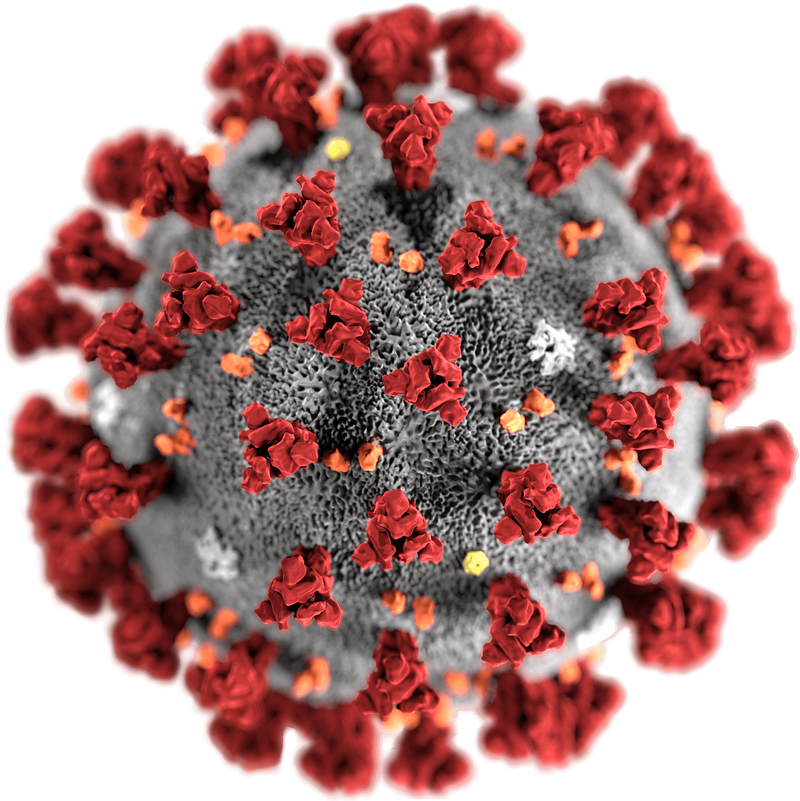
Image by Centers for Disease Control and Prevention (CDC) (Wikimedia Commons)

The COVID-19 pandemic has been infecting communities around the world for more than a year. Over 25 million have been infected here in the U.S. causing over 400 thousand deaths as of mid-January 2021.

Perhaps the most dramatic news of the past year was the extremely rapid development of not one, but two novel RNA-based vaccines. The first approved vaccine used the mRNA technology of a small German biotech company called BioNTech, which partnered with the global pharmaceutical giant, Pfizer. The second approved vaccine is from Moderna based in Cambridge, Massachusetts.

What follows is my comparison of these two vaccine’s Phase III clinical trials which assessed safety and effectiveness.

1. The final verdict…

Both Pfizer/BioNTech and Moderna’s new mRNA vaccines against COVID-19 were granted emergency-use authorization by the FDA in the U.S., and by the health agencies of many other countries around the world.

Pfizer/BioNTech’s RNA-based vaccine was 95% effective in preventing COVID-19 in patients who were 16 years old or older. The new drug is as safe as other anti-virus vaccines at the two-month period, which is the median duration collected so far.

Moderna’s RNA-based vaccine was 94.1% effective in preventing COVID-19 and showed comparable safety as the Pfizer vaccine.

If you read no further than this, my conclusion is that both vaccines are safe and effective based on the gold standard clinical trial design: a randomized, double-blind, placebo-controlled three-phase clinical trial.

This article is my personal assessment and applies only to the Pfizer/BioNTech and Moderna vaccines, and not at all to the numerous other vaccines being developed around the world.

I encourage you to also read the original clinical studies, both published in the New England Journal of Medicine (NEJM). The Pfizer/BioNTech study is here and the Moderna study is here.

2. The vaccine’s risks…

I want to emphasize a few risks, none of which I believe rise above the risk of COVID-19, and I believe none outweigh the benefits of Pfizer/BioNTech’s BNT162b2 and Moderna’s mRNA-1273 vaccines. This is not a comprehensive list of risks.

  • The safety of both of the vaccines has only been assessed for a median follow-up period of about two months. Normally a Phase III trial will last for years, during which any safety concerns can be documented and investigated. That has not been possible in this accelerated vaccine development.
  • A good example is the allergic reaction to the Pfizer vaccine, which was documented within a day after the UK began using the vaccine on its healthcare workers. Similarly, an allergic reaction to the Moderna vaccine occurred in the U.S. within a week of its rollout.
  • Kids younger than 16 years old have only recently begun testing with Pfizer/BioNTech’s vaccine. This will include adolescents between 12–15 years of age. Moderna’s vaccine only tested people from 18 to about 65 years old. I have seen no information on Moderna’s plans for those younger than 18 years of age.
  • Additional risk groups such as young kids, pregnant women, and people with weakened immune systems have not yet been tested with EITHER vaccine.

That said, these clinical studies examined large populations of diverse volunteers, and the safety and efficacy of both vaccines were uniformly very good.

3. Background on the vaccines…

We are comparing vaccines by Pfizer/BioNTech (which goes by the name BNY162b2) and by Moderna (which is called mRNA-1273).

I previously expressed opinions for and against each company in yet other articles here:

Neither of my opinion articles was based on clinical trials. I now have an opportunity to fill in that gap and either reinforce my bias or change my opinion based on the data.

Both the Pfizer/BioNTech and Moderna vaccines are based on messenger RNA (mRNA) in which some of the letters of the genetic code (called nucleosides) have been modified to fool our immune system, letting the vaccine slip into our cells.

Viruses affect every living thing including humans, so all cells carry aggressive enzymes designed to destroy foreign viral RNA. Both Pfizer/BioNTech and Moderna vaccines get around this by modifying the nucleosides, the letters of the genetic code in RNA, so our immune cells and enzymes ignore the vaccine.

We can’t over-emphasize the importance of this modified nucleoside technology for these new RNA vaccines. Using pseudouridine in mRNA to bypass the immune system was a critical discovery made by a Hungarian biochemist named Katalin Kariko. Kariko was ignored for decades as she tried to convince the biology and medical community that mRNAs can be used for drugs including vaccines. Her discovery of using modified nucleosides was the linchpin for today’s mRNA vaccines and was published in 2008. She is now a senior vice president at BioNTech.

Both mRNA vaccines only encode a single protein, not the entire virus, so there is no possibility of an accidental infection from this vaccine. Fascinating viruses called retroviruses can insert themselves into the host’s genome, and thousands of copies of both active and inactive viruses are embedded in our DNA. HIV is a well-known example of a retrovirus. The SARS-CoV-2 virus is not a retrovirus. And since this vaccine does not encode an entire virus, there is no way for the mRNA to change our DNA, as some rumors falsely suggest.

Both vaccines encapsulate the mRNA in what is called a lipid-nanoparticle (LNP). LNP protect the mRNA, and to help deliver the mRNA into the cells.

Earlier this year, Pfizer/BioBTech’s BNT162b2 passed a Phase I study (published here) which showed the preliminary safety of delivering two 30-microgram doses of BNT162b2 to healthy adult men and women in Germany and the U.S.

Moderna’s mRNA-1273 similarly passed their Phase I study (published here), which showed the preliminary safety of two doses of either 25, 100, or 250 micrograms.

The Phase I study examined the vaccine’s safety and immunogenicity (the ability of the drug to precisely activate the immune system against SARS-CoV-2). Passing that the first trial let both companies progress to the final Phase II/III trial.

4. The Phase II/III study designs…

The phases of a drug clinical trial are explained on the FDA’s website here. The bite-sized summary of clinical trials is:

  • Phase I — about a hundred healthy or sick volunteers who are studied for a few months to determine the safety and the appropriate dose of the drug
  • Phase II — a couple of hundred sick volunteers who are studied for months to a couple of years to determine the effectiveness and side effects of the drug
  • Phase III — thousands of sick volunteers who are studied for up to four years to determine the effectiveness and to learn about adverse reactions to the drug

In order to expedite the study in our current pandemic, Phase II and III were run in tandem.

Both Pfizer/BioNTech and Moderna’s Phase II/III studies used a similar overall study design, called a randomized, double-blind, placebo-controlled clinical study — the gold standard:

  • randomized the study participants into equal-sized groups
  • placebo-controlled (meaning half of the participants got an ineffective substitute, the placebo, while the other half got the vaccine)
  • double-blinded (meaning neither the participants nor the study staff knew which patients were given the vaccine or placebo).

Randomization is essential to make sure the two treatment groups, the vaccine group and the placebo group, are as similar as possible. That we are comparing “apples to apples”.

A placebo shows that the vaccine is indeed better than doing nothing. A good scientific clinical study always compares the drug of interest to a placebo (or some other well-characterized drug), also called a control.

Blinding the study means there is no way for either the volunteers or the study staff to intentionally or unintentionally bias the study (such as putting healthier people in the vaccine group and putting sicker people in the placebo group, falsely making the vaccine look better than it is).

And finally, a large sample size ensures that the results of the clinical study are real and not just from pure chance, like getting lucky and flipping heads five times in a row.

In the Pfizer/BioNTech study, a total of 43,448 people took part in the clinical trial and were injected with either the vaccine or the placebo. A web-based app randomly assigned each patient to receive either the drug or the placebo.

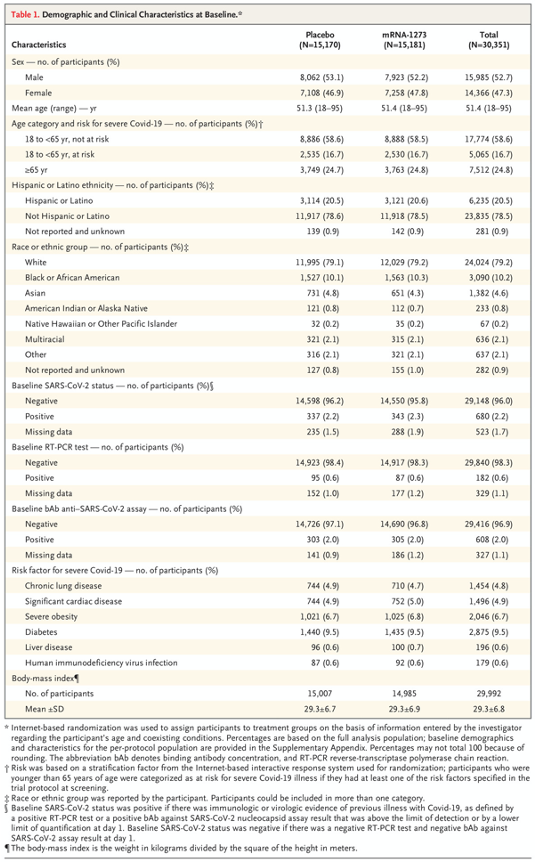
In the Moderna study, a total of 30,420 people took part and were randomized into two equal groups receiving two doses of either the vaccine or placebo. A “centralized interactive response technology system” randomized and assigned participants into each group.

Here’s a detailed breakdown of each study’s participants, shown in the next two tables in case you want to see the statistics on your particular sub-group.

Pfizer/BioNTech Study Demographics
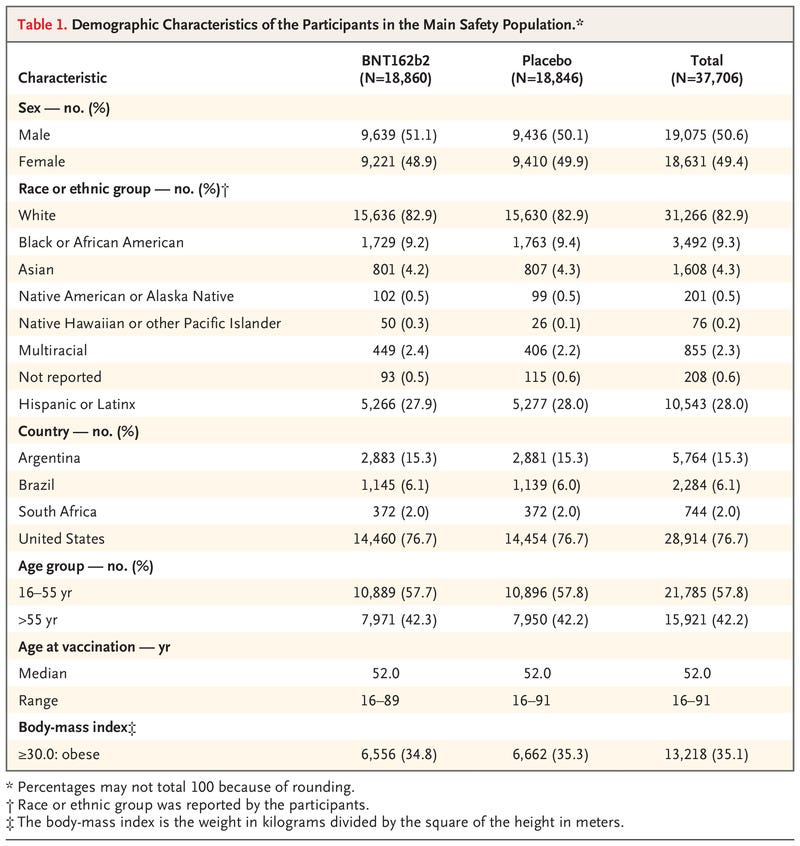
Table 1 from paper summarizing the Pfizer/BioNTech study demographics (image from Polack et al, 2020)

Moderna Study Demographics

Table 1 from paper summarizing the Moderna study demographics (image from Baden et al, 2020)

Pfizer/BioNTech trial patients electronically recorded any local or systemic “adverse events”, or if the patient needed to use medication to treat fever or pain within 7 days of each dose. This was the main safety data. The details of Moderna’s safety data-logging were not shared.

The natural yardstick for measuring the vaccine’s effectiveness is to simply count the number of COVID-19 cases in the study. Then compare the people given the vaccine to those given the placebo. We want to know which group had more cases of the disease, and if the difference between them was a real difference (statistically significant, meaning it was unlikely to be a result of random chance).

In both studies, people who ended up showing a standardized set of COVID-19 symptoms, or who were tested and confirmed by RT-PCR, were counted as cases. Another important metric in both studies was how severe the case was, especially since it is severe COVID-19 which is overwhelming the medical system thus exacerbating the fatalities associated with the disease.

5. The results…

In the Pfizer/BioNTech study, there were 8 cases of COVID-19 in the BNT162b2 vaccine group, and 162 cases in the placebo group. There were over 18 thousand people in each group. These numbers lead to their calculated vaccine efficacy value of 95%. This percent measures how much the vaccine reduces of rate the disease compared to being unvaccinated.

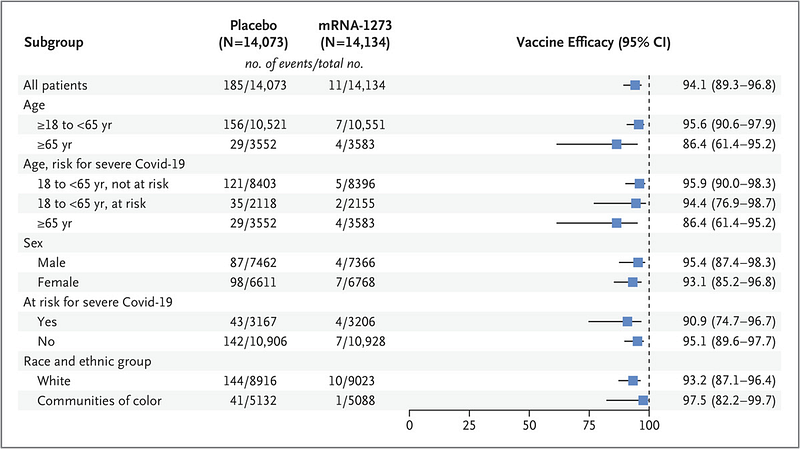
In the Moderna study, there were 11 cases of COVID-19 in the mRNA-1273 vaccine group, and 185 cases in the placebo group. There were over 14 thousand people in each group. These numbers yielded Moderna’s vaccine efficacy value of 94.1%.

One of the most important aspects of this study is the large number of participants, as well as the diverse demographics captured in each.

Pfizer/BioNTech’s participant age range spanned from 16 to over 75, equally split between male and female, included white, black, Hispanic, and other races, and three countries. Some of the groups had small numbers (e.g., those over age 75), yet despite this diversity, the vaccine’s efficacy remained consistent across the board.

Moderna’s Participant age range spanned from 18 to over 65, about 53% of which were male and 47% female. The Moderna study a number of ethnic groups including white, Hispanic, black, Asian, and others. Similar to the Pfizer/BioNTech vaccine, Moderna’s vaccine retained good efficacy across groups, though some groups were small in this study as well≥

This data, and more, are summarized in the following two tables from the papers published in NEJM:

Pfizer/BioNTech Efficacy Data
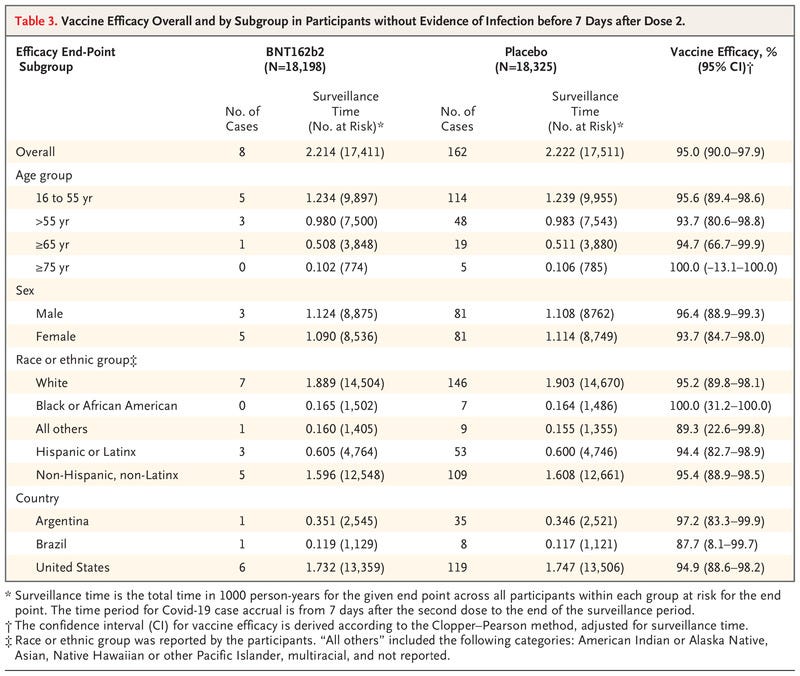
Table 3 from paper summarizing the vaccine’s study statistics and effectiveness (image from Polack et al, 2020)

Moderna Efficacy Data

Figure 4 from paper summarizing the Moderna study efficacy data (image from Baden et al, 2020)

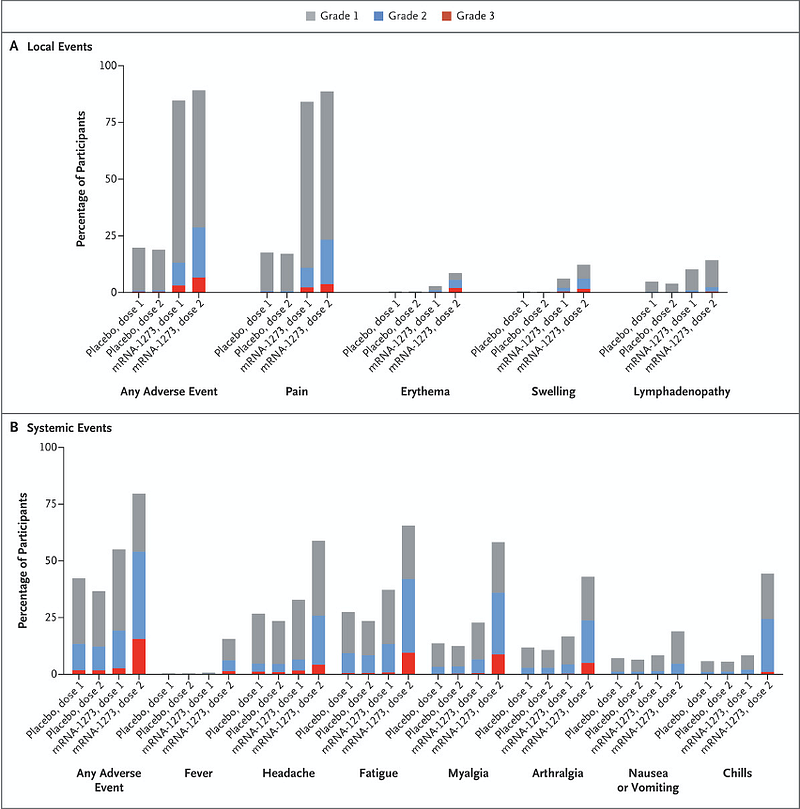
The safety data showed that people with the vaccine had a higher incidence of pain at the injection site, fever, fatigue, headache, chills, muscle, and joint pain, than those given the placebo. The total numbers of these incidences were low.

The complete summary of the safety data is shown in the two figures below from the same two papers:

Pfizer/BioNTech SafetyData
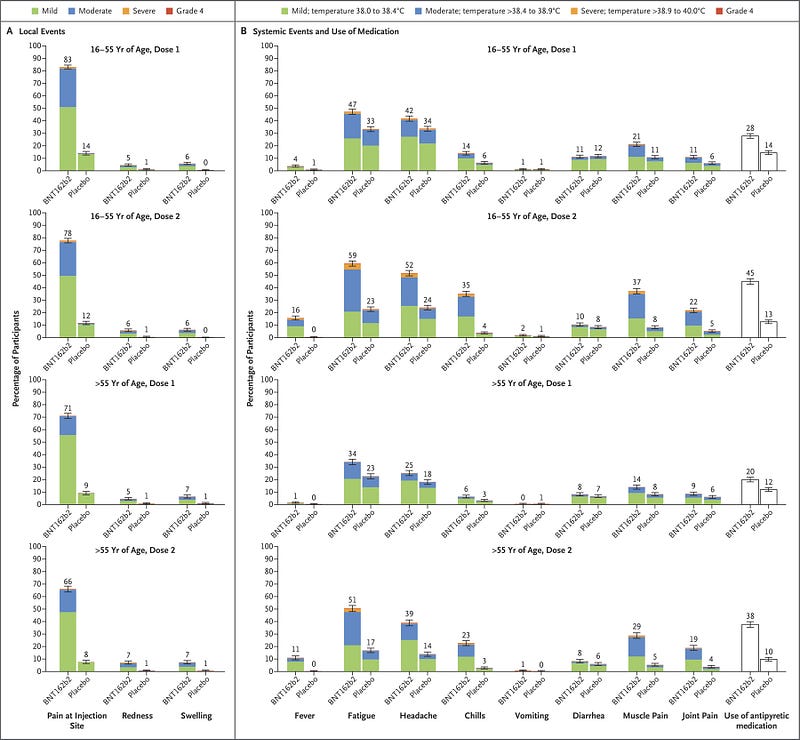
Figure 2 from paper showing systemic reaction reported within seven days after injection effectiveness (image from Polack et al, 2020)

Moderna Safety Data

Figure 2 from paper summarizing the Moderna study safety data (image from Baden et al, 2020)

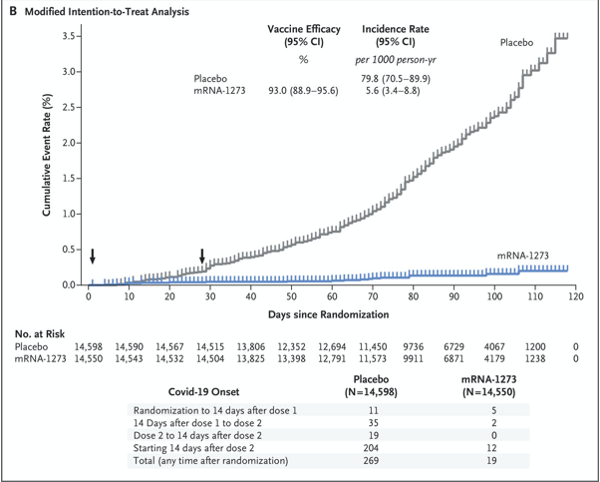
Perhaps the most interesting and powerful visual of the effectiveness of the BNT162b2 and mRNA-1273 vaccines are the detailed plot of COVID-19 cases as they accumulated in each group. These graphs count each case of the disease after the first dose of the vaccine or placebo, and graph them with the cumulative numbers piling up on the vertical axis, compared to the number of days after the first dose on the x-axis.

We can see clearly in both graphs that as time goes by after the start of the trial, the placebo group continued to accumulate COVID cases, while the vaccine group after two weeks flattened and stopped accumulating cases. We interpret that as the people in the vaccine group gaining significant immunity to the virus and avoiding the disease.

Pfizer/BioNTech Cumulative Case Data
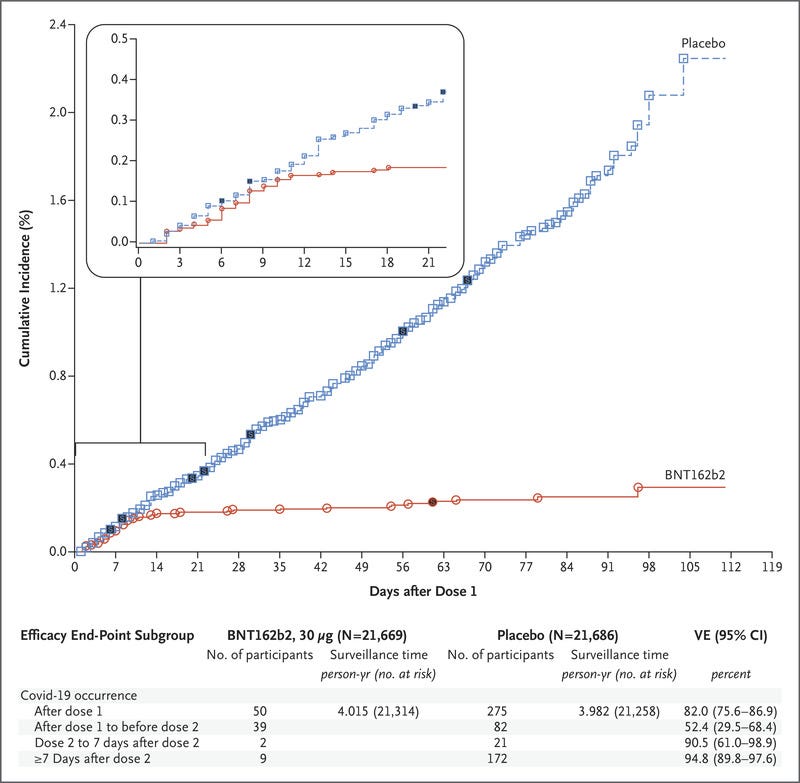
Figure 3 from paper plotting the cumulative number of COVID-19 cases occurring after the first dose. Blue squares are cases in the placebo group, the orange circles are cases in the vaccine group (image from Polack et al, 2020)

Moderna Cumulative Case Data

Figure 3B from paper plotting Moderna’s cumulative case data (image from Baden et al, 2020)

6. Concluding comments…

I believe the data support the safety and effectiveness of both the Pfizer/BioNTech vaccine BNT162b2. Both mRNA vaccines prevent COVID-19, especially severe disease, with effectiveness of between 94–95%.

Now that we have a new and more effective executive administration here in the U.S. we expect a rapid rollout of the vaccine. I believe we should all be vaccinated based in the clinical data. Those with known allergies should consult their physician before getting vaccinated.

I am not part of a high-risk group, and I am willing to wait until front-line healthcare workers, older and sicker people, people of color, and other high-risk groups have had a chance to get vaccinated. I hope they all do indeed get vaccinated and quickly.

Feel free to comment and give feedback — and especially important are any corrections to errors you spot.

Thank you for reading, and please share on your social media or by email.

Covid-19
Coronavirus
Biotechnology
Health
Medicine
Recommended from ReadMedium