avatarJB The Talker

Free AI web copilot to create summaries, insights and extended knowledge, download it at here

3805

Abstract

hat’s incredibly efficient which speaks to how purpose-built malls are to take your money.</p><p id="b883">they’re basically consumerism machines this is also why you don’t see malls disappearing completely.</p><p id="872e">they’re just too good at what they do retail segment analysts divide malls into categories based on how wealthy their customers are.</p><blockquote id="e990"><p>Top tier malls cater to Shoppers with annual incomes over 200,000 per year.</p></blockquote><blockquote id="bee4"><p>mid-tier malls cater to Shoppers closer to 100,000 per year and low-tier malls are for Less fluent customers.</p></blockquote><figure id="0d4e"><img src="https://cdn-images-1.readmedium.com/v2/resize:fit:800/0*LZH0NuuLGyEPEHVN"><figcaption>Photo by <a href="https://unsplash.com/@lunarts?utm_source=medium&amp;utm_medium=referral">Volodymyr Hryshchenko</a> on <a href="https://unsplash.com?utm_source=medium&amp;utm_medium=referral">Unsplash</a></figcaption></figure><p id="375f">The story of each of these mall types is diverging post-pandemic.</p><p id="b4c5">High-tier malls are thriving their occupancy rates are above 95% meaning that fewer than 5% of leasable areas are vacant.</p><p id="cd2e">This is essentially at or better than pre-pandemic levels.</p><p id="7549">They’re keeping their anchor stores and adding new tenants including those from online like Warb Parker Peloton Wayfair and more.</p><p id="3a7a">luxury brands also flock to these centers.</p><p id="6a7a">Mid-tier malls are holding their own and generally still have anchor tenants.</p><p id="8cba">The low-tier malls are the ones facing the most trouble they’re losing anchor tenants and facing declining sales.</p><p id="390f">they have to lower rents to retain our attractive retailers which no doubt leads to situations like the one here.</p><figure id="1270"><img src="https://cdn-images-1.readmedium.com/v2/resize:fit:800/0*gx_aiSln_AcKbnjK"><figcaption>Photo by <a href="https://unsplash.com/@olloweb?utm_source=medium&amp;utm_medium=referral">Agence Olloweb</a> on <a href="https://unsplash.com?utm_source=medium&amp;utm_medium=referral">Unsplash</a></figcaption></figure><p id="a4ca">where local businesses can afford a storefront where before they were out-competed by the likes of Bed Bath and Beyond.</p><blockquote id="f662"><p>one of the craziest statistics I found is that foot traffic in malls is higher than it was before in some cases as much as 10% higher and that’s across all tiers of malls.</p></blockquote><p id="481d">what’s going on here well I think part of this is a thinning of the heard a survival of the fittest to continue the anal Kingdom metaphor.</p><p id="dead">many malls will die but some will continue and Thrive and we might be overdue for this thinning of the herd for a while now.</p><p id="4f24">The United States is generally considered retailed we have almost three times the amount of leasable retail area per person than they have in Europe.</p><figure id="2e0c"><img src="https://cdn-images-1.readmedium.com/v2/resize:fit:800/0*OFnhI9GALvz8dHBh"><figcaption>Photo by <a href="https://unsplash.com/@introspectivedsgn?utm_source=medium&amp;utm_medium=referral">Erik Mclean</a> on <a href="https://unsplash.com?utm_source=medium&amp;utm_medium=referral">Unsplash</a></figcaption></figure><p id="01b3">In the era of online shopping, this difference seems more shocking and egregious than ever.</p><p id="175a">so some malls are closing but most aren’t and even the struggling malls are still staying alive some are pivoting to lower-rent tenants.</p><p id="310f">while others are considering adaptive reuse which is the principle of well adapting and reusing the mall for other purposes.</p><blockquote id="3829"><p>it’s basically the opposite of complete Demolition and Redevelopmen

Options

t which is occurring we’ll talk about later in the post</p></blockquote><p id="e7fe">but let’s focus on adaptive reuse for a minute this is where the physical Mall building remains even if all the stores are gone.</p><p id="6091">I think this might be easy to do malls aren’t complicated structures but as we heard earlier Simplicity is deceiving as malls are built to be some of the most efficient machines for consumerism humans have ever devised.</p><p id="5087">they’re almost like casinos trying to keep you inside them as long as possible one way they do this is by not having any windows.</p><p id="c631">it’s hard to see time pass without them but pretty much every other Mall use would like to have windows.</p><figure id="c325"><img src="https://cdn-images-1.readmedium.com/v2/resize:fit:800/0*1KW7gsp5ipLwxjuS"><figcaption>Photo by <a href="https://unsplash.com/@dylu?utm_source=medium&amp;utm_medium=referral">Jacek Dylag</a> on <a href="https://unsplash.com?utm_source=medium&amp;utm_medium=referral">Unsplash</a></figcaption></figure><p id="4e4f">so some amount of structural work needs to happen to punch openings through the envelope and</p><p id="9255">this is just one example of the challenges of reusing malls there are examples of reuses that have been somewhat successful.</p><p id="af9d">malls are basically, hallways with rooms off the hallway which pretty much describes schools.</p><p id="c3dd" type="7">a community college in Austin completely adapted a shopping mall site in Austin Texas Highland Mall was built in 1971 as the first shopping mall in the Austin area but by 2009 it was on the decline and closed its doors in 2015 Austin Community College purchased the property back in 2012 and in 2014 had already renovated the Jon Penny department store into an education center</p><p id="fd20">now not all malls are going to get the Adaptive reuse treatment some of those struggling malls are just going to get the Wrecking Ball but</p><p id="3dea">what’s interesting is that some of those demolished malls are rising from the rubble as a new mall.</p><p id="81f2">but as long as people like to drive their cars to a place where they can park for free and visit multiple shops in the same trip there will be shopping malls.</p><figure id="1d93"><img src="https://cdn-images-1.readmedium.com/v2/resize:fit:800/0*gqLh2FP-PMvLgMyx"><figcaption>Photo by <a href="https://unsplash.com/@freestocks?utm_source=medium&amp;utm_medium=referral">freestocks</a> on <a href="https://unsplash.com?utm_source=medium&amp;utm_medium=referral">Unsplash</a></figcaption></figure><p id="4b01">online shopping can’t kill the Mall, and the pandemic can’t kill the Mall Millennials can’t kill the Mall at all but malls might have to adapt to stay relevant which is what’s happening.</p><p id="2be2">so is the continued survival of malls a good thing for US cities I think it’s a pretty complicated issue.</p><p id="54b7">in general, if malls are adaptively reused in a way that sort of adds additional uses perhaps redevelop their parking lots.</p><p id="7ef2">I think that can be a good thing it’s a low-cost carbon way of reusing these structures and that’s not a small thing.</p><p id="d64a">in the meantime adaptive reuse is not a bad way to go now I must admit that uh growing up.</p><p id="15a6">so I still have a bit of an almost Nostalgia for these malls because for me it was a very special occasion to visit them and they’re definitely, a part of American culture.</p><p id="0876">so there’s part of me that hesitates to even see these go at all um but I certainly think they can be put to better use thanks to Adaptive reuse mix-use development and sort of a reduction in the use of automobiles to get to them.</p><h1 id="3055">What’s Your Thought? — Comment Below!</h1></article></body>

Dear White People: Stop Ignoring the Reality About Shopping Malls

Why This Is Happening?

US shopping malls are closing all-over years of competing with online shopping and losing shuttered mall stores emptying the hallowed Halls of American consumerism.
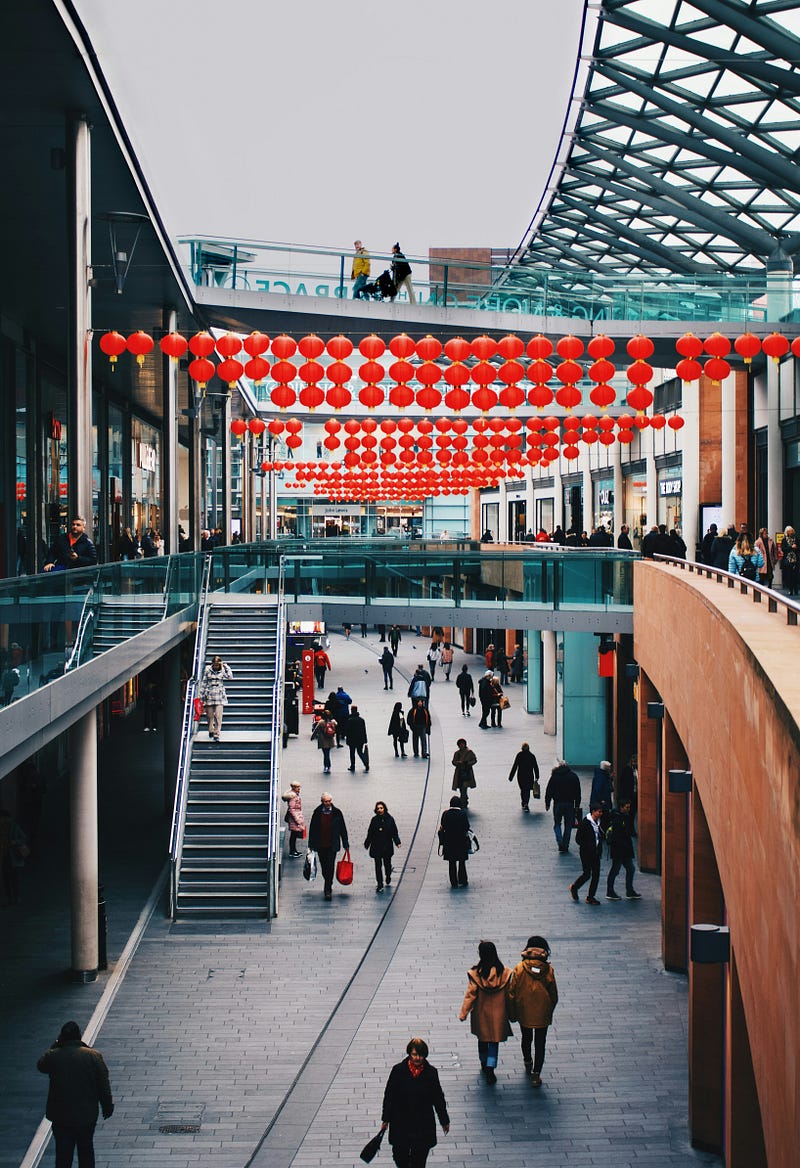
Photo by Jorge Percival on Unsplash

The pandemic proved to be the nail in the coffin for many malls and by some estimates.

There are only 700 malls left down from a high of 2500 in the 1980s — some prognosticators predict that there will only be 150 malls left in 10 years.

it seems the only visitors to malls these days are YouTubers filming Eerie Dead malls.

Mall stores have also been dropping like flies Mall Staples like the Disney Store P shoes and Pier 1 Imports are among the most ubiquitous chains that closed in The Last 5 Years and major retailers like Sears are on their last legs.

but don’t worry Hot Topic is still hanging on to the relief of Moody Mall Goths everywhere —

Image by wayhomestudio on Freepik

malls have long been synonymous with —

  • car culture
  • the suburbs and
  • the gutting of downtown retail

the demise of malls is a long time coming and a good thing for cities —

so that’s the narrative floating around but is it accurate I’m not going to lie to you and say that you know malls are thriving.

but I think it’s more fair to say that they’re evolving and not dying is that a good thing for cities

let’s talk about it —

I figured out what better place I choose to discuss easily and share with you on dying malls than well a dying mall

so here I am at Santa Maria Town Center

I did a post on this a while back because they destroyed half of their downtown to build this thing

uh, but the more I look around the more I realize that dying might actually not be the right word for this place.

I mean there are fewer National tenants than before but there are now local businesses here and it’s still Shoppers.

so what’s exactly going on how did this mall evolve?

well like I said malls have had a rough few years the decline started before the pandemic but the pandemic made things even worse.

dozens of malls have closed but the change hasn’t been massive.
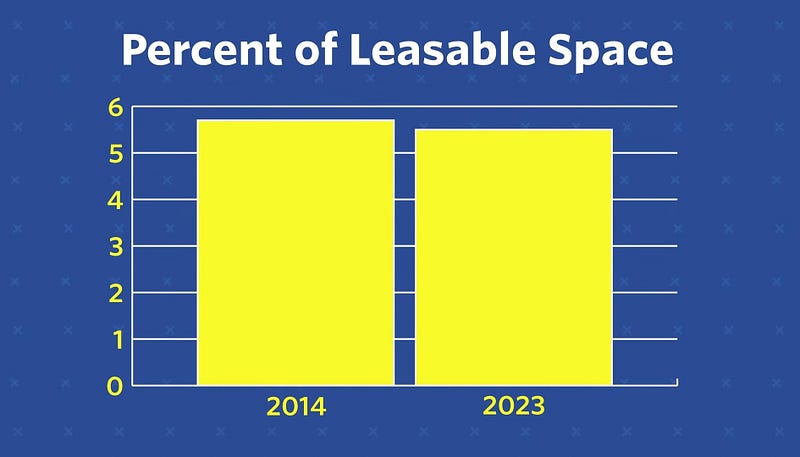
created by canva

In 2023

5.5% of all leasable retail space in the United States was in shopping malls down from 5.7%

In 2014

that’s only 0 2% despite only being 5.5% of all retail space they capture 13% of all brick-and-mortar retail spending.

that’s incredibly efficient which speaks to how purpose-built malls are to take your money.

they’re basically consumerism machines this is also why you don’t see malls disappearing completely.

they’re just too good at what they do retail segment analysts divide malls into categories based on how wealthy their customers are.

Top tier malls cater to Shoppers with annual incomes over $200,000 per year.

mid-tier malls cater to Shoppers closer to $100,000 per year and low-tier malls are for Less fluent customers.

Photo by Volodymyr Hryshchenko on Unsplash

The story of each of these mall types is diverging post-pandemic.

High-tier malls are thriving their occupancy rates are above 95% meaning that fewer than 5% of leasable areas are vacant.

This is essentially at or better than pre-pandemic levels.

They’re keeping their anchor stores and adding new tenants including those from online like Warb Parker Peloton Wayfair and more.

luxury brands also flock to these centers.

Mid-tier malls are holding their own and generally still have anchor tenants.

The low-tier malls are the ones facing the most trouble they’re losing anchor tenants and facing declining sales.

they have to lower rents to retain our attractive retailers which no doubt leads to situations like the one here.

Photo by Agence Olloweb on Unsplash

where local businesses can afford a storefront where before they were out-competed by the likes of Bed Bath and Beyond.

one of the craziest statistics I found is that foot traffic in malls is higher than it was before in some cases as much as 10% higher and that’s across all tiers of malls.

what’s going on here well I think part of this is a thinning of the heard a survival of the fittest to continue the anal Kingdom metaphor.

many malls will die but some will continue and Thrive and we might be overdue for this thinning of the herd for a while now.

The United States is generally considered retailed we have almost three times the amount of leasable retail area per person than they have in Europe.
Photo by Erik Mclean on Unsplash

In the era of online shopping, this difference seems more shocking and egregious than ever.

so some malls are closing but most aren’t and even the struggling malls are still staying alive some are pivoting to lower-rent tenants.

while others are considering adaptive reuse which is the principle of well adapting and reusing the mall for other purposes.

it’s basically the opposite of complete Demolition and Redevelopment which is occurring we’ll talk about later in the post

but let’s focus on adaptive reuse for a minute this is where the physical Mall building remains even if all the stores are gone.

I think this might be easy to do malls aren’t complicated structures but as we heard earlier Simplicity is deceiving as malls are built to be some of the most efficient machines for consumerism humans have ever devised.

they’re almost like casinos trying to keep you inside them as long as possible one way they do this is by not having any windows.

it’s hard to see time pass without them but pretty much every other Mall use would like to have windows.
Photo by Jacek Dylag on Unsplash

so some amount of structural work needs to happen to punch openings through the envelope and

this is just one example of the challenges of reusing malls there are examples of reuses that have been somewhat successful.

malls are basically, hallways with rooms off the hallway which pretty much describes schools.

a community college in Austin completely adapted a shopping mall site in Austin Texas Highland Mall was built in 1971 as the first shopping mall in the Austin area but by 2009 it was on the decline and closed its doors in 2015 Austin Community College purchased the property back in 2012 and in 2014 had already renovated the Jon Penny department store into an education center

now not all malls are going to get the Adaptive reuse treatment some of those struggling malls are just going to get the Wrecking Ball but

what’s interesting is that some of those demolished malls are rising from the rubble as a new mall.

but as long as people like to drive their cars to a place where they can park for free and visit multiple shops in the same trip there will be shopping malls.

Photo by freestocks on Unsplash

online shopping can’t kill the Mall, and the pandemic can’t kill the Mall Millennials can’t kill the Mall at all but malls might have to adapt to stay relevant which is what’s happening.

so is the continued survival of malls a good thing for US cities I think it’s a pretty complicated issue.

in general, if malls are adaptively reused in a way that sort of adds additional uses perhaps redevelop their parking lots.

I think that can be a good thing it’s a low-cost carbon way of reusing these structures and that’s not a small thing.

in the meantime adaptive reuse is not a bad way to go now I must admit that uh growing up.

so I still have a bit of an almost Nostalgia for these malls because for me it was a very special occasion to visit them and they’re definitely, a part of American culture.

so there’s part of me that hesitates to even see these go at all um but I certainly think they can be put to better use thanks to Adaptive reuse mix-use development and sort of a reduction in the use of automobiles to get to them.

What’s Your Thought? — Comment Below!

Writing
Psychology
Creativity
Online Shopping
Social Media
Recommended from ReadMedium