
Shokunin — The Japanese Craftsman
The Practice of Ichigyo-zanmai
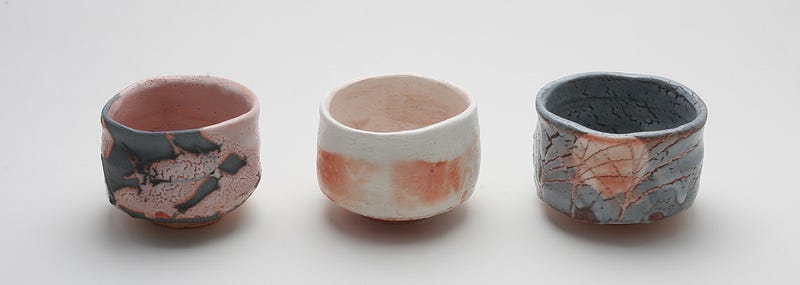
My Japanese father-in-law is a shokunin, a craftsman. This one-word translation doesn’t capture the essence of shokunin and the significance they have in Japanese culture.
Shokunin make one-of-a-kind products that are highly appreciated for their simple yet sophisticated aesthetics; as a result, these masters are held in high regard and represent the closest that one can get to perfection.
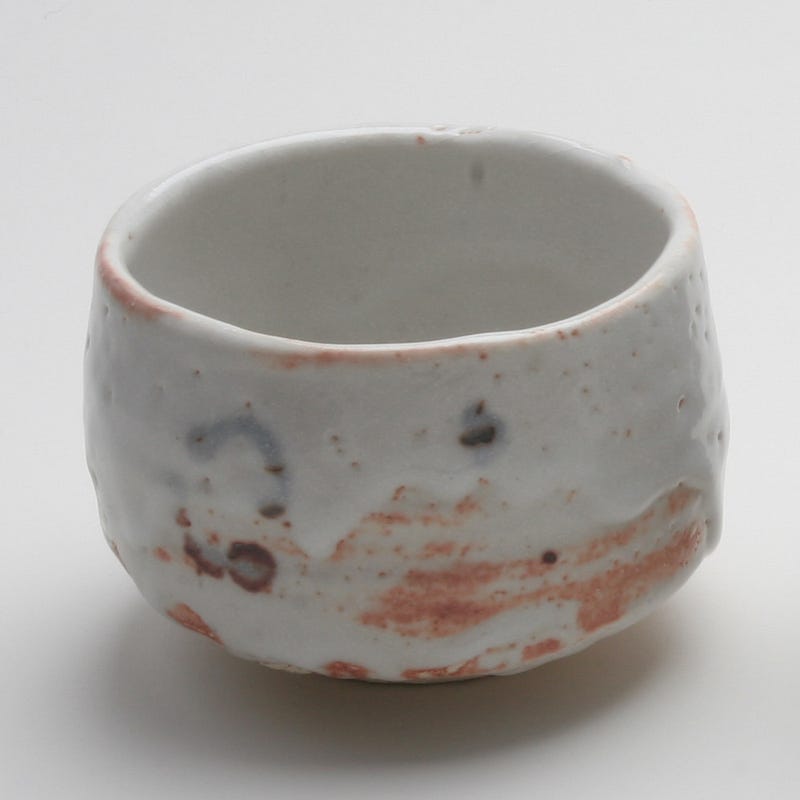
My father-in-law is a potter who makes macha-jawan, traditional tea ceremony bowls. For over 40 years he has been making a specific style of stoneware pottery called Shinoyaki, a product of Gifu Prefecture that is recognised by its thick white glaze and red scorch marks textured with small pinholes and cracks. Shinoyaki macha-jawan are highly prized by Zen tea masters for their wabi-sabi inspired aesthetic.
Flow
I spent a year living in my wife’s family home, next door to which was my father-in-law’s small pottery factory, or koba. I’d often visit the koba to see what he was up to and, on occasion, take photos or record videos of him working. I was always amazed at his ability to step into flow.
He would sit cross-legged at his pottery wheel, place a lump of clay he had prepared earlier on the wheel, turn it on, wet his hands and then start to shape the spinning clay. His movements seemed so natural as he moulded the clay.
Time would seem to stop and I felt something special was being brought to life while he worked — years of dedicated practice coming together to shape a unique piece of pottery in what felt like seconds. In the space of half an hour, he would shape 20 bowls with what appeared to my eyes with great ease and remarkable consistency. This skill comes from his practice of ichigyo-zanmai.
Ichigyo-Zanmai
Ichigyo-zanmai is a Zen term that translates to ‘one practice concentration’’, or “single-task focus”. It is made up of two words: ichigyo, meaning ‘one practice’, and zanmai, meaning ‘concentration’. Ichigyo-zanmai is the practice of doing things to the best of one’s best ability; it means putting yourself fully into the task at hand.
Becoming Flow
The power of ichigyo-zanmai is that, by limiting yourself to one activity or one action in a given moment, it simultaneously frees you to fully express yourself. Doing this doesn’t just allow you to feel flow; it also allows you to transmit flow: You become and express flow, capturing it in the work you produce. This is something we see in the creations of shokunin and Japanese artists. The unique shape of each individual matcha-jawan that my father-in-law makes has captured his flow state, which will remain in that piece for others to enjoy and appreciate for years and hopefully decades to come.
You may sense this flow when you feel certain artworks call out to you, almost as if the artwork has a soul within itself attempting to communicate with you.
The earnestness and true expression that can be captured in the clay can change our emotional state by transmitting to us the energy of the creator; their practice of ichigyo-zanmai allows us to share in the experience of their flow. This is probably something that all of us can relate to, whether because we were moved by a particular piece of art, caught up in the excitement of an athlete’s seemingly impossible performance, or delighted by a delicious dish.
Practising Ichigyo-Zanmai
We can also strive to experience ichigyo-zanmai as practitioners. The key is to limit yourself to one activity or action and give yourself fully to what you are doing, tapping into your true, innermost nature. This is challenging to achieve as it requires you to let go of your ego and concentrate; it is best practised in solitude in a distraction-free environment.
Thanks to this practice — many hundreds of hours of it — one can then step into flow as if almost at will in any environment, tuning out distractions and the scrutiny of others, often while under immense pressure to create or execute something miraculous.
The compound effects of practising ichigyo-zanmai over many years results in what we might call mastery. That said, a shokunin would be the first to admit that they will never fully master their craft, and that there is always room for improvement; nevertheless, they do master ichigyo-zanmai and the ability to step into flow.
To learn more about Shokunin and my father-in-law’s craft, please read my book IKIGAI-KAN: Feel a Life Worth Living.


