
Sharing your favourite shows
Originally posted elsewhere in a now-deleted blog, the article dug out of a recycle bin of my documents. This post has survived a lot on its own.
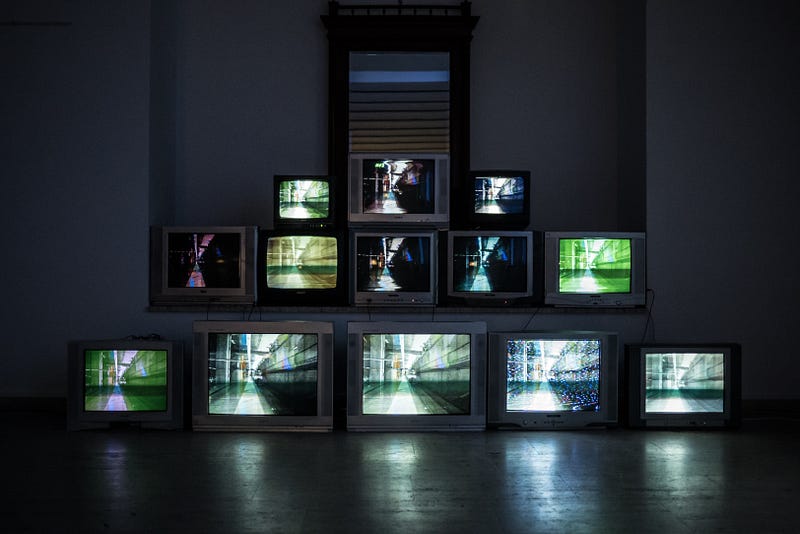
When you share your favourite show, your favourite books, your favourite actors or actresses with someone, I realized that you share more than just this indication of how you pass your time.
It’s not just looking for a simple acknowledgement with someone else that oh yes we both waste our lives away using the same methods, let’s party! It’s an implicit way of saying, “here are my ideas, my hopes, my inspiration” under the guise of many symbols, many stories.
There used to be that saying that the five people you most associate with influence your personality the most (unsure if it’s true). For people who spend more time behind a screen than interacting with others, would these stories, told through TV shows, books, animes and whatnot, would be the friends whom we draw ideas from the most?
I think once I figured this out, I started watching and reading things that other people recommended. Not because I genuinely think that I would enjoy it, because sometimes I don’t, but because sometimes things fall into place and I start understanding. Maybe I didn’t understand someone thoroughly when an event first happened, but after watching a show I get a second chance to stand in their shoes from a different point of view, perhaps one that is easier for me to grasp. That’s one thing stories can do, eh? Distill ideas, reform ideas, communicate ideas to many different ears of many different people each with their own unique differences.
I started questioning why I like the shows I watch, moreover, creating a filter for sharing specific shows to handpick which part of myself I most wanted to share with someone. Just taking account the vast amount of media I consume in my “spare” time, it’s just distilling which stories I really found myself in, when my only true intention in watching shows is to waste long periods of time and prevent myself from thinking or doing anything but concentrate on a story that isn’t my own. It’s amazing when that concentration, meant to throw time away, saves it, by giving me symbols or ideas I could work with to solve the original issue I was, am, hiding from.
My favourite characters are the ones that I could play, were I in that story. The eleventh doctor: for a sense of childishness. Orihaya Izaya: for an obsession with human behaviour. It must be scary, admitting that I sometimes love protagonists but also sometimes the antagonists, because when I say I love them I may mean that in their shoes, I would have made the same decision, or at the very least, given their context, I approve of their decisions. When sometimes I play the villain and other times the hero, it just sheds light on both good and bad parts of my personality. Or, good traits in me that would be detrimental in another context, or bad traits in me that could have been helpful elsewhere.
In a drama or a movie, the stories are brought out by actors who interpret and digest it and output their analyses through human behaviours.
These days I’ve become reluctant to share the things I like with others. There are pieces of me I’m uncertain of ever sharing, to trust someone else to understand when I share something that sometimes yes it can be complete shit with poor acting or poor storyline or poor whatever you don’t like to see; but maybe that’s not why I wanted to share it. Maybe it’s the first time I found something that said a thing I couldn’t say for a long time. Or too afraid to say.
In a selfish manner, I want someone to start watching something or reading something simply because it could help them understand me better, and just the thought that someone would spend the time to know me at the possible expense of hating something they watched entirely (possible: exaggeration) … idk, it’s touching.
That someone would spend time on me at all.
Also, the things that I cry at?
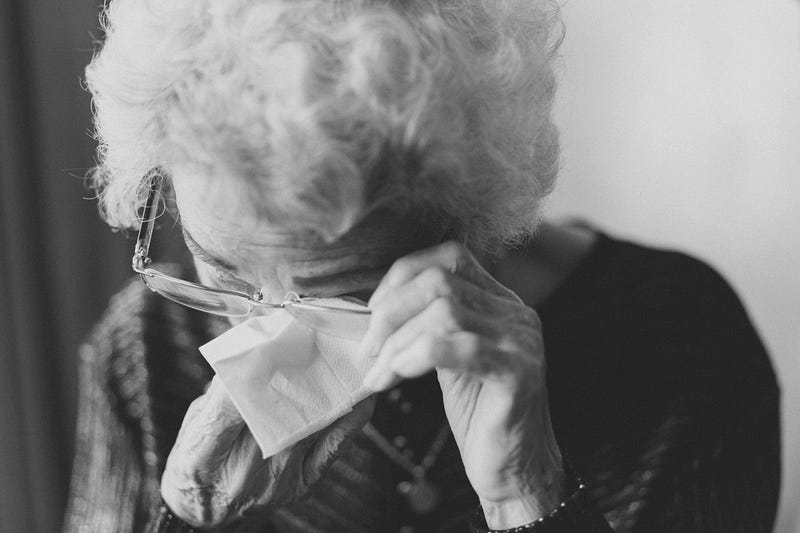
I don’t cry when there’s a loss. Yes, I acknowledge that a scene with a loss, no matter how emotional, is sad, but I never cry. It could be the saddest thing where a mother loses a child in the worst possible way and I’d only be upset, but no tears.
It’s almost as if I have deemed that a loss is not worth crying over. So what if you’ve lost all your friends and no one cares about you and you have no future career? So what if you fail a test? Crying does not solve a single problem other than possibly releasing an emotion temporarily. Why would I forgo a chance at fixing a problem by crying if it could just temporarily cloud judgment and just delay problem-solving? So maybe that’s it. I think crying is inefficient when it’s about a loss.
I cry when someone sacrifices a part of themselves to do a thing for someone else that they didn’t have to do. I cried in Secretly Greatly when the old lady manager saved up money for her only employee, as if he was a son and not just a random person to work and live with. I cried when the spy took all of the money he was earning under this spy disguise and gives it to the woman who once told him her secret, that she had a son when she was 16 and he got adopted to America; the spy looked up the kid’s address for her and gave her all that money before he went off on that mission. I cry when the situation is set one way but slowly, just slowly, one individual bravely voices otherwise, and others slowly follow suit because deep down that’s where their morals lie and they will speak even if it brings them danger. In Pinocchio, I cried when Ha Myeong sacrifices the time he could have been able to spend with his long lost brother, just to bring out the truth that his brother is a murderer, in the same way, that they both believed the truth about their father’s innocence should have been spoken by the media — the very incident that split their entire family apart.
I don’t know why anyone would cry at these scenes but I do. It’s sort of like mourning for what could have been because you acknowledge the alternate road was the correct one. Maybe it’s somehow this weird way to communicate that yes, you should always take the correct route even when there are things to be sacrificed. Yes it will be lost, but it’s lost for a good reason; no worries, some random girl in an AU will cry over your sacrifice and that somehow makes things better.
First posted on May 15, 2016.
Additional thoughts
I wrote this at the end of my undergraduate degree. After a few years of therapy and more journalling, I uncovered some underlying assumptions I have of the world that fed into these two realizations:
- I had quite a few non-reciprocal friendships in undergrad, and took on most of the emotional labour in friendships. While there were valid reasons for some of this non-reciprocity, I learned that to not burn out, I needed to build a more balanced support network.
- I believe(d?) that the world is a harsh place and that no one typically comes out to stand up for anyone else. So when TV shows depict this as a possibility, that worldview is broken. Bittersweet feelings composed of a) so there is hope after all and b) I have just never encountered it yet ensue.
Here is me sharing a bit of me, and what I like.


