avatarDr. Seema Patel (PhD)

Free AI web copilot to create summaries, insights and extended knowledge, download it at here

1173

Abstract

sian pied mynah: Image by author</figcaption></figure><p id="df68">Egrets live in rookery top huge trees. This old tamarind tree stands near my parent’s house. Hundreds of egrets call it home. Several generations have lived there. In my village days, I walked under the tamarind tree, on the way back from school or grocery, several times I have been soiled by egret excreta. In monsoon, when the rain washed the uric acid, the area smelled pretty obnoxious, for the first few showers. But it was nice to see the birds fly with twigs to refurbish their nests and little fish for their chicks.</p><figure id="cb40"><img src="https://cdn-images-1.readmedium.com/v2/resize:fit:800/1*gx8VuBqhk7MH3DD_sE9iWg.jpeg"><figcaption>Egrets: Image by author</figcaption></figure><p id="063d">Roosters are free-range in rural India. They have been the volunteer alarm clock since forever. They don’t fly like other birds, but can take a leap to the roof or trees. This was one was on a teak tree.</p><figure id="ee8c"><img src="https://cdn-images-1.readmedium.com/v2/resize:fit:800/1*trXvHi4SDl4hirpH1Y4-Rg.jpeg"><figcaption>Rooster: Image by author</figcaption></figure><p id="b337">Gre

Options

ater coucal or crow pheasant is a bird of cuckoo family. It’s rather big bird with a long tail and characteristic sound. Like a lot of other superstitions, this bird sighting is considered a good omen. I am just happy to see it not being extinct or threatened.</p><p id="5b72">Watching this bird near the bamboo thicket, as I roamed in our backyard with my mother, is one of my first memories.</p><figure id="171e"><img src="https://cdn-images-1.readmedium.com/v2/resize:fit:800/1*_i4gvjYZlF452y1nrN3Xyw.jpeg"><figcaption>Greater coucal: Image by author</figcaption></figure><p id="113a">Magpie-robin are common birds, though I don’t know much about them. They are passerine birds but look like small magpies for their black and white plumage pattern.</p><figure id="af38"><img src="https://cdn-images-1.readmedium.com/v2/resize:fit:800/1*fOrH1vYshSJpT13RbadR2A.jpeg"><figcaption>Magpie-robin: Image by author</figcaption></figure><p id="4de3">I believe, you enjoyed meeting the birds from India.</p><p id="8827">Coming back with more of them.</p><p id="8618">Remember, birding is a natural antidepressant.</p><p id="d0c7">Thank you for your attention.</p></article></body>

Sharing The Joy OF Birding

Birding in India, Part 1
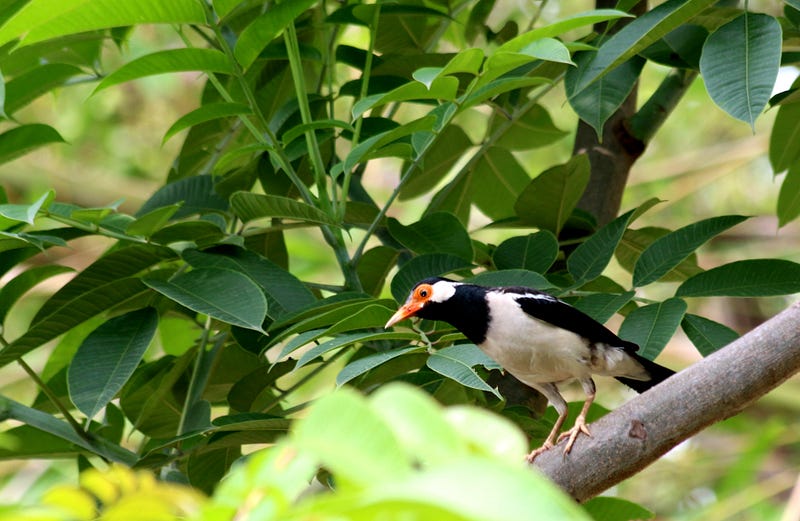
Asian pied mynah: Image by author

Bird watching is a great relaxing hobby. I am lucky to have a tele lens camera and adequate knowledge of bird identification. So, past decade has been very rewarding in terms of birding.

If I can’t identify a bird immediately, I have learnt ways to coax the identity from Google images.

So, here I am serving some bird pictures from my personal archive.

Mynahs are very noisy birds. A bamboo thicket behind our house was home to a large population of these birds. The evenings and dawns were full of avian cacophony. But if you think, is not that welcome over the shrill and screech of vehicles!

I regularly see them in our backyard. One of the most established birds of that region.
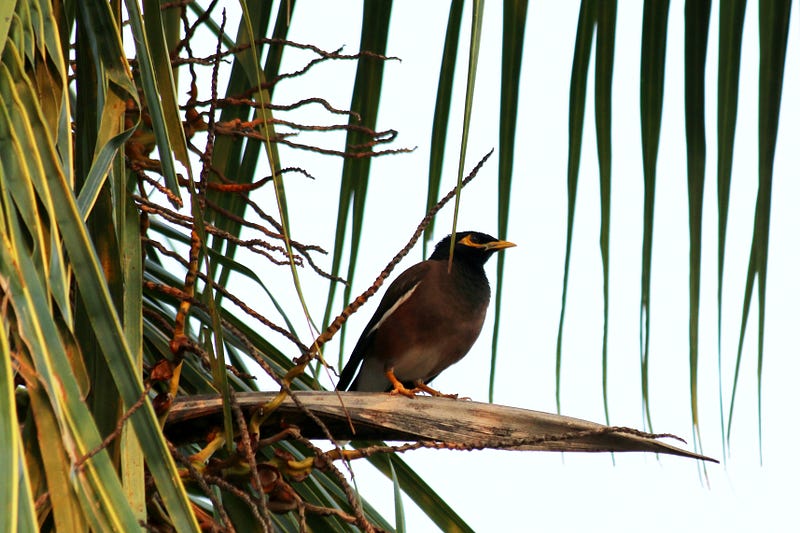
Asian pied mynah: Image by author

Egrets live in rookery top huge trees. This old tamarind tree stands near my parent’s house. Hundreds of egrets call it home. Several generations have lived there. In my village days, I walked under the tamarind tree, on the way back from school or grocery, several times I have been soiled by egret excreta. In monsoon, when the rain washed the uric acid, the area smelled pretty obnoxious, for the first few showers. But it was nice to see the birds fly with twigs to refurbish their nests and little fish for their chicks.
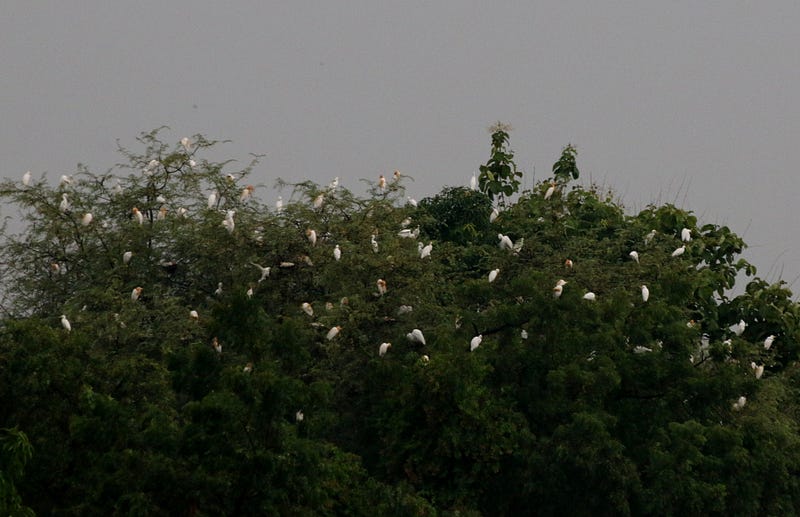
Egrets: Image by author

Roosters are free-range in rural India. They have been the volunteer alarm clock since forever. They don’t fly like other birds, but can take a leap to the roof or trees. This was one was on a teak tree.
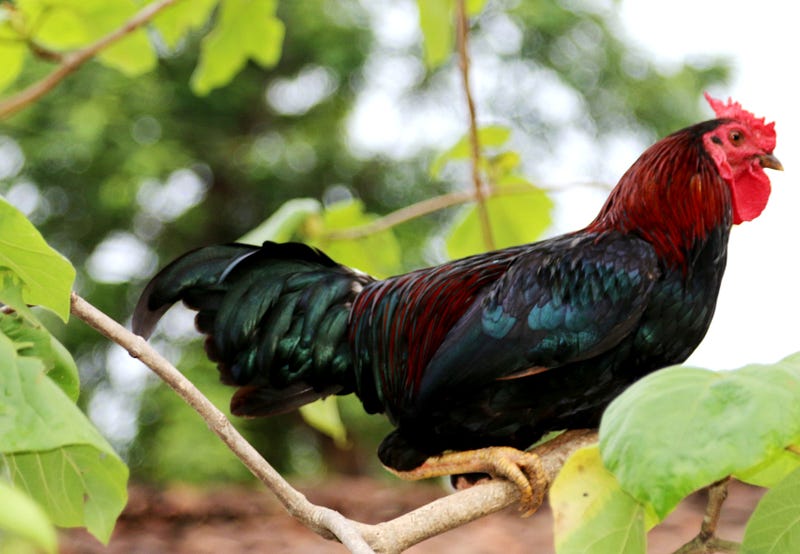
Rooster: Image by author

Greater coucal or crow pheasant is a bird of cuckoo family. It’s rather big bird with a long tail and characteristic sound. Like a lot of other superstitions, this bird sighting is considered a good omen. I am just happy to see it not being extinct or threatened.

Watching this bird near the bamboo thicket, as I roamed in our backyard with my mother, is one of my first memories.
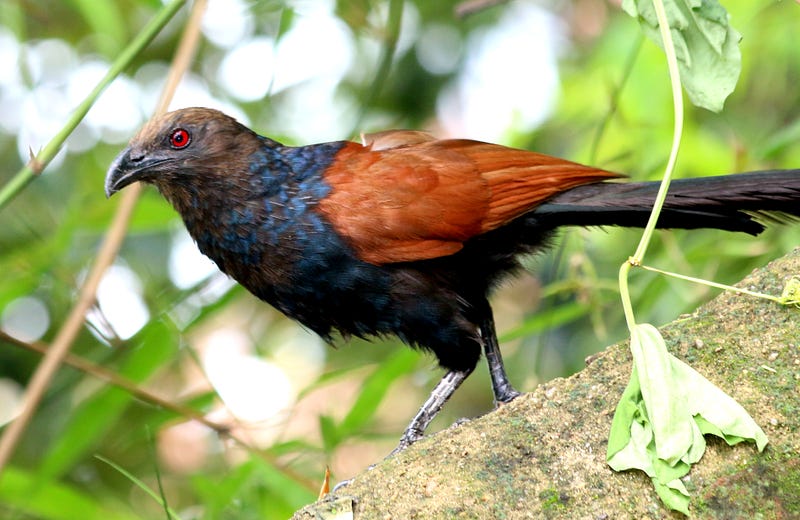
Greater coucal: Image by author

Magpie-robin are common birds, though I don’t know much about them. They are passerine birds but look like small magpies for their black and white plumage pattern.
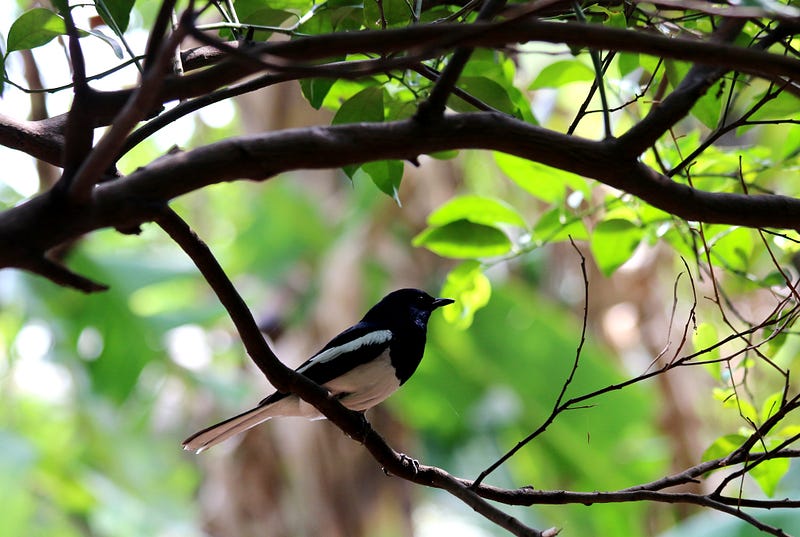
Magpie-robin: Image by author

I believe, you enjoyed meeting the birds from India.

Coming back with more of them.

Remember, birding is a natural antidepressant.

Thank you for your attention.

Birding
Birds
Bird Watching
India
Bird Photography
Recommended from ReadMedium