
Seven Spooky Spectre Sites
Ghostly Goings-on in Wales and the Welsh Borders
Those who have experienced it, talk of a sudden drop in temperature. Goosebumps ripple across their body, whilst the fine hairs on the back of the neck and forearms stand on end before swishing in the spooky breeze like ears of corn in a crop field.
Our eyes register something, a movement, and then dart back for a second glance, but it is gone. A shiver shoots through our body like a bolt of lightning as we realise what we’ve just witnessed. A haunting experience.
In Wales and the Welsh Borders, we’ve plenty of opportunities to be frightened whilst out and about, so grab your white sheets and chains; we’re off on a spooky tour of the region.
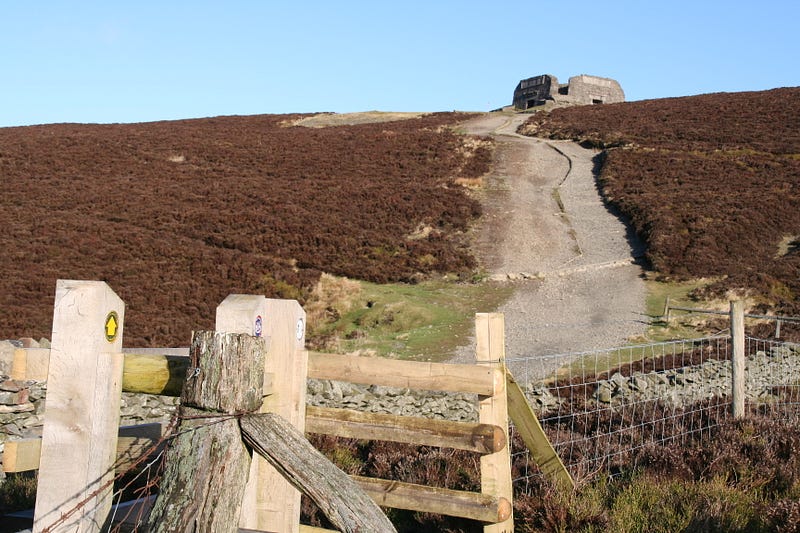
1. Moel Famau, Clwyd
This north border hill, whose summit stands 555 metres (1,820 feet), is the scene of several ghostly apparitions. One couple witnessed a woman in a blue dress dancing at the summit on one summer’s evening — they turned to look at the view momentarily, then looked back, and she’d vanished!
One woman saw a grey, thin soldier dressed in an old uniform walk right past her. He ignored her when she tried speaking to him. Then he disappeared. Strangely, her dog hadn’t even noticed him.
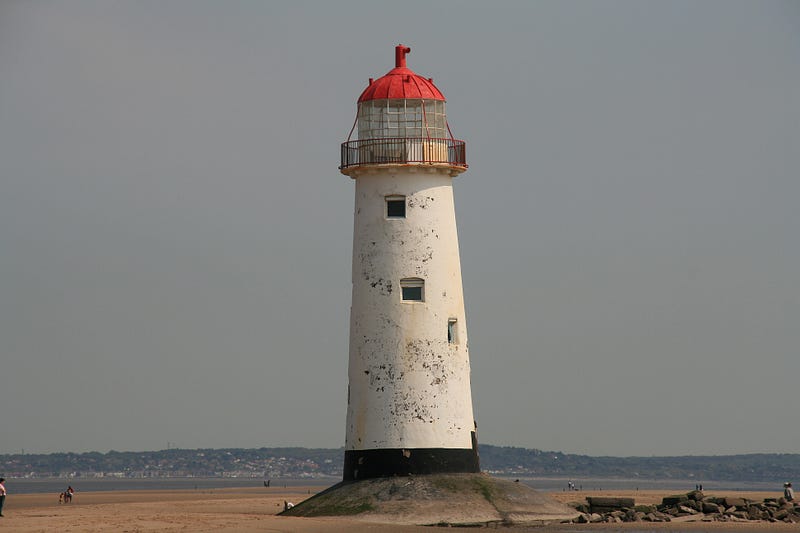
2. Talacre Lighthouse, Point of Ayr, Flintshire
Standing on the North Wales coast, near to where the English Welsh Border meets the River Dee and the Dee Estuary, stands Talacre Lighthouse — the oldest lighthouse in Wales. On quiet evenings, some beach visitors claim to spot an elderly gentleman in old-fashioned clothes gazing quietly out towards the Irish Sea. Could this be Raymond, one of the lighthouse keepers who died of a dreadful fever while manning the lighthouse?
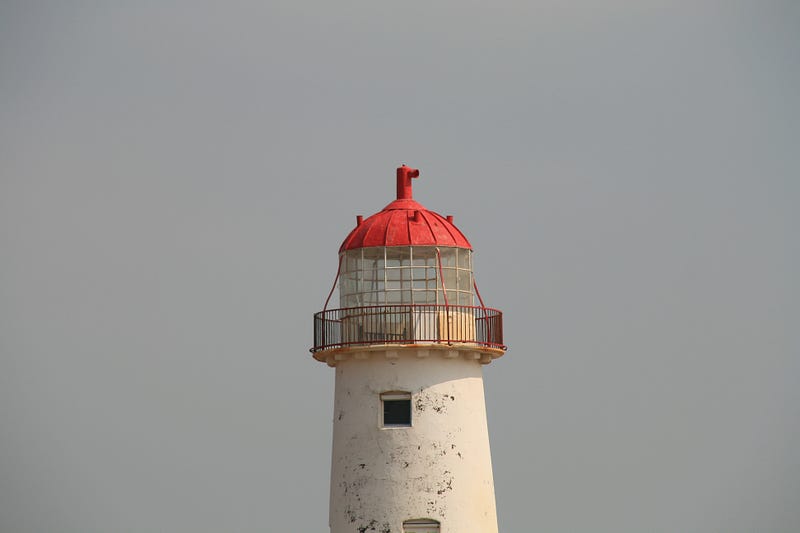
Next time you’re strolling along the beach, listen out for the cackling laugh of Raymond being carried on the wind.
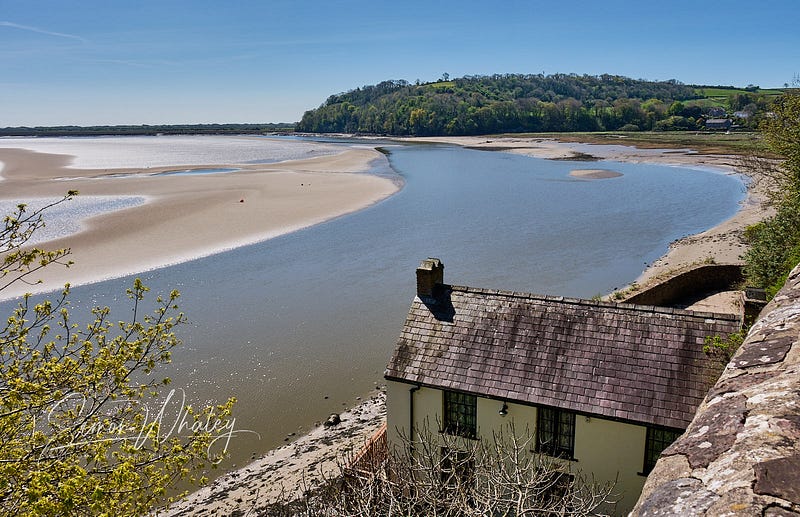
3. Dylan Thomas Boathouse, Laugharne, Carmarthenshire
Dylan Thomas must be one of Wales’s most renowned poets, but did you know his old house is haunted?
Perched on the side of the River Taf, overlooking the idyllic Laugharne Sands where three rivers join (Taf, Tywi and Gwendraeth), the house is now a popular tourist attraction. Yet staff often hear noises, like chairs scraping across the floor, when the house is closed to visitors. And some mornings, when they arrive to open up, they find room lights have been switched on, even though they know they were switched off the night before.
It’s not believed to be Dylan, but his mother Florence, who lived here after Dylan’s death until she died in 1958. Staff typically wonder if she doesn’t like how things are placed, for they regularly find pictures hanging on the wall have been swapped around overnight.
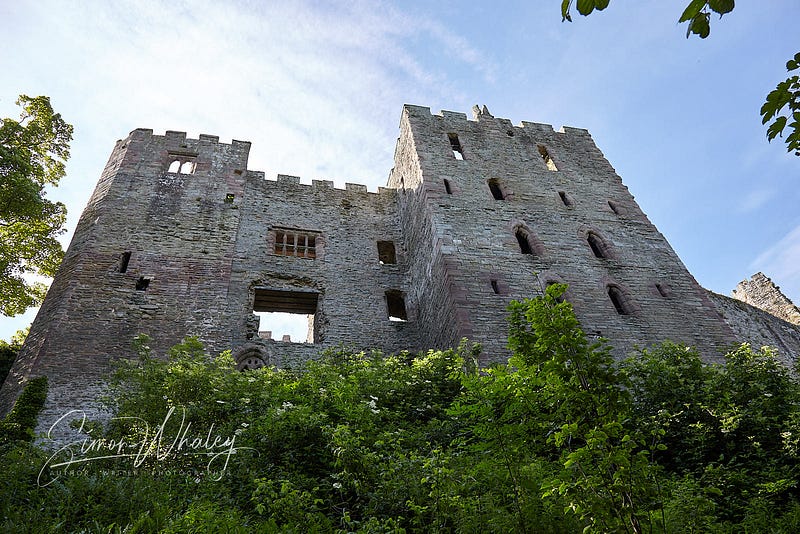
4. Ludlow Castle, Shropshire
In the latter part of the 12th century, Marion de la Bruyere threw herself over the top of Shropshire’s Ludlow Castle’s Pendover Tower, and today her ghost still wanders the impressive castle grounds.
Like all these stories, Marion fell in love with an enemy knight and, under the cover of darkness, would lower a rope from the tower for her lover to climb.
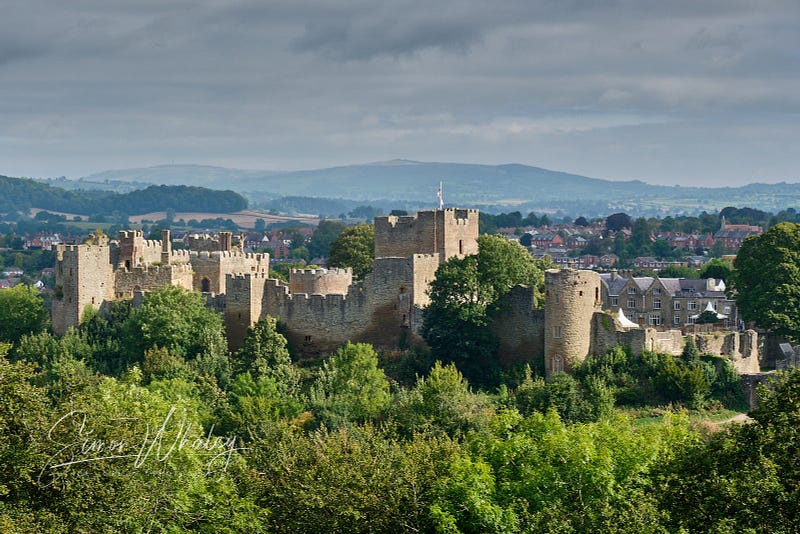
But one time, her lover left the rope in situ, allowing an army of 100 men to invade the castle and take everyone hostage. Marion was horrified, and when she realised her lover was at fault, she grabbed his sword and slit his throat. Filled with remorse, she climbed to the top of Pendover Tower and threw herself onto the rocks below.
Time your visit at dusk, and you might just hear her scream. . .
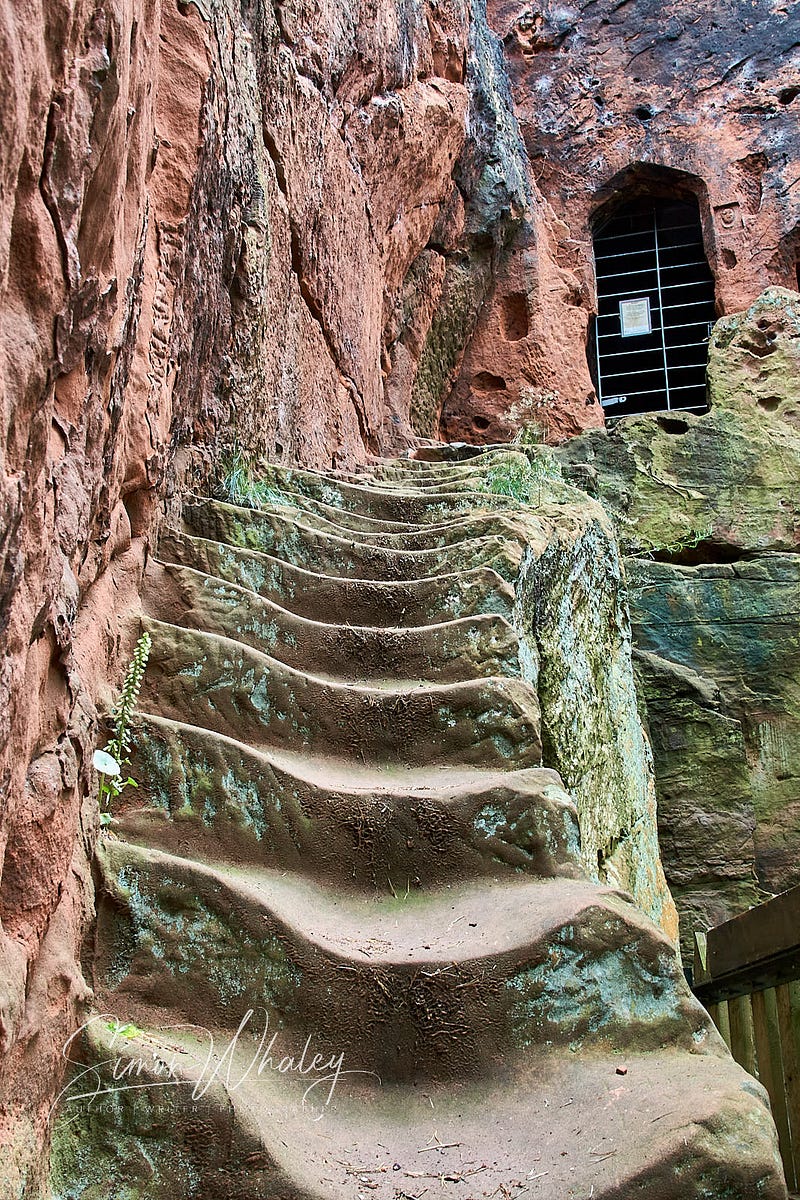
5. Kynaston’s Leap, Shropshire
In Shropshire, Sir Humphrey Kynaston was a real-life nightmare for wool traders operating between Shrewsbury and Oswestry. All too often, they found themselves being held at gunpoint by the man on his huge black horse and instructed to hand over their money. He did have some morals — he gave his takings to the poor, although he was no good at looking after his money. When he inherited Myddle Castle, he couldn’t keep up with the costs of maintaining it, and was soon outlawed for his debts. Shortly after, he found refuge in a cave in Nesscliffe Hill.
However, some people feared that Kynaston was working hand in hand with the devil himself, proof of which they claimed from the amazing feats his huge black horse was capable of.
Further along the road near Shrewsbury, the River Severn was crossed by a stone and wooden crossing at Montford Bridge. Local law enforcers set a trap for Kynaston by removing the wooden slats across the bridge. Then they lay in wait. Sensing a trap, Sir Humphrey instructed his horse to jump, and together they cleared the bridge and escaped. There is a section of the River Severn which is 40 feet wide and known as Kynaston’s Leap today.
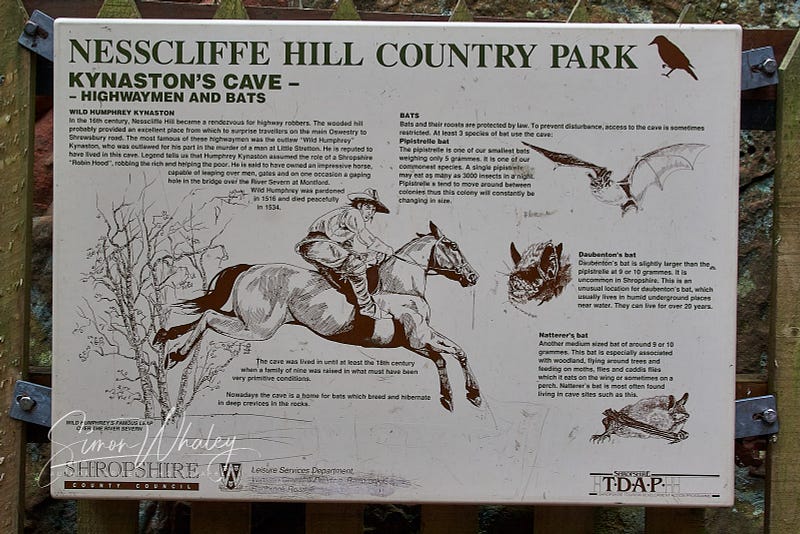
Such was the local fear of the horse, people named it Beelzebub, after the Devil. And whilst Sir Humphrey died in 1534, the devilish black horse lived on to terrorize people travelling through Nesscliffe Woods. If you should feel a hot breath on the back of your neck or hear thundering hooves, whilst walking through the trees, clutch your wallet or purse tightly, for Beelzebub may be after you!
6. Black Vaughan’s Kington, Herefordshire
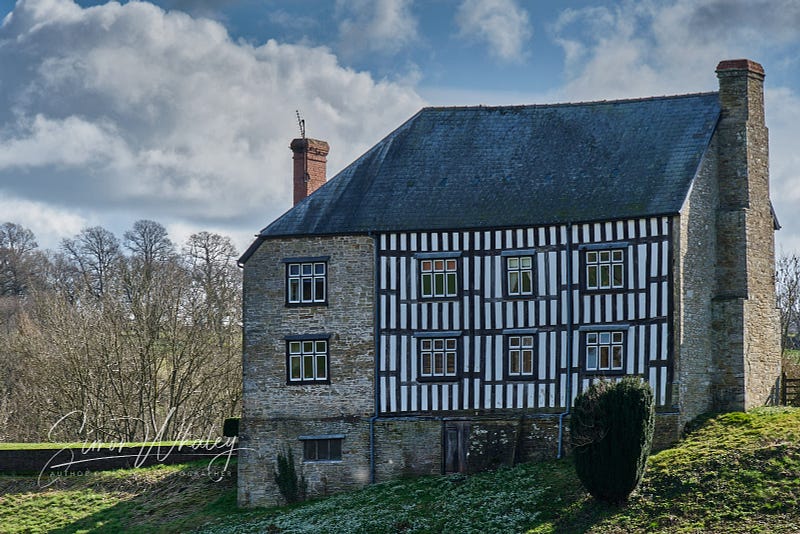
Herefordshire’s Black Vaughan was another character who tormented people in real life and continues to terrorize us in his afterlife. Lord Thomas Vaughan lived at Hergest Court, just outside Kington, and was a wicked Squire.
During the War of the Roses, he switched sides, such was his cunning. When he was beheaded at the Battle of Banbury in 1469, his faithful black hound galloped across the battlefield, picked up his head and ran all the way home to Hergest Court.
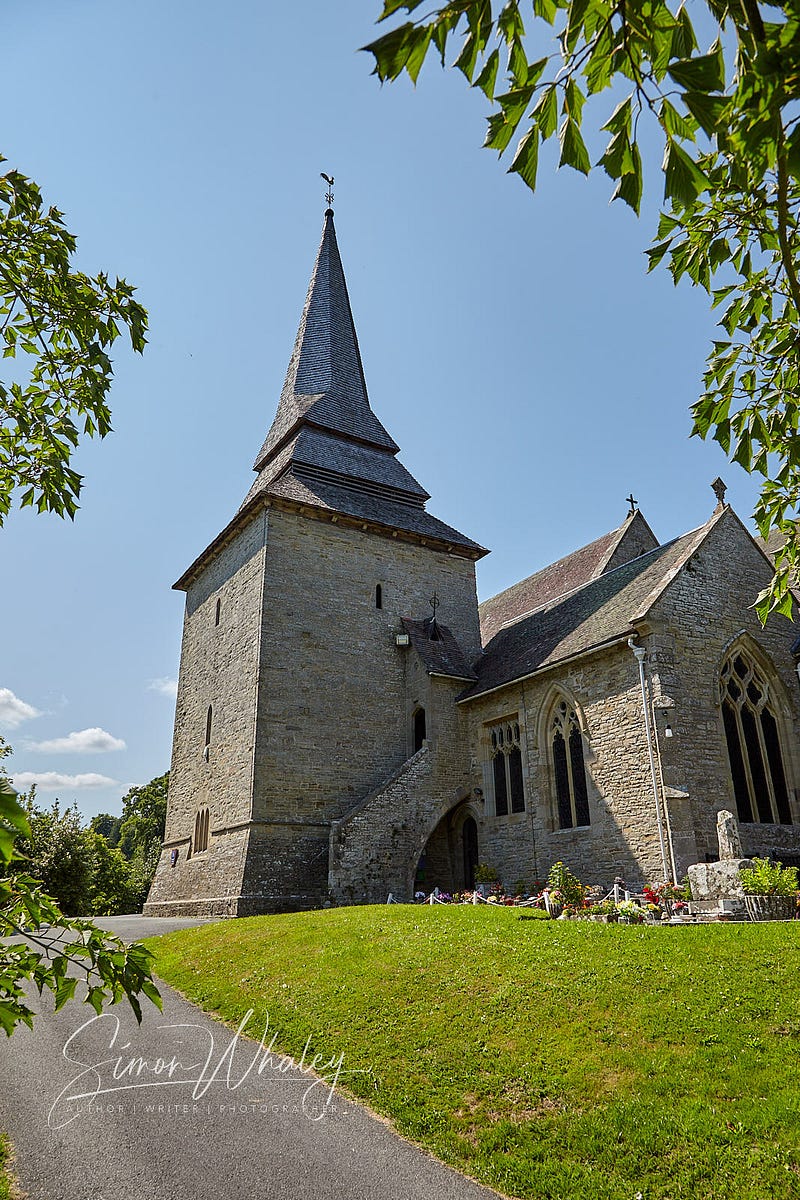
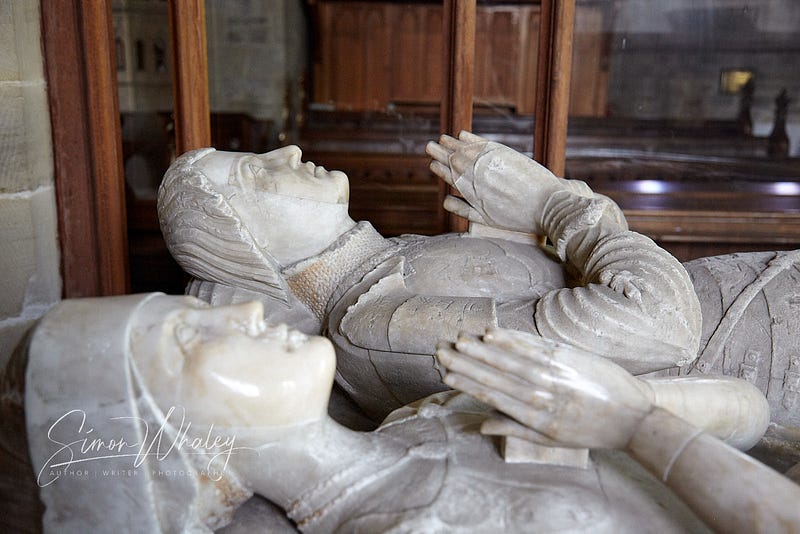
His headless body was buried in the family vault in Kington’s St Mary’s Church. Black Vaughan’s ghost often reappeared in the shape of a bull which would terrorize the locals, particularly on market day, sending stalls and goods flying. His effect on the Kington economy was so bad, that 12 priests were called in to exorcise the place. Together, they chanted and prayed and eventually reduced the ghost from a bull to the size of a fly and caught it in a snuff box. This was then buried under a huge stone slab at the bottom of a lake in the grounds of Hergest Court.
However, some locals believe that Black Vaughan lives on through his faithful black hound that is still seen wandering along the road between Hergest Court and Kington. Beware of stray black dogs if you’re in the area.
Some argue that Black Vaughan’s dog haunts many readers today. Sir Arthur Conan Doyle had family connections nearby and used to stay at the Baskerville Hall Hotel near Hay-on-Wye, less than nine miles as the crow flies. So, was Black Vaughan the inspiration behind his successful novel, The Hound of the Baskervilles? The stories of ghosts and ghouls transcend through time and are only kept alive because someone, somewhere, was out walking one day and witnessed a ghostly apparition. You have been warned!
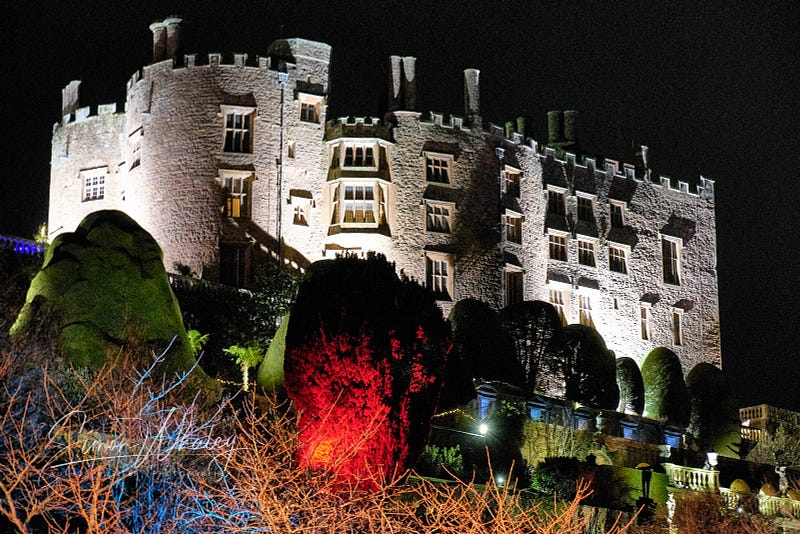
7. Powis Castle, Powys
Now owned by the National Trust, Powis Castle near Welshpool, dates back to the 13th century and is home to several ghosts. Staff often see a lady in black sitting beside the fireplace in the Duke’s Room. And, rather spookily, the piano in the Ballroom Wing can often be heard, despite all the doors and windows being locked.
So just be careful who you bump into, the next time you’re visiting Wales and the borders.
BOO!