
Seven Reasons You Will Want to Consume More Sulforaphane
What exactly is sulforaphane?
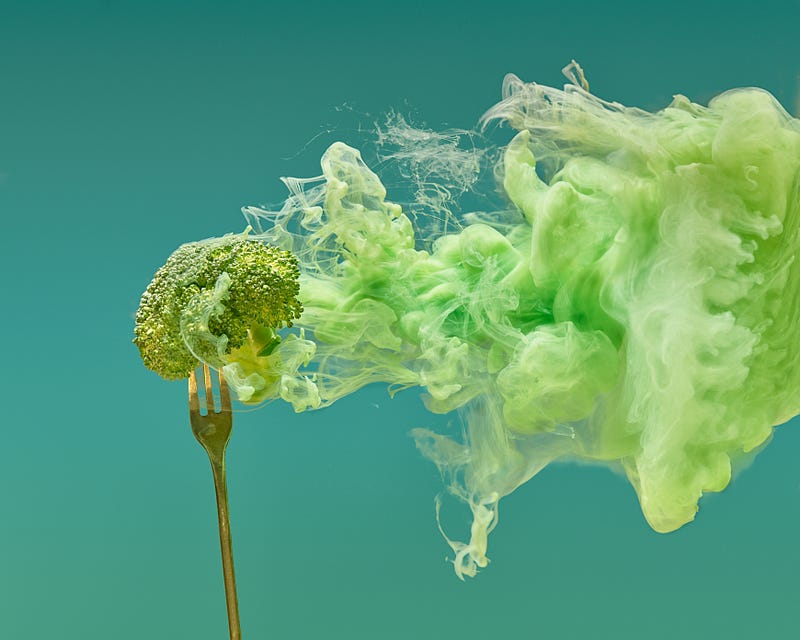
We see more and more information regarding the health benefits of eating fruits and veggies.
Well, a specific compound found in certain vegetables might just encourage you to swap the fries for a sulforaphane-filled veggie instead.
What is Sulforaphane?
Sulforaphane is a compound found in vegetables, most abundantly in broccoli, cabbage, brussels sprouts, and other cruciferous veggies.
That is a simplistic version as, technically, these vegetables contain a compound isothiocyanate. The particular isothiocyanate in cruciferous veggies is called glucoraphanin, a sulfur-containing compound. That is what gives a lot of these veggies that strong sulfur-type smell.
Once the veggie is eaten, it is converted to sulforaphane in our gut.
I know you didn’t click on this article for a botany lesson, so I will get on to the good stuff.
Seven Health Benefits of Sulforaphane
- Heart Health: Research demonstrates sulforaphanes’ potential to protect against cardiovascular disease. This protection is likely due to sulforaphane’s anti-inflammatory and antioxidant properties. Another study showed its potential to protect against chemically-induced heart damage.
- Promote Weight Loss and Prevention of Obesity: The European Journal of Pharmacology published a study in 2018 showing sulforaphane may improve the body’s response to leptin. Why is this important? Well, leptin is a hormone that helps regulate hunger signals and control fat storage. When leptin levels are high, your brain receives a message that you are full, so you stop eating. It also gets the message that you have enough fat stored, so you don’t need any additional fat stored. Glucoraphanin(found in broccoli and cauliflower) was found in another study to provide potential protection against obesity-related inflammation by browning white adipose tissue and enhancing energy expenditure. You know how salads always leave you hungry? Adding broccoli sprouts to our tossed greens might be a great appetite suppressing trick. Hmmm..
- It May Improve Liver Function: A study performed in 2019 by the journal Experimental Hematology showed sulforaphane reduced liver damage in rats with sickle cell disease. Another study showed liver protection and detoxification due to the creation of glutathione and triggering enzymes. Amazing what a little broccoli can do, isn’t it?
- Neutralizing Benzene Levels: A study in 2019 demonstrated the effects of sulforaphane on the detoxification of benzene. Benzene is a chemical that occurs naturally and through humans’ chemical processes. Naturally, it develops from forest fires and volcanoes. It is a component of crude oil, gasoline, and cigarette smoke. Benzene is widely used in the US for the development of several products. These products include resins, plastics, rubbers, synthetic fibers, and nylon. Additionally, they are used to produce detergents, dyes, drugs, and pesticides. It sounds like this nasty chemical is all around us!
- Anti-inflammatory: Acute inflammation is a normal response to injury or infection. It is the body’s healing response and is a good thing. On the other hand, chronic inflammation occurs when this response goes into overdrive and doesn’t shut off. Chronic inflammation is associated with cancer, diabetes, heart disease, and some autoimmune disorders like Crohn’s and ulcerative colitis. The World Health Organization(WHO) estimates that 70% of all deaths can be attributed to chronic inflammation globally. Sulforaphane appears to have an anti-inflammatory effect on multiple chronic diseases, including several autoimmune disorders. Can it really be that simple? Roasted brussels sprouts could improve my arthritis or my inflammatory bowel disease? Sounds good to me!
- Brain Health: According to a 2018 study published in the National Institute of Health, sulforaphane may have neuroprotective abilities against brain disorders due to its anti-inflammatory, antioxidant, and anti-tumor properties. Another study published in the Journal of Neuroinflammation in 2016 demonstrated sulforaphane’s ability to reverse cognitive disruption and potentially prevent neuronal disorders like Alzheimer’s disease.
- Anti-Cancer Abilities: There is a lot of focus on creating a cure for cancer. What if, in addition, we were to develop something that would prevent it in the first place? Well, that is precisely what scientists and researchers are trying to do. There is already a plethora of research and chemopreventive medicine being used. Chemoprevention uses a natural, biologic, or synthetic agent to prevent, suppress, or reverse the beginnings of cancer development. Some currently being used today are aspirin to prevent colorectal cancer, tamoxifen for those with a high risk of breast cancer, and the HPV vaccine for cervical cancer prevention. Sulforaphane demonstrates chemopreventative properties and the ability to be selectively toxic to malignant cells. These results were so profound that researchers suggest there may be clinical applications alone or combined with other therapeutic agents and management strategies. In addition, sulforaphane may have an affinity for specific types of cancer, particularly prostate and pancreatic cancer.
Foods That Contain Sulforaphane
- Broccoli
- Broccoli sprouts
- Brussels sprouts
- Cauliflower
- Cabbage
- Bok Choy
- Kale
- Arugula
- Watercress
Raw or lightly steamed veggies will have the highest amounts of sulforaphane.
There are supplements available, but real food is the best way to obtain this remarkable compound. Why? The power of synergy.
What is Synergy?
Multiple compounds in the plant work synergistically to produce better results with little to no side effects.
This synergistic affect occurs because some of the various compounds within the plant are different while others are similar. These compounds have an effect called homeostasis, which means they are working to do what the body needs at the time.
Too Good To Ignore
All veggies have their own bragging rights, but if you tend to alternate between peas, corn, or green beans, you may want to branch out and choose one of the sulforaphane-loaded veggies a little more frequently.
I eat almost all of the veggies on the list, but my go-to sulforaphane fix is broccoli sprouts. I put them on sandwiches, wraps, salads, and even toss some frozen sprouts in my smoothie. Freezing the sprouts increases the level of sulforaphane. Who’d have known?
Now that you know, what will you do to increase the amount of sulforaphane in your diet? How about adding some broccoli to your shopping list right now?
Here are some great recipes to get you started.
TUNA & BROCCOLI SALAD WITH HONEY VINAIGRETTE — Plan to Eat
Pan-Roasted Brussels Sprouts & Bacon — Plan to Eat
I am not an MD or nutritionist and am not providing nutrition or medical advice. The information discussed in this article is my interpretation of information solely based on my research. Please discuss any supplements or dietary changes with your healthcare provider.
You should get my posts sent right to your inbox. Do That Here! Also, if you’re not yet a Medium Member, you can join by using my referral link. For only $5/month, you’ll get unlimited platform-wide access to thousands of writers, including me, and, at no extra cost to you, I’ll receive a portion of your monthly fee. As a member, you will have the chance to make money with your writing as well. I made more than enough to cover my subscription after only writing for 3 months, and my earnings continue to grow.


