
Seven Reasons Sunflower Oil Is Good For You & Why You Should Use It
Elevate your cooking and health with sunflower oil, the unsung hero of essential fatty acids.
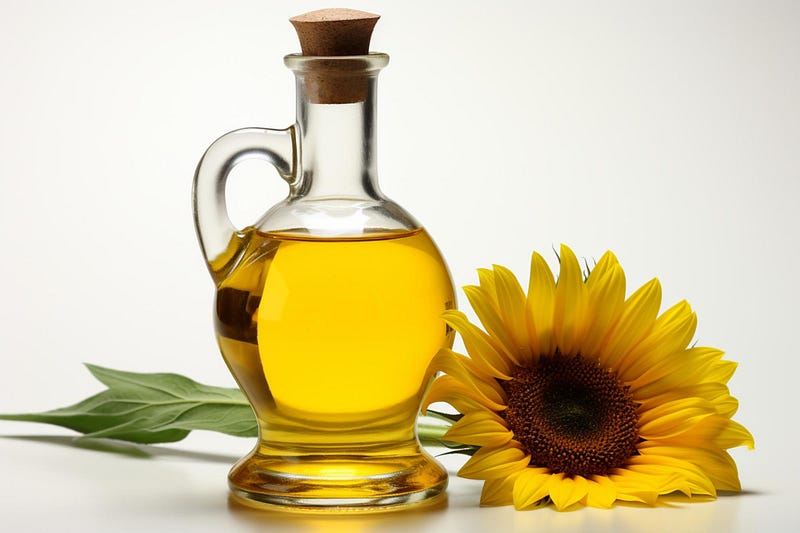
Sunflower beams it’s vibrant petals and steadfast gaze towards the sun, offers more than just aesthetic pleasure.
It gifts us sunflower oil, a versatile and health-enhancing medium.
This oil, derived from the seeds of the Helianthus annuus plant, has a history spanning thousands of years.
Native Americans were pioneers in recognizing its benefits, using it in culinary and medicinal realms.
It is mass-produced in countries including Russia, Ukraine, and Argentina.
The production involves cleaning the seeds, roasting, pressing, and refining to maintain the richness of nutrients and ensure purity.
A Nutrient Goldmine: What is Inside Sunflower Oil?
What sets sunflower oil apart in the vast array of culinary oils?
The research underscores its nutrient-dense profile. Predominantly, sunflower oil is a significant source of essential fatty acids, especially linoleic acid, an omega-6 fatty acid integral to various bodily functions.
Omega-6 fatty acids have been linked to brain health, bone maintenance, and skin regeneration.
However, the benefits continue beyond there. Sunflower oil also boasts a high concentration of vitamin E, an antioxidant known for its role in countering oxidative stress, fostering skin health, and potentially reducing disease risk.
In essence, this oil transcends culinary use, providing holistic nourishment.
The Underappreciated Elixir: Why Isn’t Sunflower Oil More Celebrated?
Sunflower oil’s remarkable health benefits often go unnoticed amidst popular oils like olive and coconut.
This overshadowing is partly due to its counterparts’ widespread marketing and historical popularity.
Additionally, while omega-6 fatty acids are essential, an imbalanced ratio of omega-6 to omega-3 in diets has been associated with inflammation[⁵^].
Given sunflower oil’s rich omega-6 content, without concurrent omega-3 intake, some health experts express reservations.
However, when integrated judiciously into a balanced diet, the health dividends of sunflower oil are undeniable.
Easy Accessibility: The Ubiquitous Nature of Sunflower Oil
It is not just about the benefits; sunflower oil stands out for its omnipresence and adaptability.
Ideal for frying, baking, sautéing, or even simple drizzling, its neutral flavour profile and high smoke point make it a culinary favourite.
Available ubiquitously, from upscale supermarkets to local vendors, it caters to diverse consumer needs with variants like high-oleic sunflower oil, enriched with more monounsaturated fats7.
This versatility and affordability ensure its steadfast position in global kitchens.
Infusing Everyday Cooking with Sunflower Magic
Rekindling our relationship with sunflower oil in today’s health-centric era seems imperative.
With its deep historical roots, nutrient-laden nature, and backed by scientific findings, sunflower oil emerges as nature’s benevolent provision.
While mindful consumption is key, given the fatty acid considerations, it is unjust to sideline the vast potential this oil offers.
Easily accessible, multipurpose, and underpinned by numerous health boons, sunflower oil is ripe for renewed recognition in our culinary and wellness spheres.
Sunflower oil is not just another culinary oil; its benefits stretch far beyond the kitchen, having implications for holistic well-being.
Let us delve deep into seven reasons why sunflower oil is a boon for your health, skin, hair, and more.
One: A Cardiovascular Health Enhancer
Sunflower oil, particularly its high oleic variant, stands out for its notable concentration of monounsaturated fats.
According to the American Heart Association, monounsaturated fats have been associated with the potential to reduce levels of low-density lipoprotein (LDL) cholesterol — often dubbed the “bad” cholesterol.
Elevated LDL cholesterol levels are a significant risk factor for heart diseases, as they can lead to a buildup of plaques in the arteries, increasing the risk of atherosclerosis.
By favourably modifying the lipid profile, sunflower oil can aid in protecting against heart diseases.
Another vital component of sunflower oil is vitamin E, a powerful antioxidant.
Antioxidants are compounds that help prevent or slow damage to cells caused by free radicals, and in the context of cardiovascular health, vitamin E’s role becomes particularly crucial.
Free radicals can oxidize LDL cholesterol, and once oxidized, LDL becomes more likely to adhere to artery walls, leading to plaque formation.
Vitamin E, as illustrated by studies such as Traber and Atkinson’s research, can prevent this LDL oxidation, thereby indirectly promoting a healthier cardiovascular system.
Two: Powerhouse of Vitamin E for Skin Protection
One of sunflower oil’s star components in skin health is vitamin E. This vitamin is renowned for its antioxidant properties, making it adept at neutralizing free radicals.
Free radicals are unstable molecules that can damage skin cells and contribute to premature aging and other skin conditions.
In the context of skin health, vitamin E’s role in combating oxidative stress is paramount.
A study in the “Journal of the American Academy of Dermatology” highlighted the potential of topical vitamin E in protecting against UV-induced free radical damage to the skin.
Given that sunflower oil is a natural and abundant source of vitamin E, its application can provide a protective barrier against environmental aggressors.
Fatty acid is pivotal in maintaining the skin barrier’s integrity and hydration.
A study published in the “Journal of the Academy of Nutrition and Dietetics” detailed the importance of linoleic acid in skin health, emphasizing its role in preventing transepidermal water loss and ensuring skin hydration by supporting the skin’s natural barrier.
Sunflower oil aids in keeping the skin moisturized and resilient against external threats.
Beyond hydration and antioxidant defence, sunflower oil’s anti-inflammatory properties make it a valuable ally for skin health. Inflammation can be a response to various skin stressors, from UV exposure to pollutants.
The anti-inflammatory effects of sunflower oil can help reduce redness and soothe the skin.
A “Pediatric Dermatology” study found that newborns massaged with sunflower oil experienced fewer skin conditions than those without, emphasizing its gentle and soothing properties.
Three: A Natural Solution for Healthy Hair
Like its benefits for the skin, sunflower oil’s rich vitamin E content is a boon for hair health.
Hair is frequently exposed to various stressors, from environmental pollutants to excessive heat from styling tools.
These factors can introduce free radicals, which cause oxidative stress, weakening the hair shaft and leading to breakage and loss of shine.
According to a study published in the “Journal of Cosmetic Dermatology,” antioxidants like vitamin E effectively reduce damage caused by these free radicals on hair.
As sunflower oil is an ample source of this vitamin, its application can offer a protective layer against daily stressors, keeping hair strong and radiant.
Linoleic acid helps to maintain the scalp’s natural barrier, preventing moisture loss from the scalp and hair shaft. A balanced scalp environment is essential for hair health, and a moisturized scalp can help prevent issues like dandruff and dryness.
Research in the “Journal of Cosmetic Science” indicated that oils rich in linoleic acid can penetrate the hair shaft, thereby reducing hair’s water uptake and helping prevent hygral fatigue, which refers to the weakening of hair due to repeated wetting and drying cycles.
Sunflower oil, with its light texture and non-greasy feel, is a natural emollient. This means it can smooth and coat the hair cuticle, reducing frizz and adding shine.
Sunflower oil’s emollient properties help detangle hair, making it more manageable.
Additionally, a study in the “International Journal of Trichology” emphasized plant oils’ role in protecting hair from damage by enhancing its tensile strength and reducing combing forces. This results in hair that looks healthier and feels softer to the touch.
Four: Promoting a Balanced Inflammation Response
While omega-6 fatty acids in sunflower oil have occasionally been under the scanner for potentially promoting inflammation, it is crucial to contextualize this.
Omega-6s are precursors to eicosanoids, compounds involved in inflammation processes
However, inflammation is not inherently bad; it is the body’s defence mechanism.
Problems arise only when there is a chronic, uncontrolled inflammatory response. When sunflower oil is consumed as part of a balanced diet, with adequate omega-3s, it does not exacerbate inflammation and ensures the body’s normal response is maintained.
Linoleic acid serves as a precursor to arachidonic acid, which can subsequently be converted into pro-inflammatory and anti-inflammatory molecules in the body.
Research in the “Journal of Clinical Investigation” has shown that one of these molecules, lipoxin A4, plays a crucial role in resolving inflammation and initiating the healing process.
This indicates that when balanced with omega-3 intake, linoleic acid from sunflower oil can contribute to a controlled and beneficial inflammatory response.
Sunflower oil’s high vitamin E content is another reason it can influence the body’s inflammatory processes.
Vitamin E has been recognized for its potent antioxidant properties, which directly counter oxidative stress — a key contributor to chronic inflammation.
Studies, such as one published in the “Free Radical Biology & Medicine” journal, have indicated that vitamin E can modulate the production of inflammatory cytokines and prevent the activation of immune cells involved in the inflammatory response. This helps in reducing the overall inflammatory burden on the body.
Five: A Boost for Brain Health
Sunflower oil’s richness in vitamin E has significant implications for brain health. Vitamin E is a potent antioxidant that helps combat oxidative stress — a process that damages cells, including those in the brain.
Oxidative stress is a major factor in cognitive decline and neurodegenerative diseases.
A study published in the “Archives of Neurology” revealed that higher vitamin E intake was associated with a reduced risk of developing Alzheimer’s disease.
By helping to neutralize free radicals in the brain, the vitamin E from sunflower oil can potentially play a role in preventing cognitive decline and supporting overall brain function.
Sunflower oil contains phospholipids, crucial components of cell membranes, especially in the brain.
Phospholipids, such as phosphatidylcholine and phosphatidylserine, are essential for the structure and function of brain cells.
They aid in cellular communication and are involved in several brain processes. According to research in the “Journal of Clinical Biochemistry and Nutrition,” dietary supplementation of phospholipids can positively influence brain function. It might be beneficial for conditions like dementia and other cognitive disorders.
Six: Potential Anti-cancer Properties
Antioxidants play a pivotal role in protecting the body’s cells from damage by free radicals. Such damage, especially when it affects DNA, can be a precursor to cancer development.
A study published in the “European Journal of Nutrition” observed that vitamin E, due to its antioxidative properties, can reduce DNA damage and potentially lower cancer risk.
Given that DNA damage from oxidative stress is a recognized pathway to carcinogenesis, the antioxidant properties of sunflower oil can be part of a holistic strategy to reduce cancer risk.
Sunflower oil contains phytosterols, plant-based compounds with a structure similar to cholesterol. Numerous studies have evaluated the potential anti-cancer properties of phytosterols.
For instance, research published in the “Journal of Nutritional Biochemistry” found that phytosterols could inhibit the growth of breast and colon cancer cells.
The mechanisms underlying these benefits are multifaceted and may involve the modulation of cell membrane integrity, lipid metabolism, and inflammation.
Therefore, phytosterols in sunflower oil further underscore its potential role in cancer prevention.
Some studies, such as those published in “Cancer Research,” have found that linoleic acid can promote the growth of tumour cells under specific conditions.
However, other studies indicate potential anti-cancer properties, particularly when consumed in balance with omega-3 fatty acids.
It is crucial to understand that while sunflower oil has components that can offer anti-cancer benefits, a holistic dietary approach that balances various nutrients and fats is essential for optimal health outcomes.
Seven: A Digestive Health Ally
The gastrointestinal tract is lined by a protective barrier that keeps pathogens and harmful substances from entering the bloodstream.
Oxidative stress can compromise this barrier, leading to increased intestinal permeability or “leaky gut”, which may be implicated in gastrointestinal disorders.
A study in the “World Journal of Gastroenterology” highlighted the importance of antioxidants, like vitamin E, in maintaining the integrity of the gastrointestinal barrier.
Vitamin E from sunflower oil can help support a healthy digestive lining by counteracting oxidative damage, ensuring efficient nutrient absorption and reducing the risk of gastrointestinal disturbances.
The fat content in sunflower oil can enhance the digestive system’s ability to absorb fat-soluble vitamins such as A, D, E, and K. Adequate dietary fat is crucial for emulsifying and absorbing these vitamins in the intestines.
The body may efficiently extract and utilize these essential nutrients with sufficient fat, leading to potential deficiencies.
A review in the “Annual Review of Nutrition” emphasized the role of dietary fats in the absorption of fat-soluble vitamins and their importance in overall health.
Thus, by incorporating sunflower oil into a balanced diet, individuals can ensure optimal absorption of these vital vitamins, promoting overall digestive health.
Embracing Sunflower Oil: A Pantry Essential
Sunflower oil stands out not only for its delightful golden hue but also for its impressive array of health benefits.
The oil encapsulates nature’s brilliance, from supporting cardiovascular and brain health to fostering radiant skin and strong hair.
Its rich vitamin E content, robust line of antioxidants, and essential fatty acids make it a must-have for anyone aiming to elevate their dietary regimen.
As science continues to unearth its myriad benefits, it is evident that sunflower oil merits a cherished spot in our kitchens and our hearts.
Versatile and Culinary-Friendly
Sunflower oil’s mild flavour and high smoke point make it exceptionally versatile in the culinary world.
For everyday cooking, it is ideal for sautéing vegetables, grilling meats, or roasting potatoes to a perfect golden brown.
Its neutral taste ensures that the original flavours of your ingredients remain unaltered, letting the freshness of your produce shine.
Baking enthusiasts can also rejoice; sunflower oil can be a healthier alternative to butter or other oils, giving your cakes and muffins a moist texture without overpowering them with a strong flavour.
Incorporating Sunflower’s Golden Magic
The options are bountiful for those looking to infuse their meals with sunflower oil’s goodness. Start your day by whisking it into smoothies or drizzling over avocado toast.
Create delightful salad dressings by blending sunflower oil with lemon juice, herbs, and honey.
Moreover, it is perfect for making homemade mayonnaise or aioli, lending a light texture and delectable creaminess.
Marinate your meats with sunflower oil, herbs, and spices for a heartier approach, ensuring a tender and juicy result.
By weaving sunflower oil into your meal planning and cooking, you effortlessly incorporate a powerhouse of nutrients, bringing wellness to every plate.
Please help support all the wonderful writers on this platform by subscribing to Medium here. It helps to encourage writers like myself who want to make a positive difference in people’s lives. I will receive a portion of your membership fee if you sign up through my link.
You can also follow me on YouTube for the latest, science-backed research on health, weight and weight training, and an endless supply of healthy recipes.
You may also like to download my FREE Fat Loss Recipe book.
I appreciate your support.
Disclosure: The construction of this informative post and all of the scientific research for this article were assisted by A.I. technology.


