
Seven Lake District Back Waters
Where to go to avoid the tourists in the UK’s busiest national park
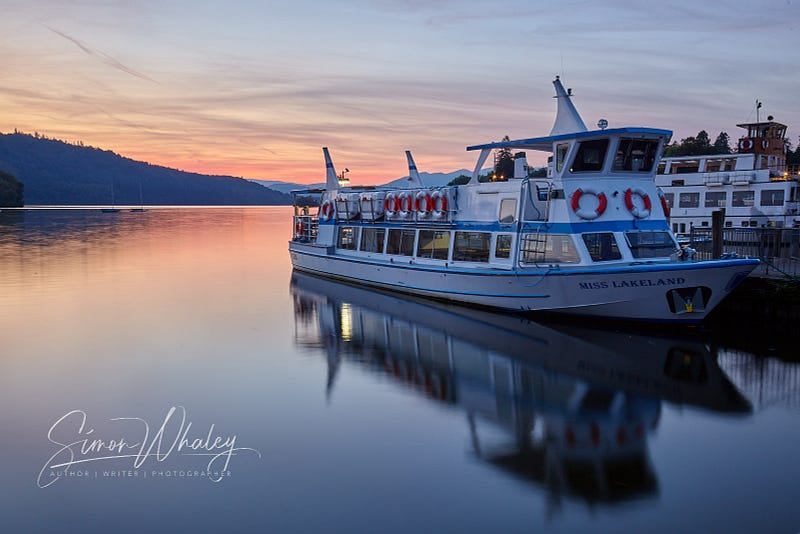
The Lake District, England’s largest national park, only has one lake — Bassenthwaite Lake. All the other bodies of water are meres, waters, or tarns.
More than 16 million visitors explore the 885 square mile national park annually, with most of them heading for the larger lakes of Windermere, Derwent Water and Ullswater. All three offer boat trips, which is a fantastic way to see the park’s mountains and fells from a different viewpoint. And it’s a popular viewpoint. One company, Windermere Lake Cruises, carries more than one million tourists every year, and is the most popular tourist attraction in the Lake District, and one of the top 20 attractions in the entire UK.
But it is possible to avoid the crowds by seeking out the quieter lakes, and your efforts for doing so will be rewarded with better scenery.
These seven ‘back water’ lakes may not have pleasure craft offering round-the-lake cruises, but they offer an opportunity to experience the real Lake District, whilst discovering some of its interesting history.
Loweswater
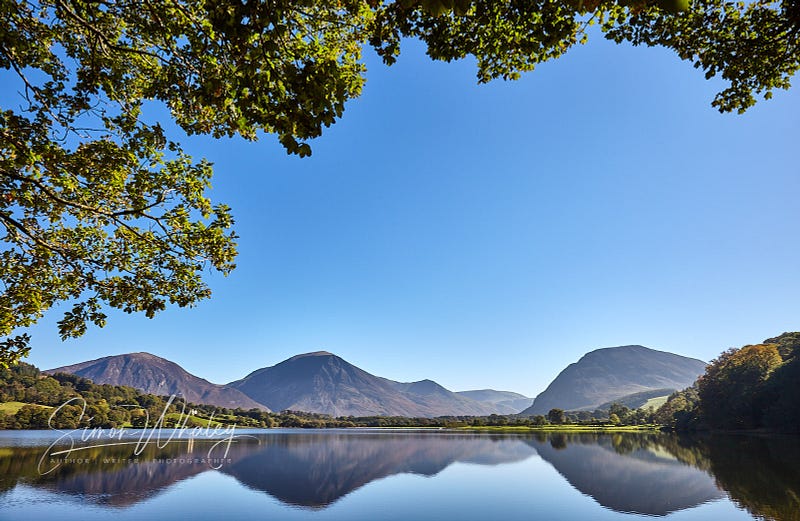
Lying approximately 13 miles west of Keswick, Loweswater’s name comes from the old Norse, laufsaer, which means leaves, so it’s also known as the Leafy Lake. A relatively level shore-side footpath from the car park at Maggie’s Bridge takes visitors through Holme Wood, a traditional English wood of alder, oak, lime, chestnut, ash and sycamore, which is the perfect home to the native red squirrel.
The western tip of Loweswater lies less than 500-yards from the national park boundary, yet on a clear, still day, the views, and reflections across this mirror-like 150-acre lake are some of the best to be found in the country. Unlike all the other Cumbrian lakes, which drain away from the centre of the park, Loweswater is the only major lake that drains into the park.
For six months of the year, Loweswater is home to Hunter Davies (biographer for Manchester United footballer, Wayne Rooney, The Beatles and Lake District walking legend, Alfred Wainwright) and his novelist wife, Margaret Forster.
Esthwaite Water
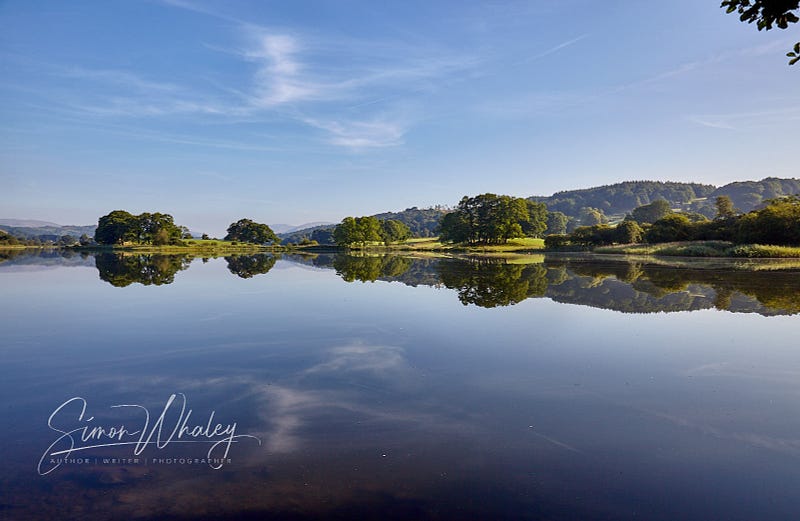
Esthwaite Water is sandwiched between England’s longest lake, Windermere, and Coniston Water, venue for many water speed records. Visitors often see Esthwaite Water when traveling from Beatrix Potter’s house, Hill Top, at Near Sawrey, to nearby Hawkshead. Using quiet roads and lanes, it’s possible to walk around this 280-acre lake, but those in the know take to their fishing boats. Esthwaite Water is the most nutrient-rich body of water within the park, making it ideal fishing for trout and pike, and the occasional passing osprey!
A young William Wordsworth, who went to nearby Hawkshead Grammar School in 1778, aged 8, enjoyed paddling in its waters. Such was his affection for Esthwaite Water that he mentions it twice in The Prelude.
Crummock Water
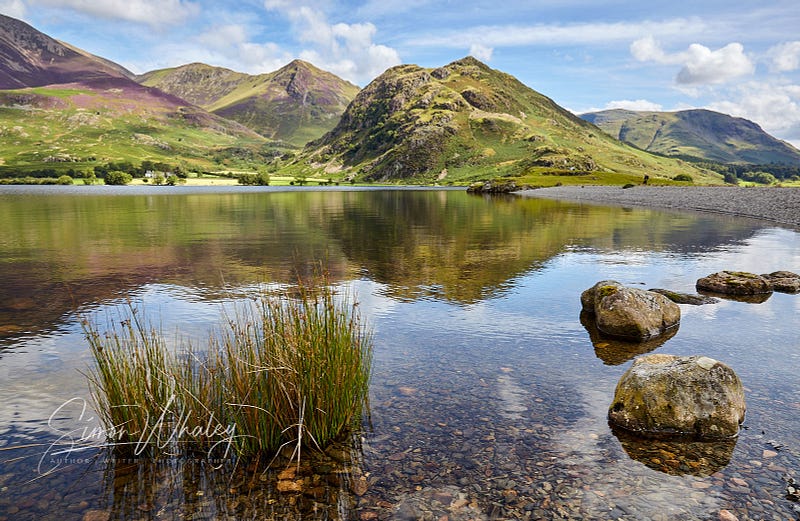
Crummock Water is the 10th largest body of water within the park, and its name derives from the Norse word for Crooked One. Lying 14 miles by road from Keswick, it’s 2 ½ miles long, three quarters of a mile wide, and up to 140 feet deep. Two main sources feed the lake. One is the short, but idyllic, Buttermere Dubs stream. The other is the impressive Scale Force waterfall, one of the highest in the Lake District, with a total height of 170 feet and a single drop of 120 feet. It is widely believed that Crummock Water was joined to neighbouring Buttermere millennia ago, for the two are separated only by a narrow, half-mile strip of farmland.
Buttermere
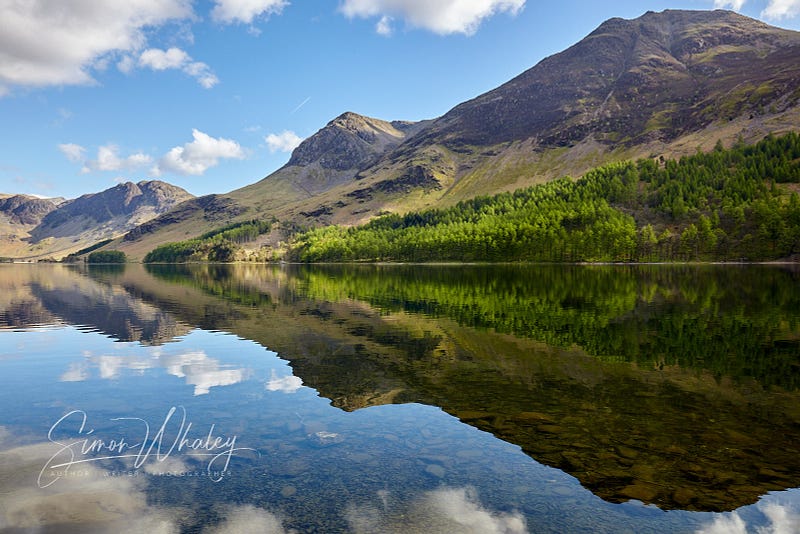
Buttermere is a far better choice than Crummock Water for those seeking a gentle afternoon’s lakeside amble. The 11th biggest lake within the park has a comfortable, relatively level, four-mile circumference. The small hamlet of Buttermere is popular with walkers keen to climb the 1,960-feet-high Haystacks, the favourite mountain of walking legend, Alfred Wainwright, whose ashes are scattered around Innominate Tarn, near its summit.
In the early 19th century, Buttermere was the source of a national scandal, when Mary Robinson, known locally as the Maid of Buttermere (because she was the most beautiful woman in the area) unwittingly married a bigamist imposter, John Hatfield. This was only discovered when the local poet, Samuel Taylor Coleridge, wrote about the wedding in a London newspaper. Hatfield fled to Wales, but was eventually caught, before being tried and hanged in Carlisle.
Both Buttermere and Crummock Water are best approached from the east. That involves negotiating several one-in-four gradient ascents and descents through the 1,100 feet high Honister Pass, which explains why many coach tours fail to reach these magical lakes!
Moss Eccles Tarn
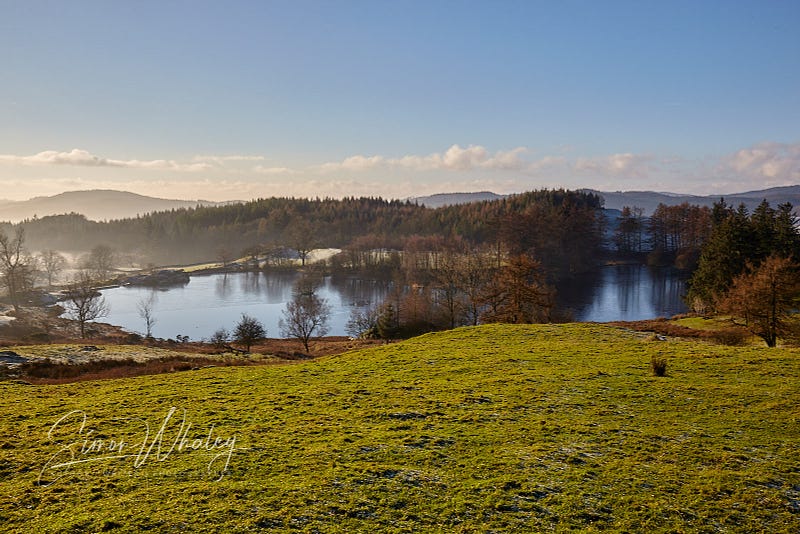
Thousands of visitors go to author Beatrix Potter’s home, Hill Top, at New Sawrey, yet most ignore the gentle two-thirds of a mile climb along the lane opposite to Moss Eccles Tarn. This intimate, five-acre body of water is full of water-lilies and bordered by rhododendrons, and was once owned by Beatrix Potter herself. She regularly rowed a boat on its waters to help her creative muse — which inspired her book, The Tale of Mr Jeremy Fisher, all about a gentleman frog.
Ennerdale Water
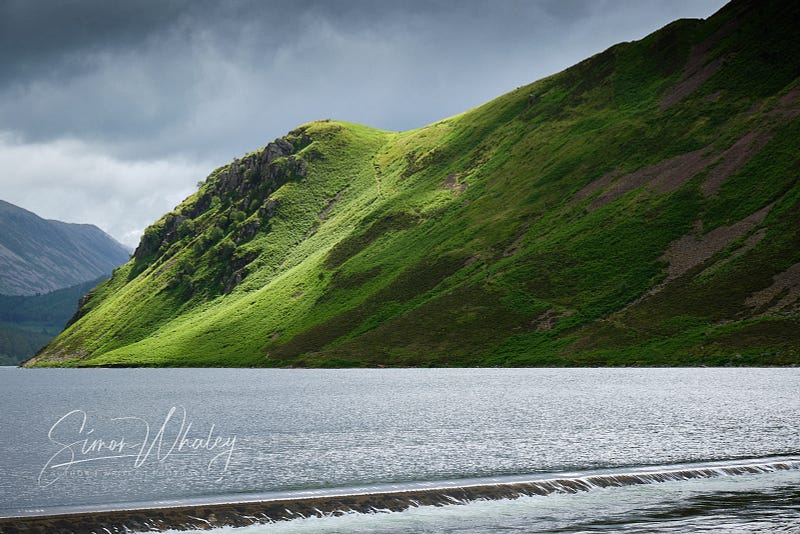
Ennerdale Water’s claim to fame is it’s the most westerly of lakes in the national park, which means accessibility is a little more trickier, especially from the park’s more popular central region. It’s a two-and-a-half-mile long glacial lake, and is the only lake that does not have a road running alongside it.
Although it is a natural lake, it now acts as a reservoir supplying water to the nearby town of Whitehaven.
While there may not be a road along its length, there’s a great footpath around its circumference, offering the perfect opportunity to explore the skyline from all angles. Park at Bleach Green Car Park to pick up the lakeshore path.
Brothers Water
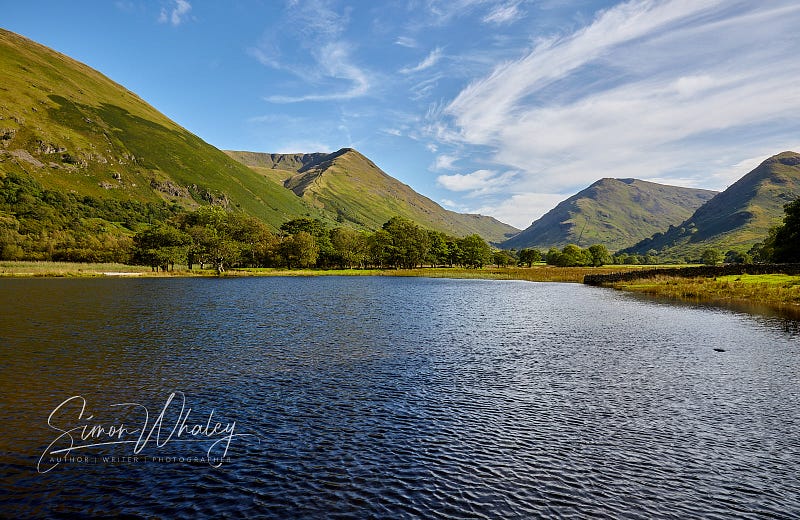
At the foot of the Kirkstone Pass, linking Windermere with Ullswater, Brothers Water is confused. It is either the Lake District’s smallest lake, or its largest tarn. Named from the old Norse word, Brothir, which means broad, it was known as Broad Water until renamed in the 19th Century, when two brothers tragically died in its waters after falling through thin ice.
Taking the level path along its western shore enables visitors to walk alongside some of the oldest oak woodlands found anywhere in the Lake District. It’s also the route Dorothy Wordsworth took on Good Friday in 1802, the day after she’d spotted those famous daffodils on the banks of Ullswater. William sat nearby, writing poetry, whilst Dorothy went exploring. In her diary, she wrote, “I was delighted with what I saw. The water under the boughs of the bare old trees, the simplicity of the mountains, and the exquisite beauty of the path.” Today, both Dorothy and William would recognise the path along Brothers Water.
So, whilst Windermere, Ullswater, and Derwent Water draw the crowds, these seven seductive shorelines offer a tantalising glimpse of the Lake District without the tourist trappings. For these uncommon waters, small is most definitely beautiful.
Watery Lake District Statistics
- Wastwater is England’s deepest lake, with a depth of 258 feet.
- The boat, Lady of the Lake, operated by the Ullswater Steamer Company, was launched in 1877. It is the oldest working passenger vessel in the world.
- Coniston Water was popular for world record speed attempts because it is the longest straight stretch of deep water, devoid of islands, than any other English lake.
- Ennerdale Water is the only large lake in the Lake District without a road running alongside it.
- Haweswater was created in 1929 when the world’s first hollow-buttress dam was built.
- Derwent Water has a floating island that often appears at the end of summer. It’s a mass of soil and decayed plants that rises to the surface on a bed of natural gasses and sinks again, when the gasses have dissipated.
- In November 2009, heavy rain caused horrendous flooding in Cumbria. The surface of Windermere (10 ½ miles long) rose by over 5 feet, when an extra 9,900,000,000 gallons of rain water drained into the lake — 5,800,000,000 of which poured in within 36 hours.
- Seathwaite, a couple of miles from Buttermere, is England’s wettest inhabited place, with an annual average rainfall of 140 inches.