avatarMatej Batič

Summary

Sentinel Hub has released a new Python tool, s2cloudless, for cloud detection in Sentinel-2 data, enhancing the utilization of Earth Observation data.

Abstract

Sentinel Hub has introduced the s2cloudless Python tool to improve cloud detection in Sentinel-2 imagery. This tool is part of the sentinelhub-py library and is designed to help users extract more value from Earth Observation (EO) data. The cloud detector is based on a single-scene pixel-based algorithm developed by Sentinel Hub's research team, which was previously discussed in a blog post by Anže Zupanc. The package includes a classification model and helper classes to facilitate cloud detection, and it has been made publicly available on GitHub. The tool aims to address the challenges of cloud detection in satellite imagery, particularly in areas like Acatenango in Guatemala, which are frequently covered by clouds. Users can access a Jupyter notebook example to learn how to generate cloud masks from a given bounding box and time frame.

Opinions

  • The release of s2cloudless is seen as a significant contribution to the EO community, providing a robust tool for cloud detection.
  • Sentinel Hub emphasizes the importance of community testing and feedback, suggesting that exposing the algorithm to expert scrutiny will lead to improvements and refinements.
  • The inclusion of a Jupyter notebook example demonstrates a commitment to user-friendliness and accessibility, ensuring that users can easily implement the tool in their workflows.
  • The tool's development is based on the belief that machine learning can significantly improve cloud detection methods, as previously outlined in Sentinel Hub's research.

Sentinel Hub Cloud Detector — s2cloudless

With the sentinelhub-py library out in the open, we are happy to add another Python tool to help you untangle the value from the EO data: Sentinel Hub cloud detector for Sentinel-2 data.
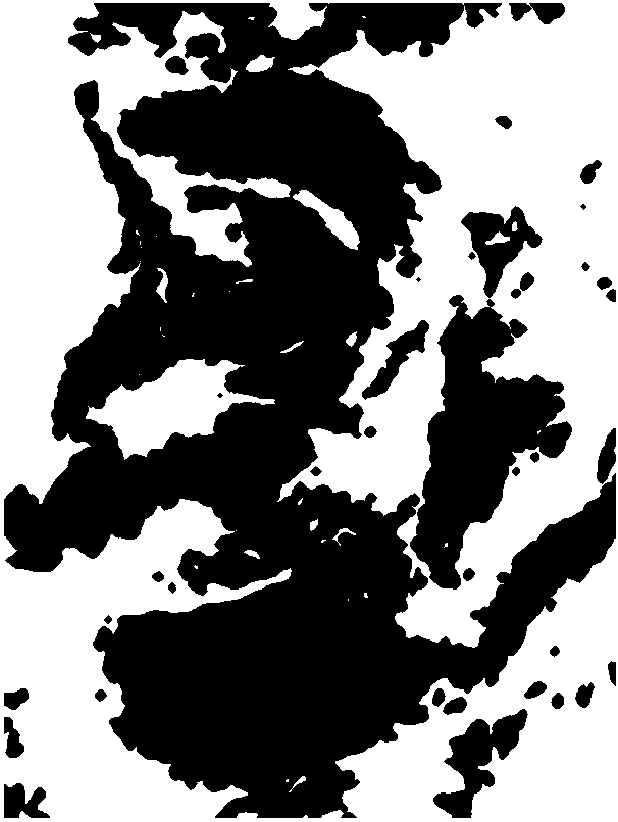
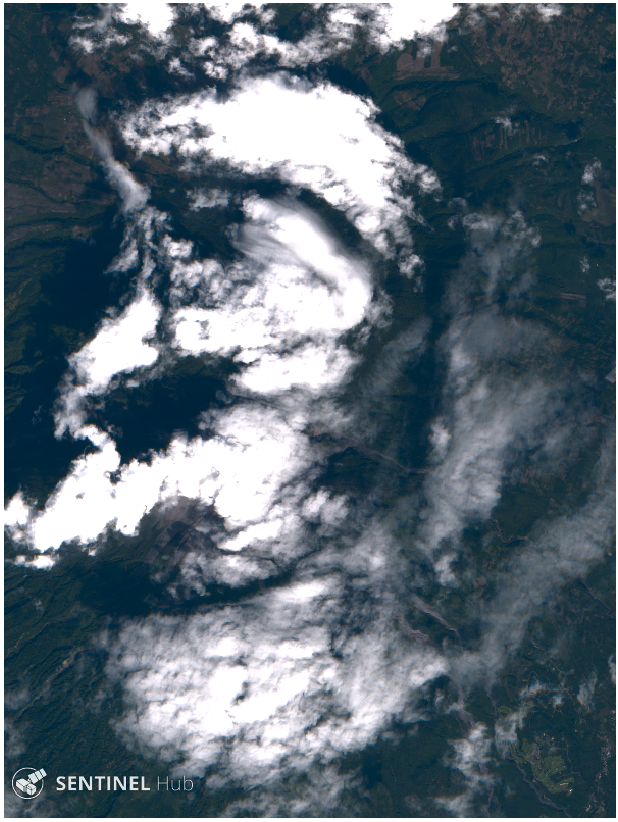
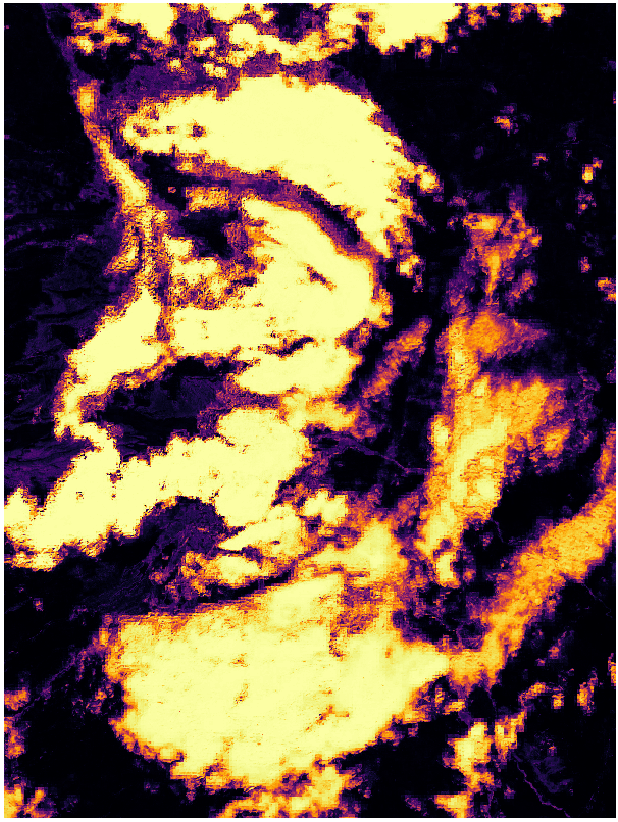
Acatenango area in Guatemala is well known for its coffee plantations. At the altitute about 2000 m and given it’s climate, it is often veiled in clouds. Middle image is natural color image, binary cloud mask is on the left, and cloud probability map is on the right.

In previous blog post about the clouds and Sentinel-2 data, Anze Zupanc already discussed the problems of cloud detection, and presented a solution to the problem. As we believe that the best way to (stress) test the algorithm is to expose it to as many expert eyes as possible, we are publishing the package containing the classification model and some helper classes to get you going: s2cloudless.
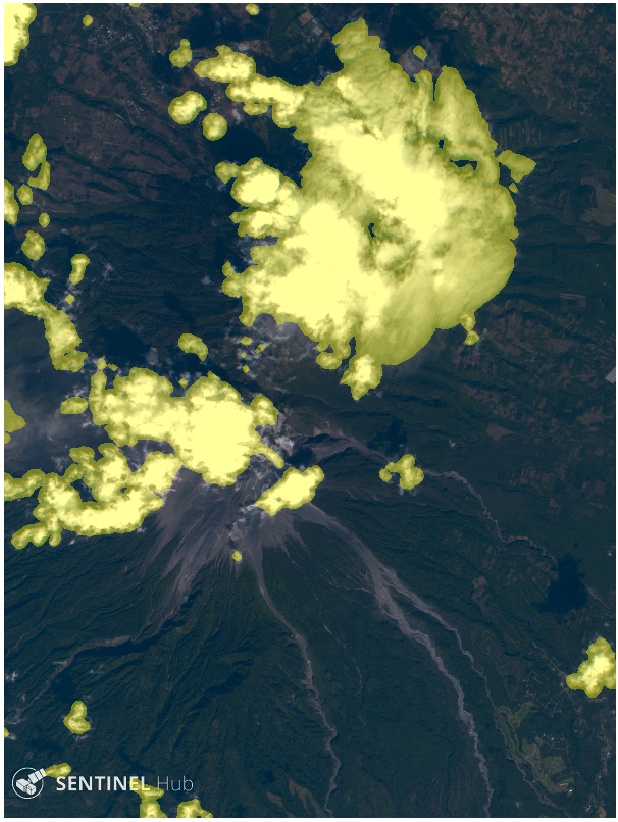
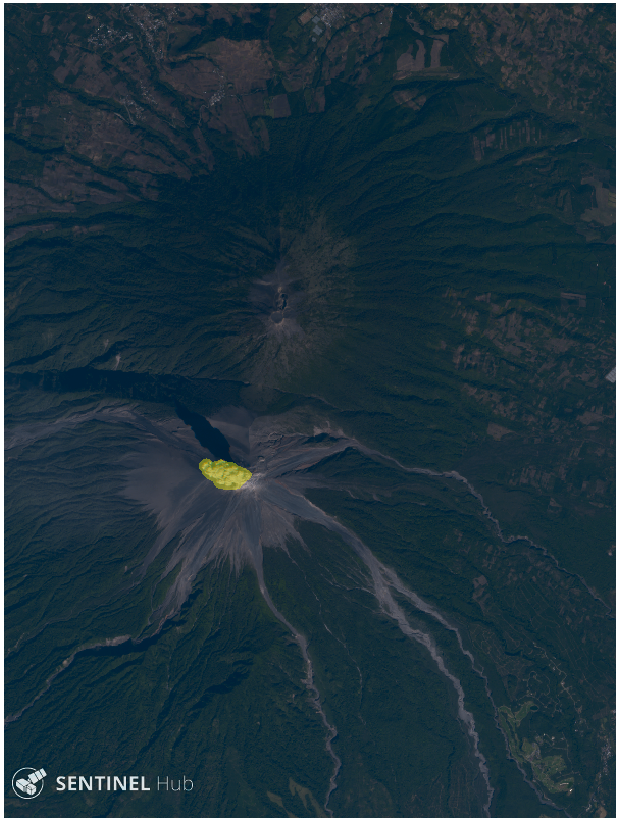
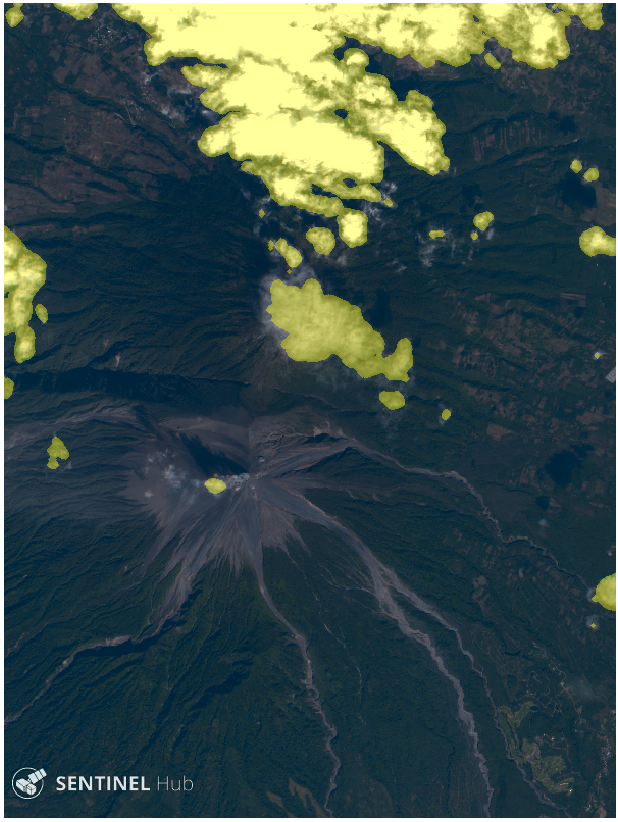
Some more examples, overlayed with semi-transparent cloud mask.

The package provides an automated cloud detection for Sentinel-2 imagery, and the classifier is based on a single-scene pixel-based cloud detector developed by Sentinel Hub’s research team, as described in more details here.

Enjoy hunting down the ☁️!
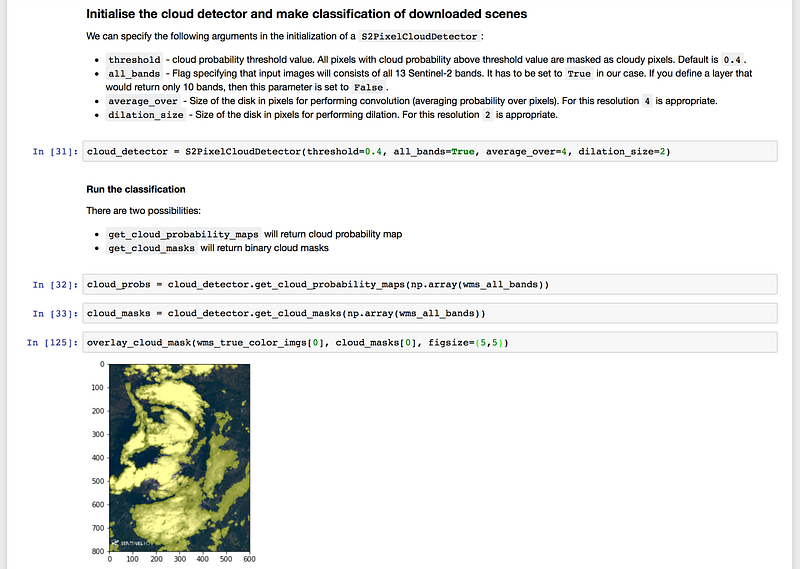
Jupyter notebook in the examples will walk you through the procedure to get from the bounding box and time to the cloud mask.
Data Science
Sentinel Hub
Sentinel 2
Machine Learning
Cloud Detection
Recommended from ReadMedium