Sent to “The Hole”
Solitary Confinement Of Black Men In US Prisons
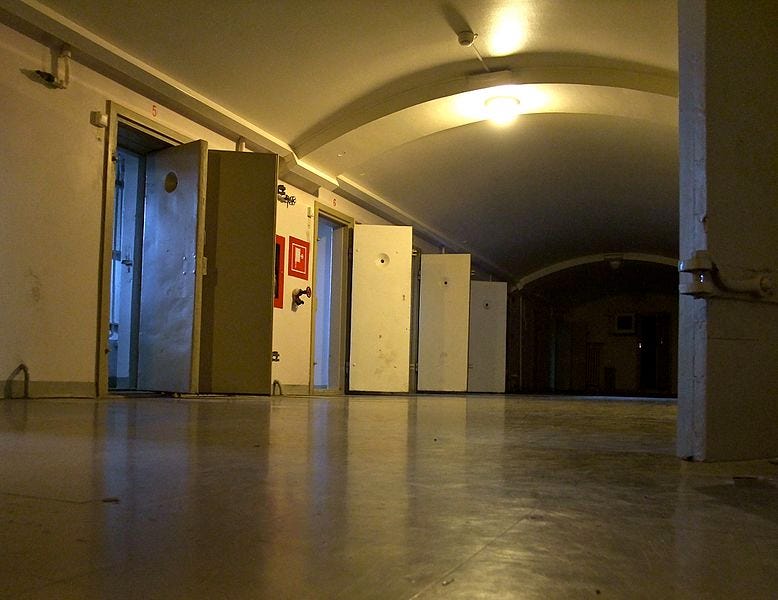
Prepare yourself for an absolutely shocking statistic.
Prison records from Pennsylvania from 2007 to 2018 show that 9 per cent of all black men born between 1986 and 1989 had been held in prolonged solitary confinement in state prisons for at least 15 consecutive days before reaching the age of 32.
The comparable figure for Latino men was 3 per cent and for white men it was 1 per cent.
Pennsylvania is regarded for this purpose as being typical of all American states except those few where solitary confinement has been banned.
Solitary confinement consists of isolating a prisoner in his cell for at least 22 hours a day without any mental stimulation or contact with anyone else. This treatment has been recognised as torture by the United Nations.
Research has shown that such treatment can lead to psychotic disorders and post-traumatic stress disorder. People who have been subject to it are 78 per cent more likely to die by suicide on release from prison within a year, and 127 per cent more likely to die from a drugs overdose within the first two weeks.
One might imagine that this extreme treatment would be meted out in response to particularly violent behaviour within the prison, but research has shown that this is only true in 12 per cent of cases. Offences such as possession of contraband or being verbally threatening can also be punished in this way.
It is hard to imagine that this state of affairs is divorced from extreme racial prejudice. One reason why so many more black men than Latinos or whites suffer this way is because many more black men are incarcerated in the first place, and that of course raises many more questions. However, it would appear to be the case that the prejudice of the legal system against black men continues beyond the courts into their condition after imprisonment.
The use of solitary confinement is surely counter-productive. American prisons like to call themselves Corrections Centres, but one has to wonder what they think they are correcting. Do they really imagine that people who have been subject to such terrible treatment turn into model citizens the moment they are set free?
The products of such barbarity are far more likely to have been destroyed mentally if not physically as human beings and stand a very good chance of committing far worse crimes in the future than they did in the past.
How much more appropriate it would be to counter antisocial behaviour in prisons with activities such as education and sports that enable inmates to develop interpersonal and physical skills that will stand them in good state once they finish their sentences. Is that not much a better definition of correction?
For other similar pieces, see my List:
For my Twitter feed of links to other pieces, and quotes, follow @welfordwrites
*************************************************************
Follow this link to join Medium, where you can read many more pieces by me and other members, if you have not already done so!
If you do, please be aware that a portion of your (very low!) membership fee will go to me.


