
Senior UI/UX Designers Dish Out Tips for Crafting Addictive User Journeys
The Path to Crafting Compelling User Journeys
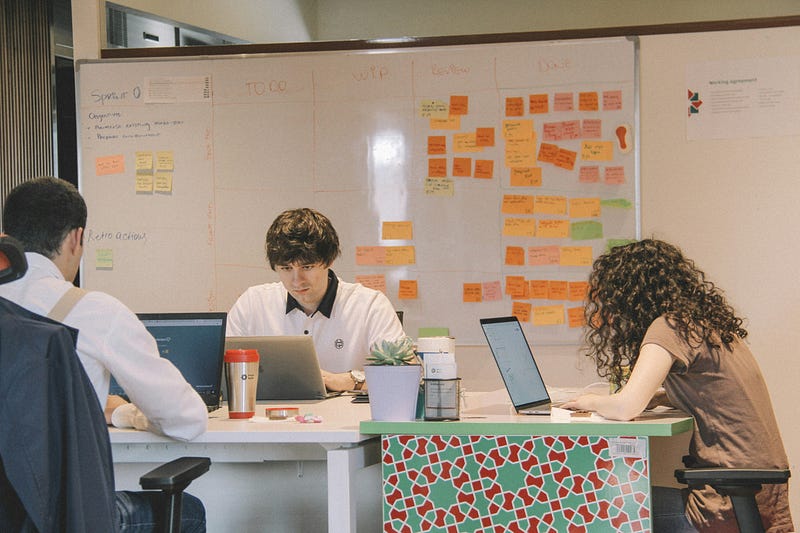
Where countless apps, websites, and digital platforms compete for users’ attention, the art of crafting addictive user journeys has become more crucial than ever.
It’s not merely about attracting users; it’s about keeping them engaged, delighted, and coming back for more.
Within this dynamic arena, senior UI/UX designers stand as the architects of captivating digital experiences, armed with years of expertise and insights into user behavior, interface design, and the psychology of engagement.
1. Understanding Your Users: The Foundation of Effective Design
At the core of every successful user journey lies a deep understanding of the users themselves.
Senior UI/UX designers emphasize the importance of conducting thorough research and analysis to gain insights into users’ behaviors, preferences, and pain points.
By creating detailed user personas — fictional representations of different segments of their target audience — designers can humanize their design process, ensuring that their solutions resonate with real users in meaningful ways.
This empathetic approach forms the foundation upon which all other design decisions are built, guiding designers towards creating experiences that truly meet the needs and expectations of their audience.
2. Keep It Simple: The Power of Minimalism in Design
Senior designers advocate for stripping away unnecessary complexity and focusing on the core elements that drive user engagement.
Clear navigation, intuitive interfaces, and concise content are essential ingredients in creating a seamless user experience that guides users effortlessly toward their goals.
By reducing cognitive load and eliminating distractions, designers create a sense of clarity and purpose that encourages users to explore further and engage more deeply with the product.
3. Visual Hierarchy and Typography: Guiding Users’ Attention
Senior UI/UX designers leverage principles of hierarchy to prioritize content, highlight key elements, and create a sense of flow that guides users through their journey.
From the placement of buttons and menus to the use of color, size, and contrast, every design decision is carefully crafted to lead users toward their desired destination.
Typography also plays a crucial role in shaping the user experience, with designers selecting fonts that strike the perfect balance between aesthetics and readability across different devices and screen sizes.
By mastering the art of visual communication, designers can create interfaces that not only look beautiful but also function seamlessly, enhancing the overall user experience.
4. Seamless Interactions: Making Users Feel at Home
Senior designers pay close attention to the micro-interactions — those subtle animations, transitions, and feedback loops — that bring interfaces to life and make interactions feel more human-like.
From the way a button responds to a user’s touch to the smooth transitions between different screens, every interaction is designed to provide users with clear feedback and a sense of control over their digital experience.
By focusing on the details and delighting users at every turn, designers create experiences that feel intuitive, engaging, and ultimately addictive.
5. Personalization and Contextualization: Tailoring Experiences to Individual Users
Senior UI/UX designers leverage data insights to create personalized experiences that feel tailor-made for each user.
Whether it’s recommending relevant content based on past interactions, customizing interface elements to match a user’s preferences, or adapting the layout to suit different devices and screen sizes, personalization enhances the user experience by making it more relevant, meaningful, and enjoyable.
By understanding the unique needs of their users and catering to them in real time, designers create experiences that foster a deeper connection and keep users coming back for more.
6. Feedback Loops and Iterative Design: The Path to Continuous Improvement
Senior designers advocate for establishing feedback loops through usability testing, user surveys, and analytics tools to gather insights into user behavior and preferences.
By collecting data and soliciting feedback from real users, designers can identify pain points, uncover opportunities for improvement, and iterate on their designs accordingly.
This iterative approach allows designers to refine their solutions over time, making incremental improvements that enhance the user experience and drive long-term engagement.
By embracing a mindset of continuous learning and adaptation, designers can stay ahead of the curve and create user journeys that evolve and improve with each iteration.
7. Emotional Design: Creating Memorable Experiences
Senior UI/UX designers understand the importance of emotional design in creating experiences that resonate with users on a deeper level.
By leveraging color, imagery, and storytelling techniques, designers can evoke specific emotions and create memorable experiences that leave a lasting impression.
Whether it’s using vibrant colors to convey energy and excitement or incorporating relatable imagery to evoke empathy, emotional design can elicit strong emotional responses and foster a deeper connection between users and the product.
Tapping into users’ emotions and creating experiences that touch their hearts as well as their minds, designers can create user journeys that are not only addictive but also meaningful and memorable.
Crafting Compelling User Journeys
Creating addictive user journeys is both an art and a science, requiring a deep understanding of user behavior, design principles, and psychological triggers.
Senior UI/UX designers, with their wealth of experience and expertise, are adept at navigating the complexities of designing for the digital realm, creating experiences that captivate, delight, and keep users coming back for more.
By understanding their users, simplifying interfaces, leveraging visual hierarchy, and embracing principles of personalization, accessibility, and emotional design, designers can create experiences that resonate with users on a profound level, fostering long-term engagement and loyalty.
With a commitment to continuous improvement and a relentless focus on creating meaningful, memorable experiences, designers can unlock the secrets to crafting user journeys that stand the test of time and keep users coming back for more, time and time again.
If you liked the article, show your support with a clap 👏 and follow me! Feel free to highlight your favorite parts too. Your engagement keeps me inspired!
Get a curated list of game-changing tools, best practices, UX frameworks, and UI inspirations for UI/UX designers.