
Senator Votes for No More Government Spending After Getting His Money
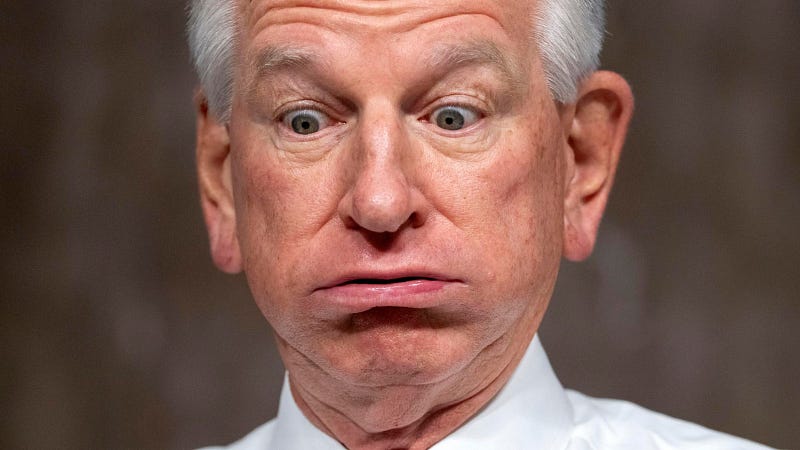
In the political arena, the interplay between principle and pragmatism often yields fascinating insights into the workings of democracy. Take, for example, the recent actions of Republican Sen. Tommy Tuberville of Alabama — a tale of political maneuvering and contradiction that offers a glimpse into the complexities of governance. Picture this: you’re following the latest developments in Congress, when news breaks that Sen. Tuberville has voted against a government funding bill, despite securing tens of millions in federal funding for his state. It’s a perplexing turn of events — one that raises questions about the motivations behind Tuberville’s decision and the broader dynamics at play in Washington.
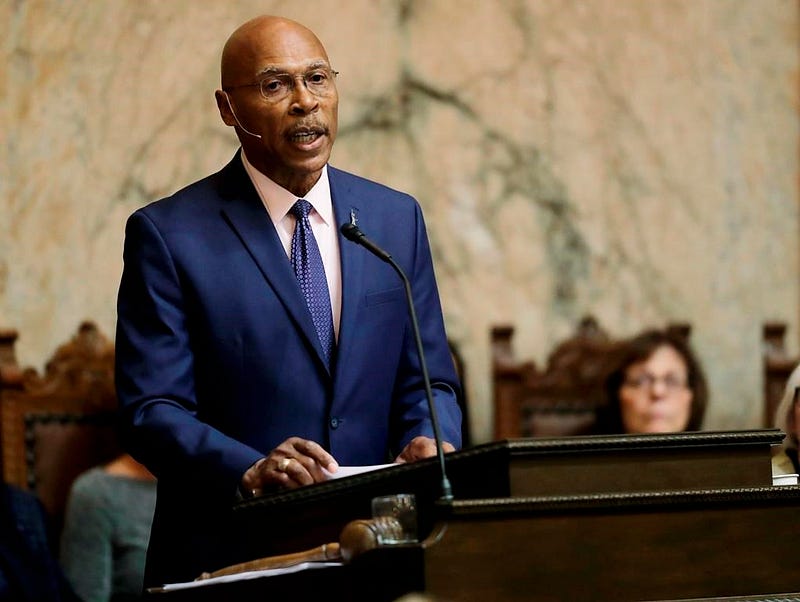
The plot thickens. Imagine this: as lawmakers work to pass a bill funding large parts of the federal government, Republican Sen. Rick Scott leads an effort to strip all earmarks out of the bill — a move aimed at curbing government spending and reining in pork-barrel politics. And while 17 GOP senators request and secure earmark funding for specific projects in their home states, four of them — including Tuberville — vote to support Scott’s amendment. It’s a curious contradiction, one that highlights the delicate balance between representing constituents’ interests and adhering to party principles.
But what if there’s more to Tuberville’s vote than meets the eye? What if his decision is driven not just by political expediency, but by a deeper commitment to fiscal responsibility and accountability? The possibilities are endless, but one thing is clear: Tuberville’s vote against the package stands in stark contrast to his office’s efforts to secure millions in federal funding for various projects in Alabama — a practice that some have dubbed “voting no, take the dough.”
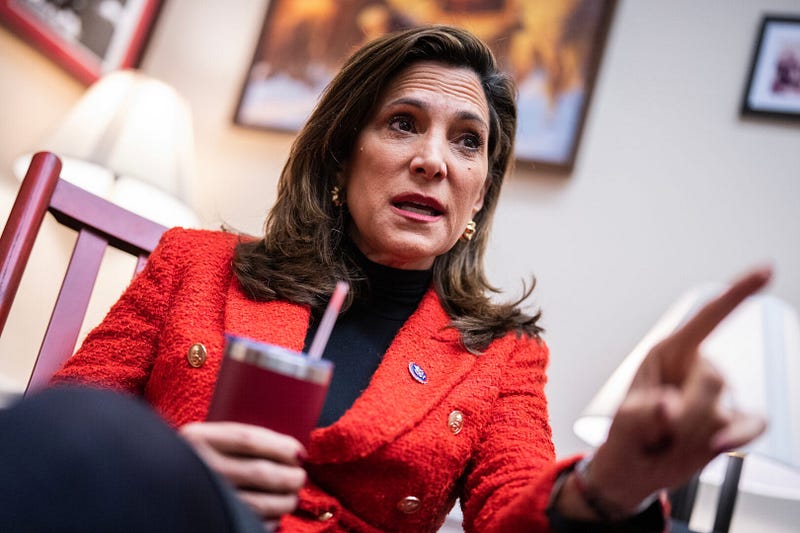
Of course, Tuberville is not alone in his approach. Imagine this: Rep. Maria Elvira Salazar of Florida faces similar criticism after celebrating funding from bills she voted against, highlighting the broader phenomenon of politicians seeking to have their cake and eat it too. It’s a familiar pattern in Washington — one that has drawn scrutiny and condemnation from both sides of the political aisle.
GAME CHANGER MOMENT
But amidst the controversy and confusion, one question remains: what if there was a better way? What if politicians put aside partisan politics and personal agendas in favor of genuine collaboration and compromise? The possibilities are endless, but achieving such a lofty goal will require a fundamental shift in the culture of politics — one that prioritizes the common good over political gamesmanship and self-interest.
If you found this article thought-provoking and want to learn more about the complexities of governance and the challenges facing our political system, stay tuned for future articles exploring additional insights and analysis. In the meantime, remember to stay informed, stay engaged, and stay vigilant in holding our elected officials accountable. After all, the future of our democracy depends on it.


