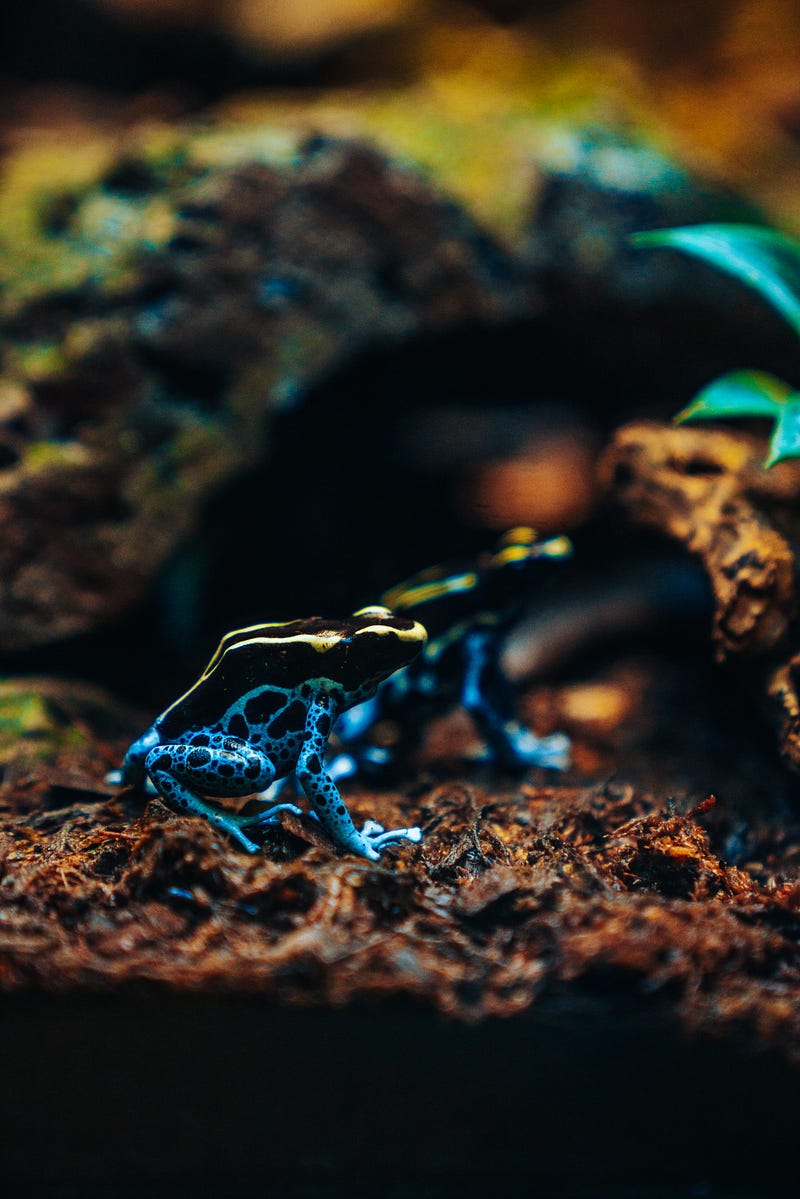
Summary
The poem "Self-Righteous Frog" is a critique of self-neglect and blame, advocating for personal responsibility and the courage to change.
Abstract
The poem "Self-Righteous Frog" is a poignant piece that discusses the themes of renewal, self-reinvention, and the importance of personal growth. It admonishes individuals who let their lives pass by without introspection or action, urging them to stop blaming external factors and take charge of their own destinies. The narrative likens such a person to a self-righteous frog, mired in their own excuses and regrets. The author emphasizes the need to carefully choose one's thoughts and actions, as they will ultimately shape one's future and the regrets one may harbor. The poem concludes with a call to action, inspiring readers to break free from the cycle of self-neglect and embrace the opportunity for change and self-improvement.
Opinions
- The author criticizes the tendency to avoid self-reflection and instead blame others or external circumstances for one's own shortcomings.
- There is a strong opinion against complacency and the wasting of life by not taking risks or making necessary changes.
- The poem expresses frustration with those who speak as if they are wise but are actually trapped in their own cycle of negativity and hypocrisy.
- The tadpole metaphor is used to suggest that even at a basic stage of development, one should strive for growth and self-awareness, questioning the excuses of those who do not.
- The author conveys a sense of urgency about the importance of choosing thoughts wisely, as they will shape one's experiences and future regrets.
- The poem ends on a hopeful note, with the author expressing gratitude for the readers' time and encouraging them to appreciate his musings, implying a value in regular reflection and self-expression.