
Self-Love is Self-Doubt
How do we tell the story of who we are?
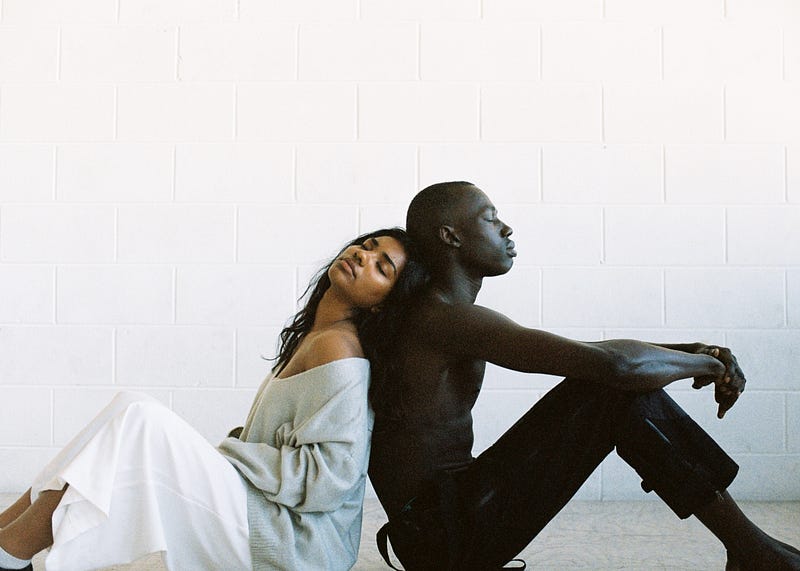
I am a person who is fascinated with everything that has to do with love. I fantasize about relationships that have never existed with people I barely know. Some of my imagined lovers have demonstrated some essence of caring and reciprocated friendship, even frolicking to a level of pre-romantic flirtation but never bordering anything close to a committed relationship.
Once, when I was in high school, one of my brother’s friends showed up on our front porch with a mouth full of braces expressing a genuine desire to be with me, to make me his. I did not see this as a possibility since I was afraid of truly being desired. But I made sure I french-kissed him anyways. I also thought of him as more like a friend. After all, even at thirteen years of age, I understood that love is something freely given, automatically put to action, unassuming, and tantalizingly unafraid, or at least I hoped so.
When do we allow ourselves to create the spaces whereby we feel included?
I do not know where my make-believe ideas about fictionalized love stories originated. Growing up, I was not a big fan of soap operas: stories my grandmother watched about rich white people who did terrible things, but whom she decided were “blessed” due to their expensive homes, clothes, cars, and abundant love life. So, as a young Black girl raised in a Christian home in the Southern United States, I was determined to receive my ‘right and privilege’ and decided to try and stay innocent for as long as possible. I felt that this sacrifice granted me, in the purest sense, the God-given right to marry a handsome, loving, kind partner who would spoil me by giving me everything I could have ever wanted, including great sex, a nice wardrobe, a large home, and exotic travel destinations.
It never occurred to me that I could provide those things for myself.
It fits the saying that “we are our own worst enemies,” forging paths that lock us in conceptual boxes of made-up, mystical individuals whom we are trying to manifest. And that is the truth: thoroughly creating and constructing visions of ourselves to be more ideal lovers, friends, associates, colleagues, artists, etc., instead of allowing ourselves the freedom to escape at will and be whomever we are.
Turning toward the wind of all this self-doubt, I speak transparently…
We will be whomever we are whenever we need to be, nothing more and nothing less. Folks whom we love, and do not love, learn from us. Ones who do not reciprocate our devotion still appreciate our mistakes and misfortunes, whether we relish in our loathsome common errors.
We ought to try to love ourselves more, in a sense, because this gives us a foundation for wanting to become better for others, forging a path towards more tolerance, awareness, and understanding.
And at least the best love we can give to ourselves is the space for accepting the worst parts, the places in us that make us feel weak and vulnerable.
Forgiveness, after all, is likely the greatest achievement.