Self-Isolation — No Problem — So I Thought
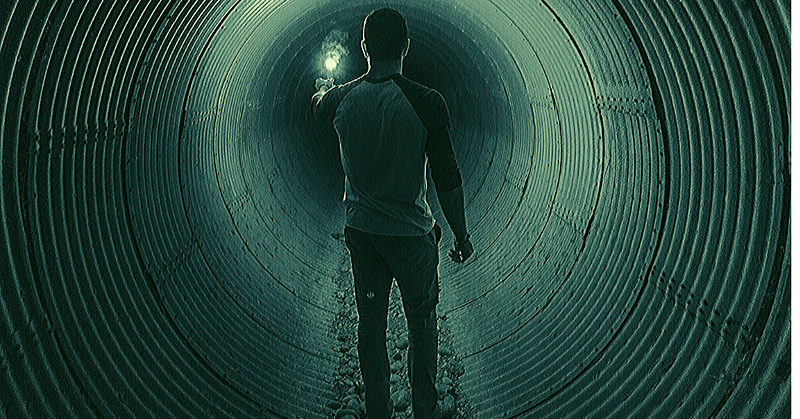
Social distancing and self-isolation did not concern me initially. What difference would it make? There is little in my life that requires a change to accomplish these mandates.
All I had to do was live my normal life.
My world began to shrink in 2009, and by 2013 social distancing and self-isolation became the way of my life.
I knew that it would be difficult for me to adjust to this lifestyle. I had tried a couple of times before to work from home only to realize how much I needed personal interactions to maintain my energy and focus.
My entire life, I have tried to improve my knowledge, not only in general but the understanding of myself. Why do I do the things I do, and what makes me tick? Our answers are there to be found, although it does take effort and a willingness to face your demons.
By the fall of 2013, I was almost entirely blind. I took an unfortunate step and broke my hip. Suddenly I could no longer work, and I could no longer drive.
It became my job to be still in order to heal.
No one was coming to ask questions, verify specifications, seek help in troubleshooting or assistance in developing new ideas.
There was nothing, just nothing.
And for several months, nothing was my job, and almost everything was beyond my ability..
Things are much different today. I have a good portion of my eyesight again, and I can move about on my own. But nothing is as it used to be either.
As I began healing, I looked into countless avenues for human connection. I made every attempt to return to normal functions, attending support groups, and attempting to start a support group. I have searched for meetups and other opportunities to connect with people in real life.
All have come up short for one reason or another. Often transportation is an issue. Other times, my limitations are a barrier to full participation. I’m still looking.
So, you see, it seemed that the emergency requirements for social distancing and self-isolation would have little impact in my life. I rarely have the opportunity to be around other people.
I found out that my assumptions were as off-base as most assumptions usually are.
When our governor enacted a stay-at-home order, it was still not of real concern. But a few days into that order, I realized that there would be no change in my situation for months to come. There was no point in me seeking out solutions for in-person connections.
Being squarely in the center of those at significant risk means that until the all-clear siren sounds, I have no options. I can’t even delude myself into online searches for activities for which I have spent seven years looking.
When I see all the helpful hints available today regarding living with this isolation, it seems that they miss the point. Sure, there are things to do that can help us get past this situation for a few weeks. But, how do you — live — in isolation?
Knowing that there will be an end to this isolation and some type of regular activity will follow can be of great help. For me, and others like me, that return to normal means more of the same.
Eventually, I will again l be able to search for possible opportunities and hope that they will materialize. I will once more be able to get my haircut and my nails trimmed. Both of which should have happened weeks ago.
But, other than those few things, the end of these distancing mandates will not significantly change how I live my life. I can only hope that after this experience, there may be more options available for people such as myself.
Whether that is the case or not, I will still keep working to better deal with my situation and grow as a person.
It would just be a much more satisfying and productive experience with some human connection.
This all may seem very strange to you. If you are following the rules or if you have been infected and quarantined, it may make more sense now than ever. Hopefully, you have developed a better appreciation and empathy for others who, like myself, already live with isolation.
If you know someone living with little or no outside human contact, take some time and reach out to them. Keep in mind how you feel in this isolation and realize that sharing your time is a gift and a blessing that person will cherish.
You may even help them save their sanity.


