
Self-Care Lesson From a Portable Charger
Not allowing complete discharge
In 2014, I showed up at the Naval base in Coimbatore for an interview to become an officer in the Indian Navy. Over the course of the 4 days of the interview, our mobiles were taken away, and when it was returned, most of them had completely discharged.
Since I was nursing the pain of rejection in the interview, I didn’t bother charging when I got my phone back. I was driven to the bus stand from the Naval Base along with the rest of the candidates who didn’t clear the interview.
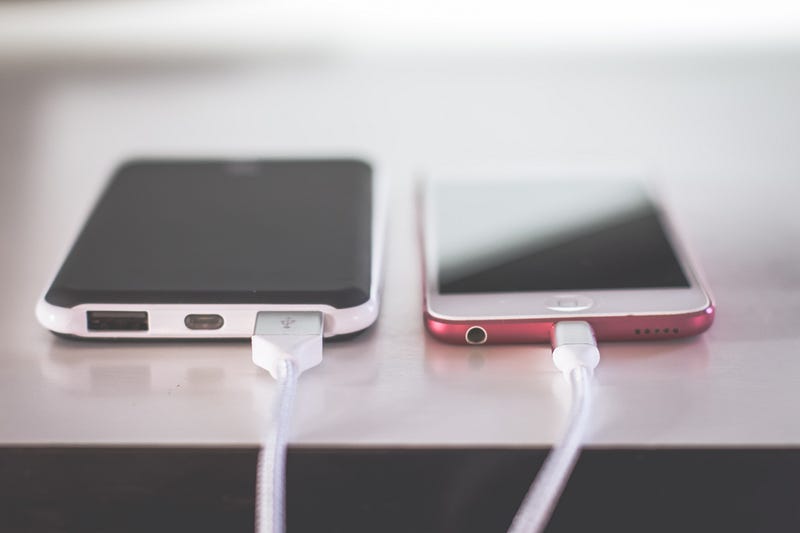
The mood inside the bus was sombre, and everyone was lost in their own thoughts. One candidate was particularly excited and he was happy to be united with his mobile. What caught my attention wasn’t his enthusiasm, but the small brick he was holding that was charging his phone. I was seeing a power bank for the first time, and without a doubt, it distracted me from being an emotional wreck I was.
Six years later, as I recollect this incident, I ended up making a connection between a portable charger and self-care.
As a person who is inherently drawn to helping others, I have had my fair share of burnout phases. I felt the need to be noble, and nothing was going to stop me from being virtuous. Obviously, I didn’t realize the toll it was taking on me, and kept continuing until I had a few harsh realizations.
I wanted to be a power bank that charged others when they didn’t have any other source. As self-sacrificing it may sound, I didn’t deserve to endure the pain of a complete discharge.
A portable charger will keep supplying power within its limit. Once that limit is crossed, not only does it become incapable of power supply, but it takes longer to charge because of the high internal resistance.
Precisely what happens to people when they reach burnout. Even if they do get the opportunity to rejuvenate, self-care becomes an arduous task.
Bottom line: charge yourself frequently; don’t wait for burnouts.
Thank you for reading!