
Self Care Culture Is Toxic
No, you don’t need to ‘treat yourself’

You had a disagreement with your partner last night and didn’t sleep well. You arrived late to work this morning, and then because your 5pm meeting overran (thanks, Pete, for the incessant commentary), you missed your yoga class. A car splashed you with a puddle on the way home, soaking your new suede boots, and when you FINALLY got home you opened your mail to find a bill with a late payment due.
You launch yourself onto the sofa and open up Instagram, looking for something to perk you up after your disastrous day. An infographic with “10 Acts of Self-Care” catches your eye. Huh. Maybe this is exactly what you need right now. You toss aside the bill and zoom in on the Instagram post.
Number 4. Treat yourself to a manicure. Hmm. Maybe a manicure is exactly what you need. You glance down at your chewed nails. Definitely, that would perk you up.
But wait, your phone buzzes to let you know that there’s a discount for UberEats at your local Chinese takeout. Ooh! Some chow mein would be very convenient right now… You order the Chinese, and book in a manicure for later in the week.
It’s so easy to get there. The overwhelming force of social media marketing is all pointing in this direction. “Treat yourself” it tells you. “It’s self care! You’ll feel better for it!”
But consumerism disguised as self care is not actually taking care of yourself. Rather the opposite. It’s teaching you to reach out for comfort when you experience pain. It’s handing the keys to your decision-making process to elements that don't have your interests at heart. It’s making your time and money work for other people, and not you.
You’re being sold a lie: that consumption will improve your wellbeing
Consumerist self care tells you that you can process your emotions via consumption, rather than, well — by processing your emotions.
It also creates an artificial pressure to ‘keep up’ with some quality of living that the internet suggests that others have; as if there is some item, experience, or perfect level of pampering that will finally give you the inner peace you crave.
You’re not the beneficiary of self care culture: the companies selling to you are
‘Treat yourself!’ screams the poster advertising that gel manicure. But is it really yourself being treated, or the salon owner?
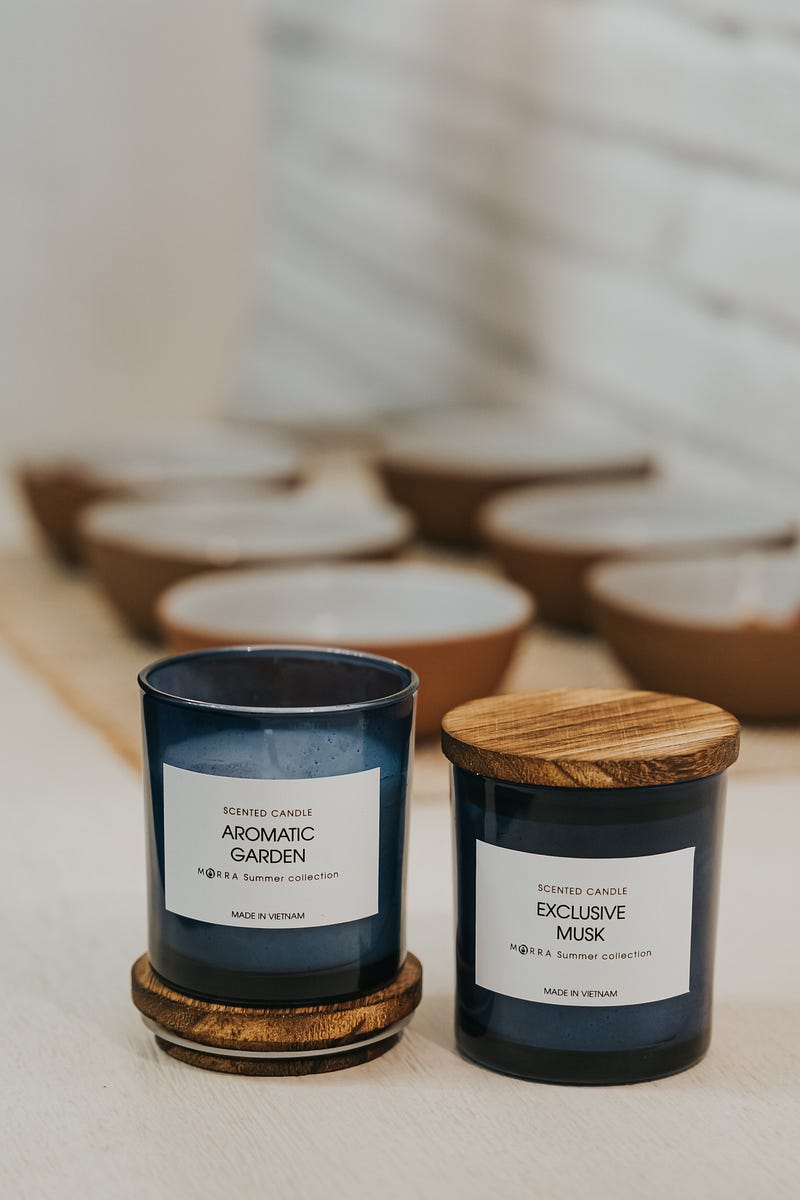
Take a look at the influencers who are promoting lingerie, spa visits, or scented candles. Whose interests are they working in?
At best, they’re selling an aspirational image of affluence to keep you hooked on their content. At worst, they’re simply promoting products they don’t even use, in order to profit off a discount code.
Would it hurt to buy the candle? Maybe not. But is it actually aligned with your priorities? Is there a better use of your money and attention? You need to step away from marketing to figure that one out.
Self care? It’s making every last drop of your time, energy and money work for you.
Most ‘self care’ is actually self-soothing: it’s not strategic
Picking up a pizza on the way home at the end of a rough week is not self-care. It’s self-soothing. It’s reaching out for comfort in a moment of need. And hey, sometimes that’s okay. No judgment.
But let’s stop pretending that it’s self care. It’s not being strategic towards your future self and your long-term goals. It’s catering to short-term desires to ease discomfort.
Picking up a pizza on the way home at the end of a rough week is not self-care. It’s self-soothing.
If you don’t have the basics in place, like an emergency fund, but your head is being turned by the pizza, this is skipping straight past your fundamental basic human needs (security) to the sparkles on the top of the hierarchy of needs. And brunch with your friends is not going to actually soothe you as much as the security of a savings account when you have an unexpected medical bill or car repair.

If you’re self-soothing, do it right: plan ahead and maximise the impact
Most of the time, when we respond to ‘cravings’; that pull for something to fill an emotional hole, we do not actually experience satisfaction from completing the act. We just perpetuate the cycle of crave-binge response.
So how can you improve the way that you indulge?
- Plan ahead. Why not start a ‘sink fund’ for such impulses. How much better would your impulsive feel-good purchases feel if you had actually already budgeted them in?
- Press pause. If you reaaaally want that eyeshadow palette, it will still be there in 30 days. The local bakery will still be selling pain au chocolate next Monday. Don’t be pushed into fast decisions by marketing campaigns. Write down each moment of ‘craving’, and set yourself a timeline to return to it. You might be surprised to find just how many of them lose appeal with time. If you still want to indulge after the waiting period, then you can make the purchase knowing it’s something you really wanted. And the anticipation will make the experience better, too.
- Be choosy with context. Make sure the experiences really *are* special. You’re in Paris? Yes, now would be a great time to take a food tour and bury yourself in croissants. But do you need that takeout burger next to the office that’s available to you on any given day?
- Think scale and longevity of impact. Rather than ordering fast-fashion items for $100 a pop, could you put the money aside for a quality wardrobe investment that keeps bringing you joy in 5 or 10 years?

True self-care is much harder: it’s an investment in your future self
Real self-care is about doing hard things for your future self. It’s being intentional with your time, energy and money. It’s making sure you spend according to your own priorities, and not the ones the internet tells you you should have.
Self care is:
- Making sure the freezer is stocked with frozen vegetables
- Going for a mental health walk before a day stuck in home office
- Packing your gym kit the night before, and bringing it to the office with you
- Opening bills the second you get them, rather than burying them in your drawer
- Scheduling a date with your budget every month to evaluate your spending
- Saying no to commitments that don’t spark joy so that you can say yes to the ones that do
For you, it might be saying no to the Saturday night drinks with friends, because you’ve always kind of hated that bar they go to, and using those resources to say yes to a trip with your best friend living abroad. Alternatively, it might be passing up on the latest phone upgrade, because you know you’d rather have the drinks with friends.
Self-care is about taking the actions that will be best for future you. And only you can decide what that means.
So don’t let an influencer, marketing department, or even a Medium writer try to tell you… ;)
Want to learn more about this topic?
Here are some books to help you get out of self-soothing towards real self-care
- Get Good With Money, Tiffany Aliche (Book)
- Practicing Financial Self-Care by The Financial Feminist (Podcast)
- The End of Craving, Mark Schatzker (Book)
- Controlling Your Dopamine for Motivation, Focus & Satisfaction by Dr. Andrew Huberman (Podcast)
- The Hungry Brain, Stephan Guyenet (Book)


