
Seeking Inner Peace? The Blue Lotus Flower’s Potential for Stress Relief and Relaxation
The Key to Stress-Free Living and Spiritual Growth
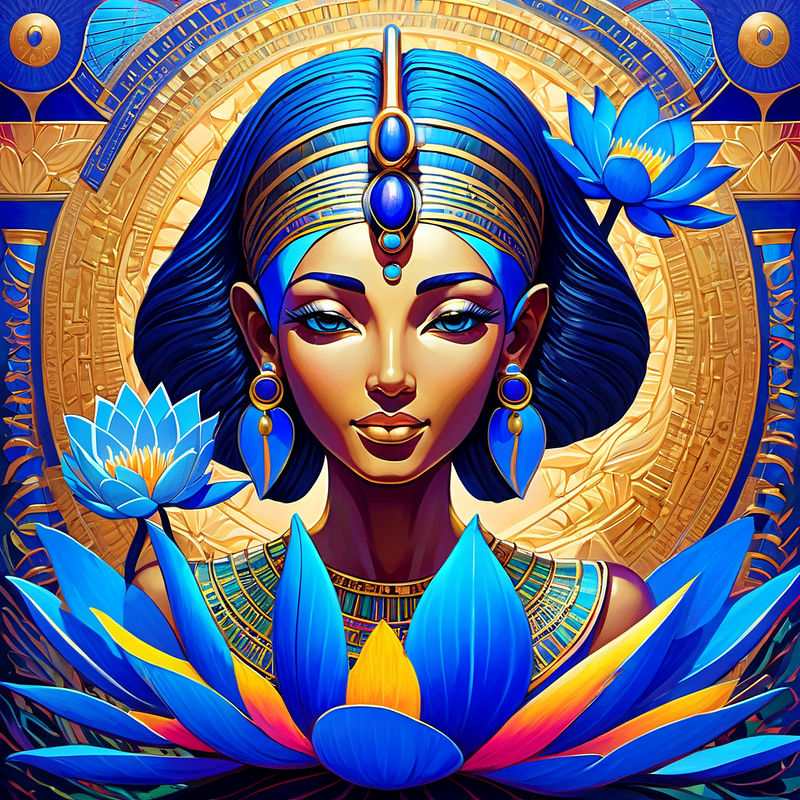
The Blue Lotus, Nymphaea Caerulea, held immense significance in ancient Egypt. It was present in their art and writings, symbolizing purity, renewal, and the connection between life and what follows.
This captivating water flower, also referred to as Castalia caerulea, Castalia capensis, and Castalia scutifolia in the past, carried special meaning but those names aren’t used anymore.
In ancient Egypt, they brewed it into tea or mixed it with wine, believing it induced feelings of happiness, relaxation, and clarity, akin to medicinal effects.

The lotus held profound symbolic value in ancient Egyptian society. It represented creation and rebirth, associated with leaders as divine creators and renewers of the land. Its opening and closing with the sun’s rhythm symbolized the sun and light, aligning leaders with the life-giving force. The lotus’s untouched bloom amidst muddy waters symbolized purity and moral values that leaders were expected to embody. Furthermore, it connected leaders to deities like Nefertem and Hathor, emphasizing their divine connection.
Beyond symbolism, the lotus had practical uses — its fibers for textiles, leaves for religious ceremonies, and petals for perfumes and cosmetics.
The Blue Lotus played a vital role in religious ceremonies and ancient treatments for stress, digestive issues, and pain, seen as a means to calm both body and mind.
Hieroglyphs with the Blue Lotus Flower

Many important ancient pictures show the blue lotus, proving how special it was in Egypt. Let’s check out a couple:
- Seshen: This one is just a blue lotus with a pointed stem and a round top. It means creating new things, starting again, and the sun rising. They drew it in tombs and religious writings.
- Nebseni with Blue Lotus: This famous relief sculpture shows a seated official named Nebseni holding a blue lotus flower. It represents his status, purity, and spiritual connection.
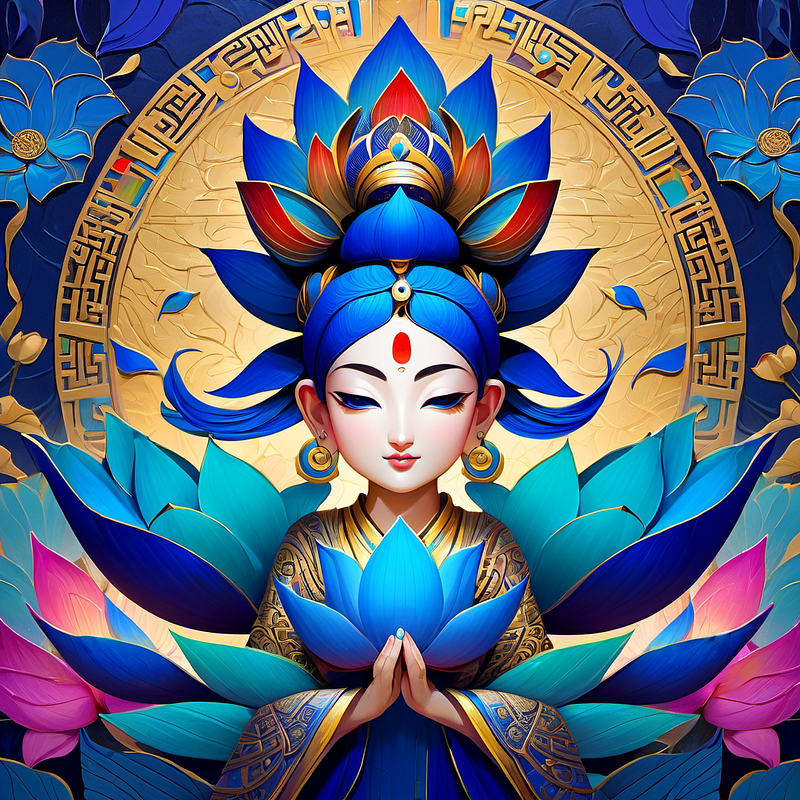
- The Book of the Dead: This ancient funerary text features illustrations of the deceased holding blue lotus flowers. These symbolize the hope for resurrection and rebirth in the afterlife.

- The Offering Scene: This common motif in tomb paintings shows individuals offering various objects to deities, including blue lotus flowers. This symbolizes piety, devotion, and the hope for divine favor.
- Lotus Columns: The blue lotus often adorns the capitals of columns in temples and other structures. This symbolizes divine support and the connection between the earthly and the divine realms.
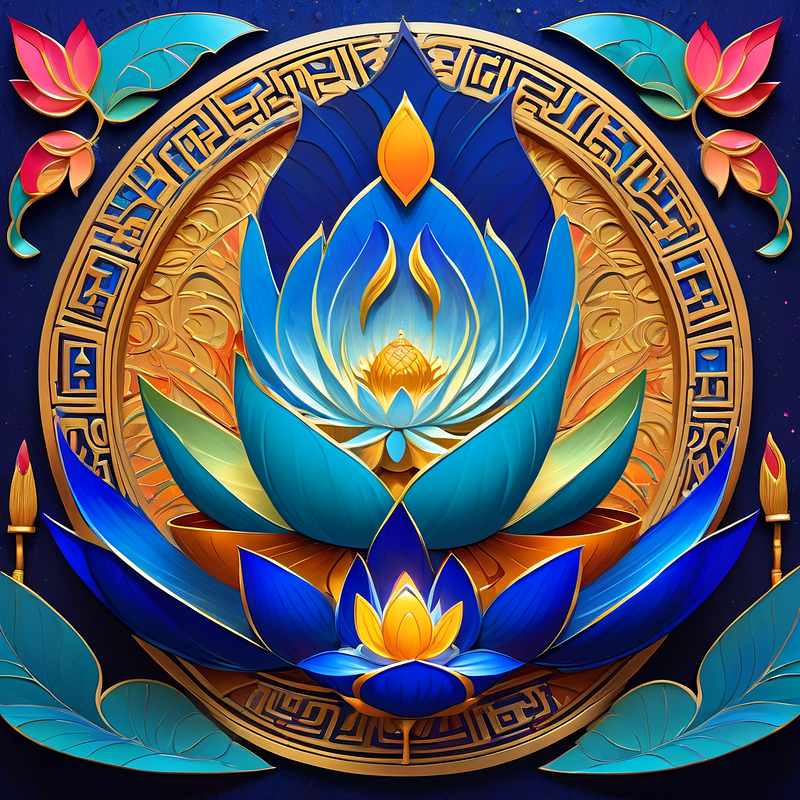
- The Flower of Nefertem: This hieroglyph shows a blue lotus flower with a human head, representing the god Nefertem, who was associated with creation, fragrance, and the rising sun.
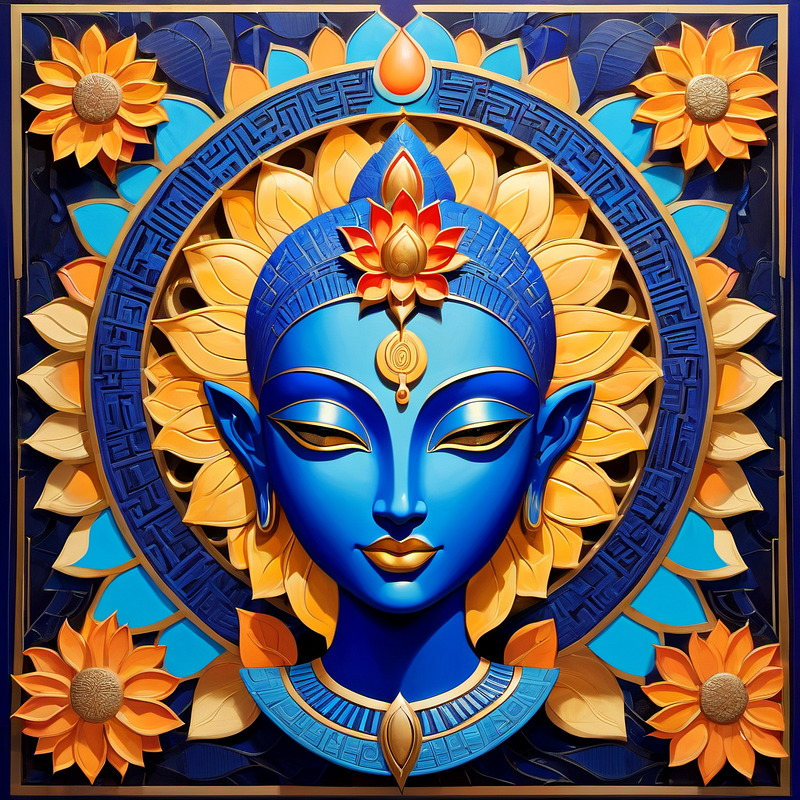
These are just a few examples of the many famous hieroglyphs depicting the blue lotus.
Blue Lotus Today
In recent times, there’s been a growing fascination with the Blue Lotus, particularly within spiritual communities and natural medicine enthusiasts.
Those fond of natural remedies cherish the Blue Lotus for its ability to induce relaxation, uplift mood, and facilitate a connection to the spiritual realm.
But, due to insufficient research, handling the Blue Lotus cautiously is crucial. Supporters advise using it in small quantities while respecting its historical significance. Considering dosage, potential effects, and individual responses is vital for safe usage.
Preserving the growth of the Blue Lotus for the future is imperative. Efforts are underway to safeguard its habitats to ensure its continuity. It’s not solely about its past significance but securing its place in the future as well.
The Blue Lotus illustrates the bond between ancient civilizations and nature, reflecting its relevance across time. It held immense significance historically, and contemporary interest seeks to unveil its enduring importance.
The Blue Lotus might hold keys to ancient knowledge and wisdom long forgotten.
Research on Blue Lotus
As mentioned, there hasn’t been extensive research conducted on this intriguing psychedelic flower, but I managed to find a few interesting studies.
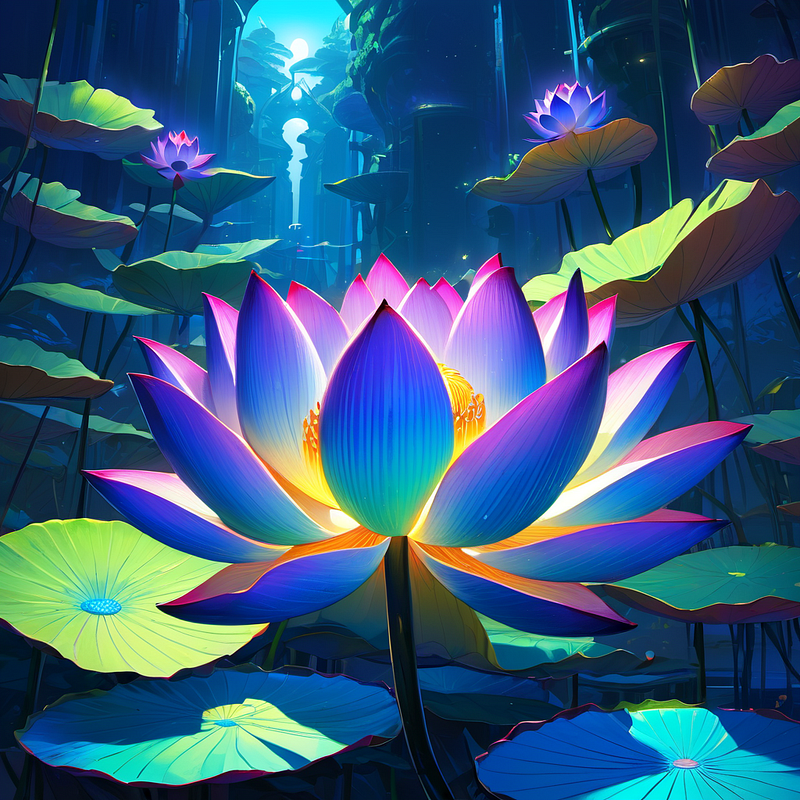
Research Papers on Nymphaea Caerulea
- Toxicity From Blue Lotus (Nymphaea caerulea) After Ingestion or Inhalation: A Case Series: This study looks at times when people got sick after eating or breathing in Blue Lotus. It tries to understand what made them sick and what problems the plant might cause.
- Pharmacological effects of Nymphaea nucifera: This paper talks about another plant similar to Blue Lotus called Nymphaea nucifera. It explores how this plant affects our bodies and if it could be useful for medicine.
Source: https://www.ncbi.nlm.nih.gov/pmc/articles/PMC4710907/
- Nymphaea caerulea: A review of its traditional uses, phytochemistry, and pharmacology: This research paper gives an overview of Blue Lotus. It looks at how people used it in the past, what’s in it, and how it might affect our health. It aims to gather all the knowledge about how Blue Lotus was used traditionally and if it could be helpful for medicine.
Source: https://www.sciencedirect.com/science/article/pii/B9780128168141000314
These papers aid in our understanding of the Blue Lotus. They look at its history, composition, its impact on our bodies, and any potential risks it might have. Even in 2023, our understanding remains quite limited — we’re merely scratching the surface.
Benefits of Blue Lotus
The blue lotus is traditionally touted for various benefits, including:
- Relaxation and anxiety relief
- Improved mood and feeling very happy
- Improved concentration and focus
- Improved sleep quality
- Vivid Dreams
- Reduces Inflammation
- Antioxidant properties
- Pain relief
- Aphrodisiac properties
- Enhanced cognitive function
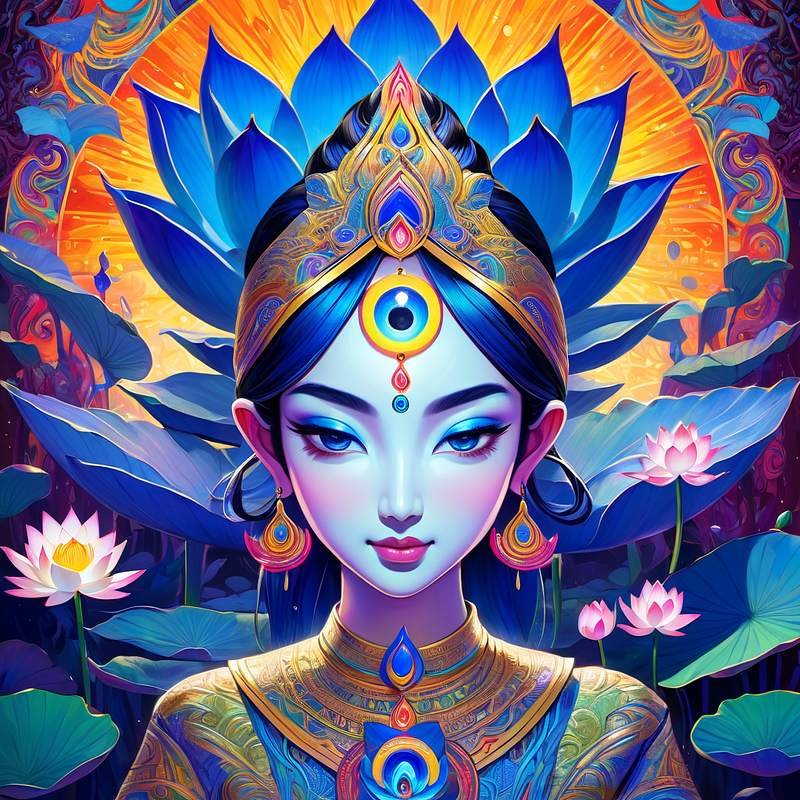
- Opening the 3rd Eye
Those benefits do sound promising, but there isn’t a substantial amount of research backing these claims. However, browsing through TikTok and observing people’s experiences does show some validity to these benefits. Nevertheless, given that everyone’s reaction to plant medicine can vary, it’s essential to approach it with mindfulness and caution.

Potential Risks associated with using the Blue Lotus
- Nausea and vomiting
- Dizziness and headache
- Low blood pressure
- Interactions with medications
- Hypotension
- Impaired cognitive function
Safe Dosage and Frequency
There is no established safe dose or frequency for using the blue lotus. The appropriate dosage can vary depending on the individual, the form of the flower (tea, extract, etc.), and the desired effect.
It is recommended to start with a low dose and gradually increase as needed.
Additionally, consulting a healthcare professional is crucial before using the blue lotus, especially if you have any underlying health conditions or take medications.
Whether or not to include blue lotus in your daily routine depends on your individual goals and risk tolerance. If you are looking for a natural sleep aid or relaxation tool, it may be worth trying.
Self-Experiment
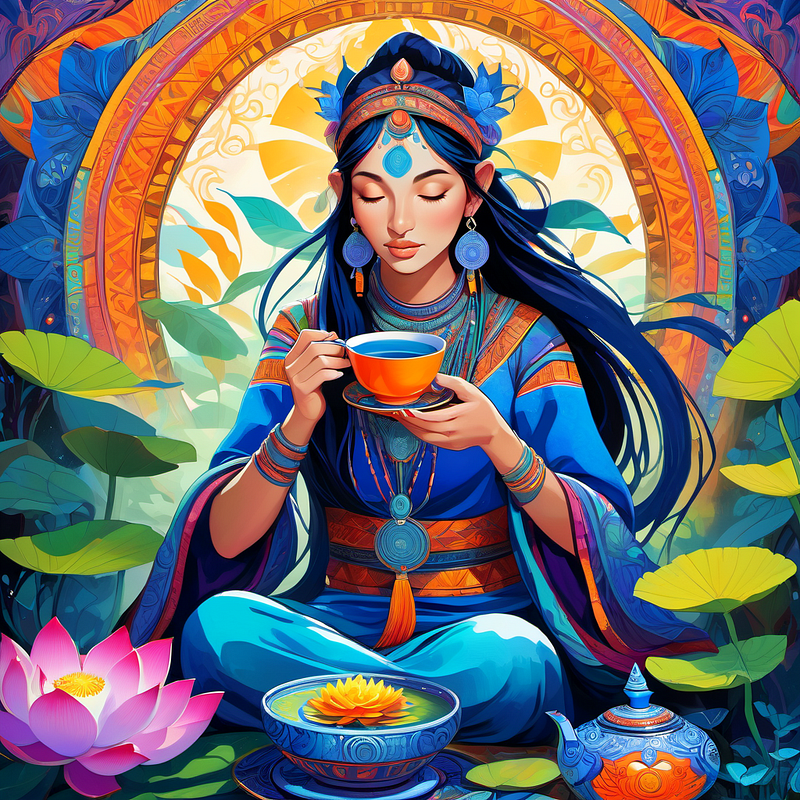
As always, I’ll be trying it out and keeping you posted. I’ll share how much I took and include my weight and height since these factors might affect how it works. Sleep isn’t usually an issue for me, but I’m curious about its potential to deepen my meditation and spiritual practices. I plan to try vaping it and also drinking it in the form of tea to see if there’s any difference and which method I prefer.
I’m always fascinated by the multitude of psychedelic plants and trees that exist on Earth and how many of them have been made illegal by law. So many of these plants have the ability to heal us from the root, provided they are used mindfully and correctly. It’s not solely about the visual trip you might experience (especially when microdosing) from these plants; it’s the healing qualities that fascinate me and that I want to explore further. What are your thoughts on this?
Disclaimer: I am not a doctor. Do your own research. Thanks.
Follow me to read more stories like this.
Iboga — The Father Of All Psychedelics
DMT: The Cosmic Adventure of the Mind
Click here: https://medium.com/@GoodToKnow33/subscribe


