avatarDanie Aslam

Free AI web copilot to create summaries, insights and extended knowledge, download it at here

2286

Abstract

nt.</p><figure id="6075"><img src="https://cdn-images-1.readmedium.com/v2/resize:fit:800/0*zA1gDc6hoQuQvDT1"><figcaption><b>Sunset at Gusev Crater on Mars — Pic by <a href="https://solarsystem.nasa.gov/news/925/what-does-a-sunrise-sunset-look-like-on-mars/">NASA</a></b></figcaption></figure><p id="85b5">The Blue Sunset scene on the red planet attracted many people’s attention. We have. Studied the methane lakes on Titan, one of Saturn’s moons, and observed the turbulent behavior of Jupiter’s Great Red Spot.</p><p id="5e2b">Moving beyond our neighborhood we have made discoveries by detecting exoplanets through various innovative methods, like occultations. It won’t be long before we witness sunrises from systems.</p><h1 id="d4d3">Shedding Light on the Mysterious Core of Black Holes</h1><p id="5313">Black holes only fascinating concepts in theory have now taken center stage thanks to the efforts of today’s scientists. By collaborating with a network of radio telescopes we successfully captured every image depicting a black hole’s event horizon.</p><figure id="3539"><img src="https://cdn-images-1.readmedium.com/v2/resize:fit:800/0*_c9EG1s0YWSFSjG-"><figcaption><b>Sagittarius Black Hole</b> — Pic by <a href="https://www.nasa.gov/mission_pages/chandra/news/black-hole-image-makes-history"><b>NASA</b></a><b> </b>& <a href="https://eventhorizontelescope.org/"><b>Event Horizon Telescope</b></a></figcaption></figure><p id="381c">This breakthrough paves the way, for unlocking the mechanisms that drive these behemoths. Now we know every galaxy has a massive black hole in its center.</p><h1 id="01e4">Deepest Visions of the Cosmic Web</h1><p id="3dab">Telescopes both on the ground and in orbit have allowed us to map the universe’s large-scale structure in exquisite resolution. We have assembled three-dimensional surveys of galaxy clusters and superclusters spanning billions of lightyears.</p><figure id="9f39"><img src="https://cdn-images-1.readmedium.com/v2/resize:fit:800/0*Dvf3bU8LoIA_rLOX"><figcaption>Photo by <a href="https://unsplash.com/@grakozy?utm_source=medium&amp;utm_medium=referral">Greg Rakozy</a> on <a href="https://unsplash.com?utm_source=medium&amp;utm_medium=referral">Unsplash</a></figcaption></figure><p id="0d1a">Augmented by gravitational l

Options

ensing, our sharpest images have revealed a networked tapestry of matter connecting vast cosmic voids. No earlier generation possessed such a detailed model of the universe’s architecture.</p><h1 id="cbc1">Asteroid Samples Unlocked in Our Labs</h1><p id="1241">Robotic missions have brought back asteroid material to our labs providing us with samples. By analyzing the data we have been able to unlock the secrets. We’ll get a chance to know how our solar system formed from clouds of dust and gas.</p><figure id="3b13"><img src="https://cdn-images-1.readmedium.com/v2/resize:fit:800/0*Fgz28maSctbAam9r"><figcaption>Photo by <a href="https://unsplash.com/@viktortalashuk?utm_source=medium&amp;utm_medium=referral">Viktor Talashuk</a> on <a href="https://unsplash.com?utm_source=medium&amp;utm_medium=referral">Unsplash</a></figcaption></figure><p id="b8d4">This study of fossils sheds light on the synthesis of life’s building blocks, in the history of the Milky Way. It’s amazing to think that a few decades ago this kind of evidence was beyond our reach.</p><h1 id="5a9a">The Wonders Yet to Come</h1><p id="8f05">Although we have made progress we must remember that there will always be frontiers to explore and more knowledge to acquire. Our generation’s legacy lies in demonstrating that, with determination and <b><i>creativity no secret is truly unknowable.</i></b></p><figure id="15f1"><img src="https://cdn-images-1.readmedium.com/v2/resize:fit:800/0*cLpfD8Usmbai7GBP"><figcaption>Photo by <a href="https://unsplash.com/@soph_?utm_source=medium&amp;utm_medium=referral">Sophie Maurine</a> on <a href="https://unsplash.com?utm_source=medium&amp;utm_medium=referral">Unsplash</a></figcaption></figure><p id="0ab4">We are only starting to grasp the enigmas of space and time.</p><p id="d0e2" type="7">One thing is certain — the adventure never ends!</p><p id="8feb" type="7">“If you want to read more about space, astronomy and interesting stories, then follow me here.”</p><p id="ad9e">I hope you’ll find this story <b><i>“Interesting and Astonishing”</i></b>. <a href="https://medium.com/@danielaslam"><b>Subscribe </b></a>to my newsletter for such interesting and astonishing facts and stories.</p><blockquote id="38a6"><p><b>Happy Learning</b></p></blockquote></article></body>

Interesting Facts about Space

We are the first Generation Seeking Hidden Truths Across Time and Space

Ever since man began to think, we are the first generation to see cosmic mysteries unfold in our lifetime.
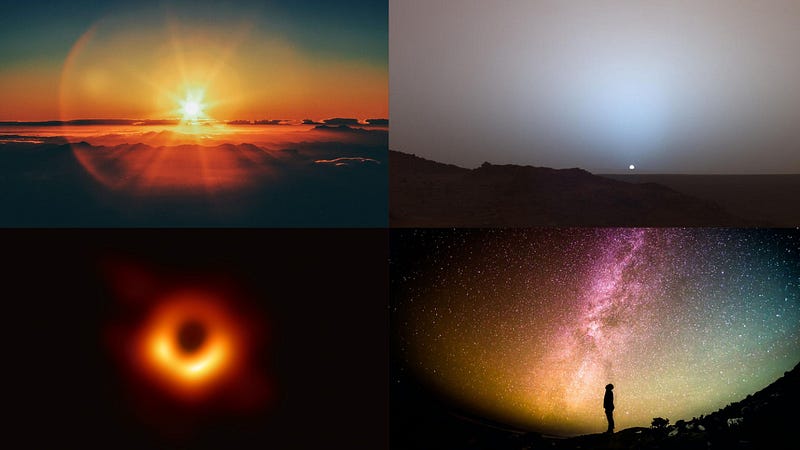
Secrets are now Unveiled — Image Compiled by Author

The bright starry sky has been a source of curiosity for humans since the beginning of time. The mysteries hidden within those galaxies have always captivated our curiosity. What is keeping all the galaxies in balance? What do the planets and galaxies look like? Especially the center of the galaxies?

Since the discovery of modern sciences, scientists have been doing a lot of research. Now, because of the collective curiosity and effort of humans, we have found many answers and now look forward to unveiling more secrets in upcoming future.

Today, we’ll try to unveil one of the most famous explorations. I’m sure that it’ll fascinate you too.

Reaching Temperatures Hotter Than a Star’s Core

Let’s start with the discovery of high technology that makes it possible to attain a temperature greater than the sun’s core.
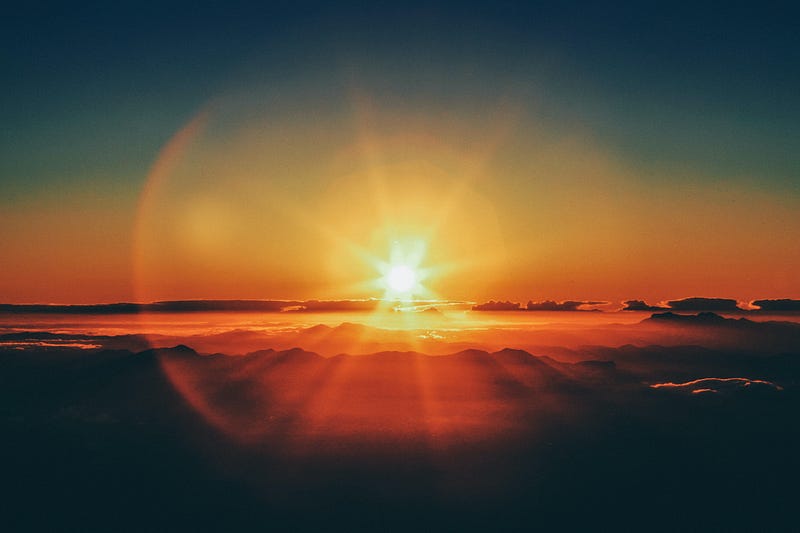
Photo by Jonathan Borba on Unsplash

Yes, humans have developed such high technology that can create a mini sun using different hadron colliders and reactors. The race of homo sapiens has never been to this level before.

Seeing the Sunset on other planets:

A reel became viral all over the world when we got the first photographs of the sunset on Mars Planet. It fascinates everyone’s thinking because we often think about Mars as a red planet full of dust. But what we see is the panorama of nature but in a different environment.
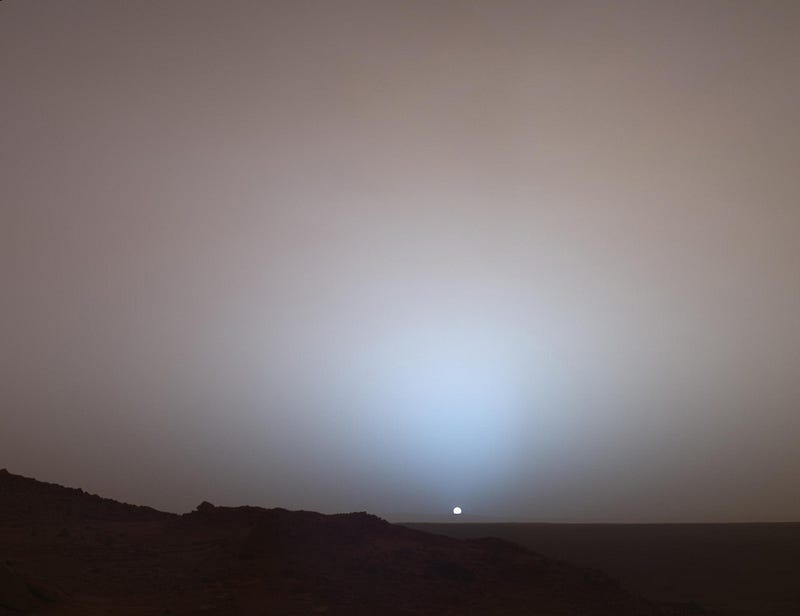
Sunset at Gusev Crater on Mars — Pic by NASA

The Blue Sunset scene on the red planet attracted many people’s attention. We have. Studied the methane lakes on Titan, one of Saturn’s moons, and observed the turbulent behavior of Jupiter’s Great Red Spot.

Moving beyond our neighborhood we have made discoveries by detecting exoplanets through various innovative methods, like occultations. It won’t be long before we witness sunrises from systems.

Shedding Light on the Mysterious Core of Black Holes

Black holes only fascinating concepts in theory have now taken center stage thanks to the efforts of today’s scientists. By collaborating with a network of radio telescopes we successfully captured every image depicting a black hole’s event horizon.

Sagittarius Black Hole — Pic by NASA & Event Horizon Telescope

This breakthrough paves the way, for unlocking the mechanisms that drive these behemoths. Now we know every galaxy has a massive black hole in its center.

Deepest Visions of the Cosmic Web

Telescopes both on the ground and in orbit have allowed us to map the universe’s large-scale structure in exquisite resolution. We have assembled three-dimensional surveys of galaxy clusters and superclusters spanning billions of lightyears.
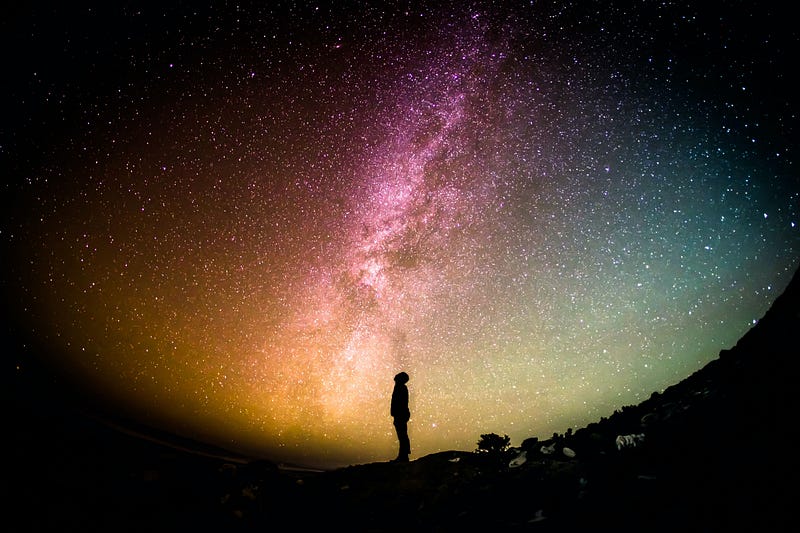
Photo by Greg Rakozy on Unsplash

Augmented by gravitational lensing, our sharpest images have revealed a networked tapestry of matter connecting vast cosmic voids. No earlier generation possessed such a detailed model of the universe’s architecture.

Asteroid Samples Unlocked in Our Labs

Robotic missions have brought back asteroid material to our labs providing us with samples. By analyzing the data we have been able to unlock the secrets. We’ll get a chance to know how our solar system formed from clouds of dust and gas.
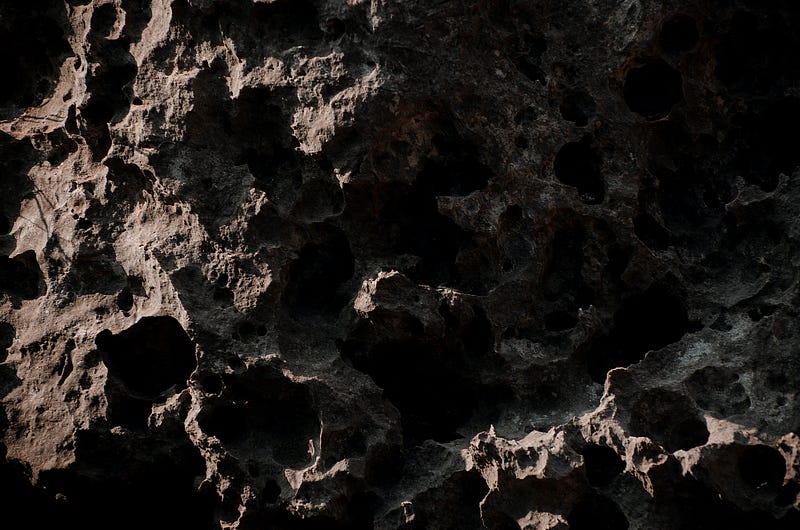
Photo by Viktor Talashuk on Unsplash

This study of fossils sheds light on the synthesis of life’s building blocks, in the history of the Milky Way. It’s amazing to think that a few decades ago this kind of evidence was beyond our reach.

The Wonders Yet to Come

Although we have made progress we must remember that there will always be frontiers to explore and more knowledge to acquire. Our generation’s legacy lies in demonstrating that, with determination and creativity no secret is truly unknowable.
Photo by Sophie Maurine on Unsplash

We are only starting to grasp the enigmas of space and time.

One thing is certain — the adventure never ends!

“If you want to read more about space, astronomy and interesting stories, then follow me here.”

I hope you’ll find this story “Interesting and Astonishing”. Subscribe to my newsletter for such interesting and astonishing facts and stories.

Happy Learning

Space
Productivity
Writing
Self Improvement
Black Holes
Recommended from ReadMedium