
The Reflective Eclectic
See, Do, Teach
Learning skills as therapy.

If you’ve got serious problems, you can’t just go to a shrink’s office, unload them all, and walk away a new man. You’ll be disappointed. You might feel better for a minute, but if you go home and do the same things you’ve always done, you’ll get what you’ve always got.
Therapy involves learning to do things differently. The couple who’s coming in for marriage counseling needs to learn to listen and respond differently. The anxious person must learn to relax; the depressed one, how to keep going; and the addicted one, why and how to stop using their substance. Every person must be able to observe themselves accurately and compassionately. The greater part of all this learning occurs outside the therapy hour, far from your shrink’s office.
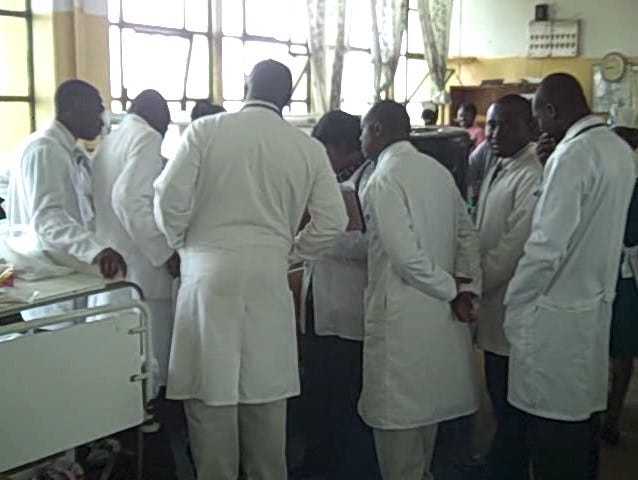
A surgeon once told me they have a saying in medicine: see one, do one, teach one. Only when you complete all three can you say you know the procedure well enough to do it on your own. See one means you watch someone perform a surgical procedure. When you try your hand at it under supervision, you are doing one. Teach one requires you to explain it to someone else, so they can do it, too.
There’s a lot of wisdom in this method, which can be applied with variations to almost any kind of learning. It’s not enough for me to tell you how you can calm yourself down in sixteen seconds by square breathing, you must do it. Then, it’s not enough for you to do it, you must explain to someone else how to do it. I have often found that I think I know something when I start writing about it, only to be confronted by all the ins and outs of the topic before I’ve reached the end of the page. Teaching someone is how you work out the kinks in a skill and develop real mastery. Then, if you really want to learn something, learn it well enough to explain it to your grandmother.
Learning a new skill in therapy is harder than learning a surgical procedure because you really need to use the skills when you are under extreme duress. You need to learn to listen when your spouse is yelling at you, how to calm yourself when you think you’re going to die, how to go on when you wish you would die, and why and how to stop using a substance when it seems like nothing but the substance could solve your problem. You need to be able to observe yourself accurately and compassionately when you are the most ashamed. That’s hard. It’s as hard as a surgeon learning a new procedure, not on a patient, but on himself, blindfolded, without anesthesia. To be able to learn to do that is going to take more than watching one, doing one, and teaching one. You’re going to have to do ten thousand.
This is where drilling comes in, otherwise known as repeated conscious practice. No one likes to drill, but a musician who hasn’t done his scales will not know how to play. An actor who hasn’t rehearsed does not know her lines. A basketball player who hasn’t shot from the foul line countless times will not score a point when the game is at stake. The idea of drilling is to repeat something often enough so you can do it in your sleep. If you’re ever going to be able to listen when your spouse is yelling at you, listening must be automatic.
If change is ever going to occur as a result of therapy, then most of the work, and the drilling, must occur between sessions. The anxious person must take up meditation; the depressed one, action; and the addicted one must repeatedly choose not to use his substance. Everyone must practice observing themselves accurately and compassionately if they’re ever going to have a chance of doing it when it’s hard.
Keith R Wilson is a mental health counselor in private practice and the author of three self-help books, three novels, and innumerable articles.