
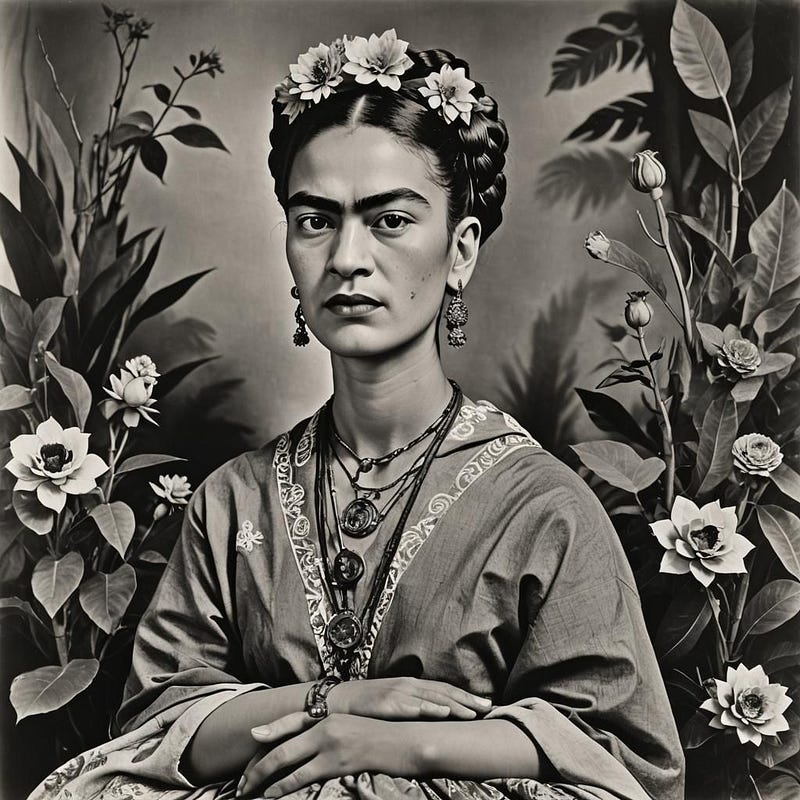
Secrets of Genius: Daily Routines of Legendary Artists, Writers, and Thinkers
Insights into the power of habit and the importance of maintaining a creative mindset.
The pursuit of creativity has always been a fascinating subject for human beings.
Since the dawn of civilization, we have been captivated by the works of artists, writers, and thinkers who have managed to transcend the boundaries of their time and leave an indelible mark on the world.
What sets these greats apart from the rest? Is it their innate talent, their unwavering passion, or perhaps something else entirely?
Examine the daily routines of some of history’s most renowned creatives, from the likes of Ernest Hemingway to Frida Kahlo.
By examining their habits and rituals, we will uncover the secrets behind their prolific output and explore how routines can foster a creative mindset.
Explore into the world of the greats and discover what it takes to become a creative powerhouse.
The Early Bird Catches the Muse: Morning Routines
Benjamin Franklin (1706–1790), one of America’s founding fathers, was known for his strict adherence to a daily routine.
He would wake up at 5 am every morning and begin his day with a series of exercises, followed by a session of writing in his journal.
Franklin believed that by starting his day early and engaging in physical activity, he could keep his mind sharp and focused throughout the day.
Ernest Hemingway (1899–1961), the Nobel Prize-winning author, was an early riser as well.
He would wake up at dawn and begin his writing routine, often writing for several hours before taking a break to enjoy a hearty breakfast.
Hemingway found that by starting his day early and working steadily, he could make the most of his creative energy and maintain a high level of productivity.
Frida Kahlo (1907–1954), the iconic Mexican artist, was also an advocate of early morning routines.
She would wake up at 6 am every day and spend the first few hours of her day painting in her studio.
Kahlo believed that by starting her day early and immersing herself in her creative work, she could tap into her subconscious mind and produce her most inspired pieces.
Midday Breaks and Creative Rejuvenation
Vincent van Gogh (1853–1890), the legendary Dutch painter, was known for his habit of taking long walks during the day.
He would often leave his studio and venture out into nature, seeking inspiration from the world around him.
Van Gogh believed that by stepping away from his work and allowing himself to be immersed in the beauty of the natural world, he could rejuvenate his creative spirit and return to his paintings with renewed vigor.
Charles Dickens (1812–1870), the prolific English author, was another fan of midday breaks. He would often take long walks during the day, visiting various locations around London and soaking up the sights and sounds of the city.
Dickens found that by stepping away from his writing and engaging with the world around him, he could maintain his creative energy and generate new ideas for his novels.
Pablo Picasso (1881–1973), the renowned Spanish artist, was also known for his habit of taking long breaks during the day.
He would often leave his studio and spend hours wandering the streets of Paris, observing the people and the architecture.
Picasso believed that by stepping away from his work and allowing himself to be inspired by the world around him, he could keep his creative mindset fresh and invigorated.
Evening Rituals and the Art of Reflection
Ludwig van Beethoven (1770–1827), the legendary German composer, was a firm believer in the power of evening rituals. He would often spend the last hours of his day reviewing his work and making notes for future compositions.
Beethoven found that by taking the time to reflect on his creative output and plan for the future, he could maintain his focus and ensure that his work remained consistent and true to his vision.
Georgia O’Keeffe (1887–1986), the celebrated American painter, was another advocate of evening reflection.
She would often spend the last hours of her day reviewing her paintings and making notes on her process.
O’Keeffe believed that by taking the time to analyze her work and identify areas for improvement, she could continue to grow as an artist and produce increasingly complex and nuanced pieces.
Jane Austen (1775–1817), the iconic English novelist, was known for her habit of writing in the evenings. She would often spend the last hours of her day working on her manuscripts, carefully crafting her characters and plotlines.
Austen found that by dedicating herself to her writing in the evening, she could maintain her focus and ensure that her novels remained true to her vision.
The daily routines of legendary artists, writers, and thinkers can provide valuable insights into the power of habit and the importance of maintaining a creative mindset.
From Benjamin Franklin’s early morning exercises to Jane Austen’s evening writing sessions, these greats have demonstrated that by adhering to a strict routine, they were able to harness their creative energy and produce some of the most iconic works in history.
When you find yourself struggling to tap into your creative side, take a moment to reflect on the routines of these greats and consider how you might apply their strategies to your own life.
By following in the footsteps of these legendary figures, you can unleash your creative potential and leave your mark on the world.