
Secrets About the Human Heart!
Did you know that the human heart can continue to beat even if it’s not inside the body?
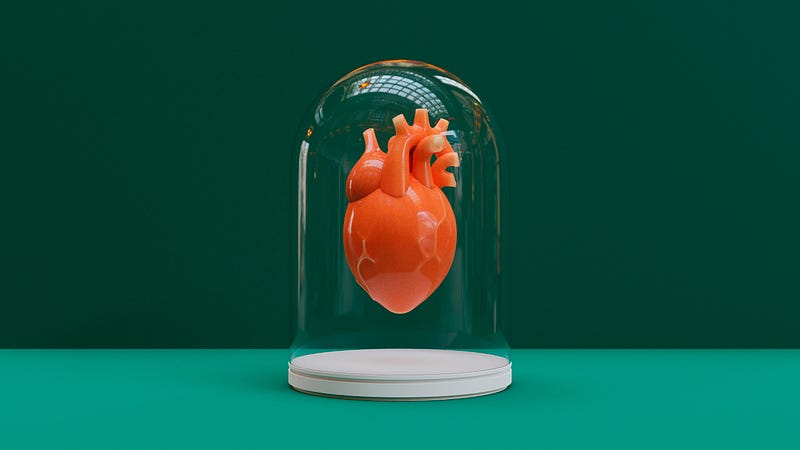
The heart is a unique organ that has both muscle and nervous tissues. Its job, as a part of the cardiovascular system, is to pump blood into the cells and tissues of the body. Here, you’ll get to know some mysterious facts about the heart.
1- Your heart beats about 100,000 times a day
In young people, the heart rate ranges from 70 beats per minute at rest to 200 beats per minute during exercise. By the age of seventy, your heart will have beaten more than two billion times.
2- Your heart pumps about 5 liters of blood per minute
At rest, the heart pumps around 5 liters of blood per minute. Blood circulates through the entire vascular system in about 20 seconds. In a day, the heart circulates about 10,000 liters of blood through thousands of kilometers of blood vessels.
3- Your heart starts beating 3 to 4 weeks after conception
The human heart starts beating a few weeks after conception. By the fourth week, the heart beats between 105 to 120 times per minute.
4- The heartbeats of a couple are alike

During the study of Davis at the University of California, while couples engaged in exercises without talking to or touching, it was found that the breathing rate and heart rate of couples synchronized, indicating that the romantic relationship also has physiological value.
5- Heart valves produce the sound of the heartbeat
The sound of the heartbeat is often described as “lub-dub.”
6- The heart continues to beat even if it is removed from your body
Unlike other muscles, the brain does not regulate the heart’s contractions. Electrical impulses created by the heart’s nodes are what make it beat. Your heart will continue to beat outside of the body as long as it has enough energy and oxygen.
7- Blood type is linked to heart disease
Scientists have found that your blood type can put you at risk for heart disease. In a study published in a well-known scientific journal, people with blood type AB were at the highest risk for heart disease. Those with blood types B and A were next in line, respectively. Blood type O had the lowest risk. The reason for this difference isn’t clear yet, but blood type AB is associated with inflammation, and blood type A raises levels of a certain type of cholesterol.
8- About 20% of Blood Goes to the Kidneys and 15% to the Brain
About 20% of the blood flow goes to the kidneys. They filter about 200 liters of blood per day. Blood flow to the brain is crucial for human survival. If there’s a disruption in the blood flow to the brain, brain cells can die within a few minutes.
9- Low Heart Rate Index is Associated with Brain Aging

The amount of blood pumped by the heart is related to brain aging. The brain volume of individuals with a low heart rate index is less than those with a high heart rate index. The heart rate index is the amount of blood pumped by the heart relative to the person’s body size. As we age, our brain size naturally decreases. In a study conducted at Boston University, the brains of individuals with a low heart rate index were approximately two years older than those with a high heart rate index.
10- Slow Blood Flow Can Lead to Heart Disease
Scientists at the University of Washington have found more signs of how heart arteries become blocked over time. By studying the walls of blood vessels, it was revealed that blood cells become closer together where blood flow increases. This cell stickiness prevents fluid loss from blood vessels. Scientists noted that in areas where blood flow is slow, the likelihood of blood leakage from the vessels is higher. This leads to the deposition of cholesterol-blocking substances in these areas.
Recently, for your heart health, have regular and balanced exercise, use a healthy diet, and pay attention to your stress; I hope a healthy and lively life for all of my esteemed friends.

To support me through my investigations you can buy me a book📖 and also For more interesting and engaging facts, subscribe and follow now.