
Secret Odyssey of the Apple Car: Behind the Scenes of Cupertino’s Revolutionary Project
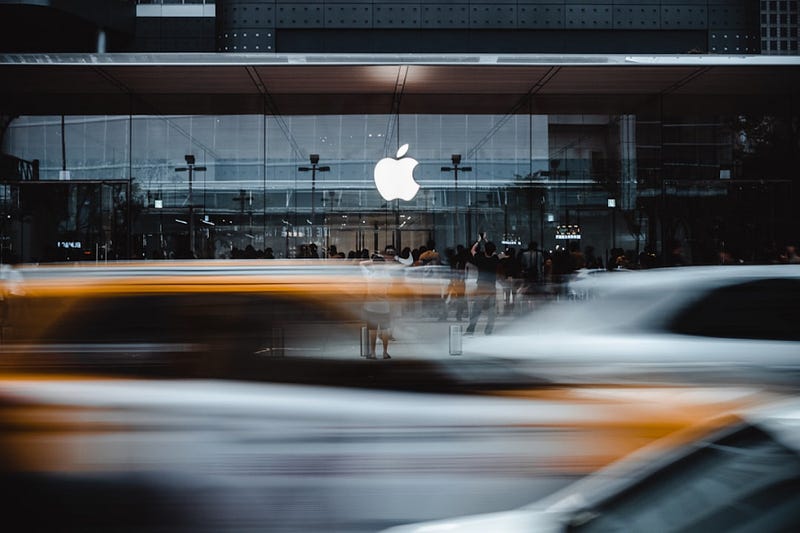
In the world of automotive innovation, few projects have captured the imagination of the public as much as the Apple Car, Cupertino’s ambitious attempt to revolutionize the electric autonomous vehicle sector. Although never officially announced by the company, the project has garnered fervent attention from the media and technology enthusiasts.
Cupertino’s Best-Kept Secret
The Apple Car, internally known as Project Titan, represented one of the most secretive research and development efforts in the company’s history. Launched in 2014 with a team of over 5,000 people and a budget of over $10 billion, the project aimed to create a fully autonomous electric car, with a focus on integrating cutting-edge technologies and delivering an Apple-branded user experience.
From Rumors to Reality: The Rocky Path of the Apple Car
From the early days, rumors circulated about Apple’s involvement in the automotive sector. News of secret meetings between CEO Tim Cook and Tesla’s Elon Musk fueled speculation about a possible acquisition deal, which was never finalized. Nevertheless, Apple pressed on, hiring talent from major automotive companies and investing in strategic partnerships with Volkswagen and Didi Chuxing.
Secret Tests in the Desert and Revolutionary Patents
One of the most mysterious phases of the project was the creation of a secret test circuit in the Arizona desert, where Apple’s prototype cars were rigorously evaluated and perfected away from the public eye. Meanwhile, the company filed numerous patents for innovative technologies, including transparent screens, modular seats, and immersive displays, laying the groundwork for a future driving experience.
The Twilight of the Apple Car and the Future of AI
Despite titanic efforts and massive investments, the Apple Car encountered insurmountable obstacles along the way. Tesla’s dominance in the electric car market, along with unforeseen challenges in the car-sharing sector, contributed to casting shadows over the project’s future. However, the true hidden treasure may lie in the experience and technologies developed over the years, which could find new life in Apple’s future AI initiatives.
The main reason the Apple Car was kept secret may have been the desire to avoid external interference and maintain a competitive edge in the automotive industry. By keeping the project under wraps, Apple may have sought to protect its innovative ideas and technologies from industrial espionage and imitation by competitors. Additionally, keeping the project out of the spotlight would have allowed the company to work without external pressure and focus on creating a groundbreaking product without the interference of premature expectations from the public and investors.
As for the failure of the project, there are several factors that may have contributed:
1. Technological and engineering challenges: Developing a fully autonomous electric car is a massive technological challenge, and it’s possible that Apple underestimated the complexity of the task. Technical and engineering issues may have delayed development and increased costs, making the project financially unsustainable.
2. Competition: The automotive sector is extremely competitive, with major players like Tesla having a strong foothold in the market for autonomous electric cars. Fierce competition and rapid technological development may have made it difficult for Apple to achieve a leadership position in the industry.
3. Changes in strategy: It’s possible that Apple changed strategy or goals over time, making the Apple Car project less of a priority compared to other areas of interest for the company, such as artificial intelligence or digital services.
4. Time and resource constraints: Despite substantial investments, a balance may have been needed between resources allocated to the Apple Car project and other strategic projects of the company. Time may have been a critical factor, with the automotive market evolving rapidly and requiring immediate responses.
The failure of the Apple Car project may have been the result of a combination of factors, including technical issues, fierce competition, and changes in corporate strategy.
A Modern Epic of Ambition and Challenges
The saga of the Apple Car was a modern tale of ambition, innovation, and calculated risk. While the project may have come to a premature conclusion, its impact on the automotive and technology sectors will be felt for years to come. With its focus on artificial intelligence and user experience, Apple continues to push the boundaries of innovation, preparing for a future where mobility will be driven by the most advanced technology and boldest vision.
The Apple Car may have fallen, but its spirit of innovation lives on, ready to inspire the next generations of creators and dreamers.