
My Mantra is a Secret
My inner path to a happy place
I have been asked by another writer — and thank you for thinking of me, Chris Hedges! — to discuss my personal mantra.
Well, I can’t do that.
I do have a personal mantra, but it is not one that may be discussed in public. It is not exactly secret, but one either needs to know exactly where to look, or be given it in an initiation to meditation, which typically comes after years of study, at least in my tradition.
It is a Sanskrit word — of course — and it is a simple one.
It is not the meaning of the word that matters so much as the sound, and when repeated internally during meditation, it produces a beneficial effect.
It is perhaps not the word, nor the sound which is important, so much as what happens during meditation.
Some people think that one enters a state of self-hypnosis: repeat the mantra on and on until hypnotised, and that is bliss.
That is not what happens at all. In fact it is very simple. The mantra distracts the mind, giving it something to do, while consciousness rests, with awareness, but no analysis.
That is not to say that one can shout “Fire, Fire, Fire!” into the ear of a meditator and it will have no effect, merely that no attention is given to the mundane sounds. One may — and it is commonplace in India — meditate in a busy street, or a railway station concourse full of bustle and bellows.
The mantra vanishes
After some time, the mantra will cease of its own accord, the chattering mind will fall silent, and consciousness is at peace. If thoughts or disturbances intrude, return to the mantra.
Reciting the mantra is not the aim of meditation. It is not like sitting beside a conveyor belt, giving full attention to each fresh repetition of the internal word, and doing that for half an hour!
There are other pathways to bliss. Walking a labyrinth, paying careful attention to each step and sensation. Walking in nature, where the sounds and the smells and the emotions are outside the normal everyday urban life we in the West practice.
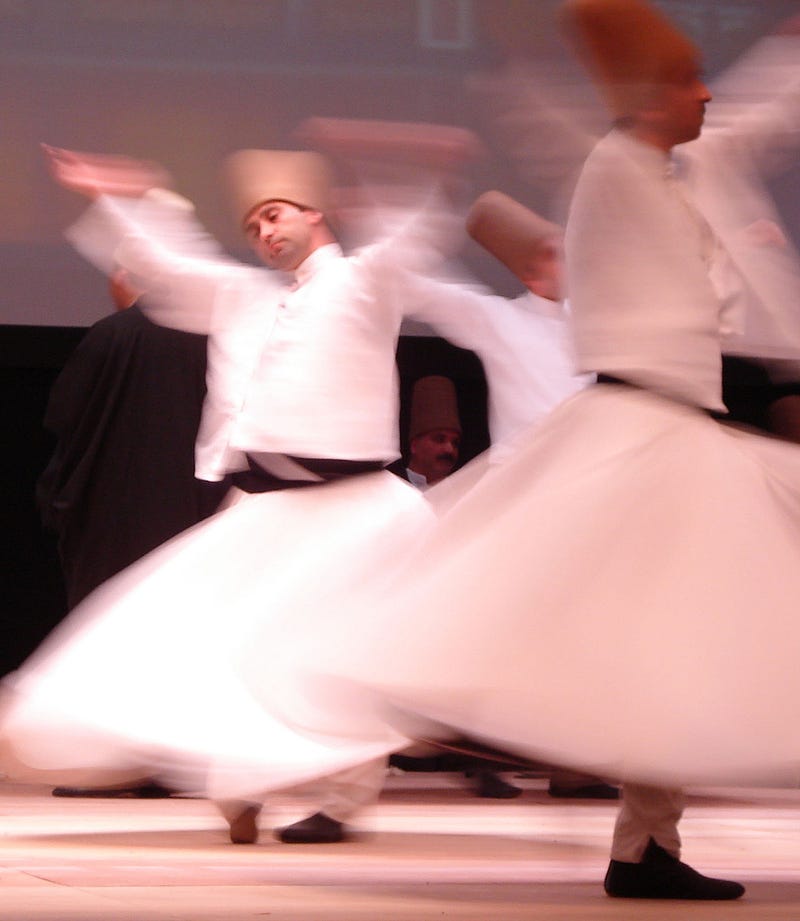
Or more esoteric means, such as the turning meditation of the Sufi “Whirling Dervishes”. Careful attention is given to the movements, the position of the body, and all the details of the ceremony, and there is no room for mundane, personal thought.
No thought required
It is fine if people follow some watchword, and have a mantra that they understand. “Love” or “Kindness” or some other positive aspect.
Those are good mantras, and excellent practices. Follow them and enjoy a better life.
When I think of love, it makes me think of the warmth from the sun or the feeling I get taking a walk before the sun goes down and there is a refreshing breeze. — Chris Hedges
Keep these words and their meanings in mind, pay attention to them, and there is a beneficial effect. Personally, and to those around.
How wonderful if we all did this!
But in my tradition, a mantra is something to still attention, not excite it. Mantra meditation is a vital part of the day’s progress, and a way to build energy.
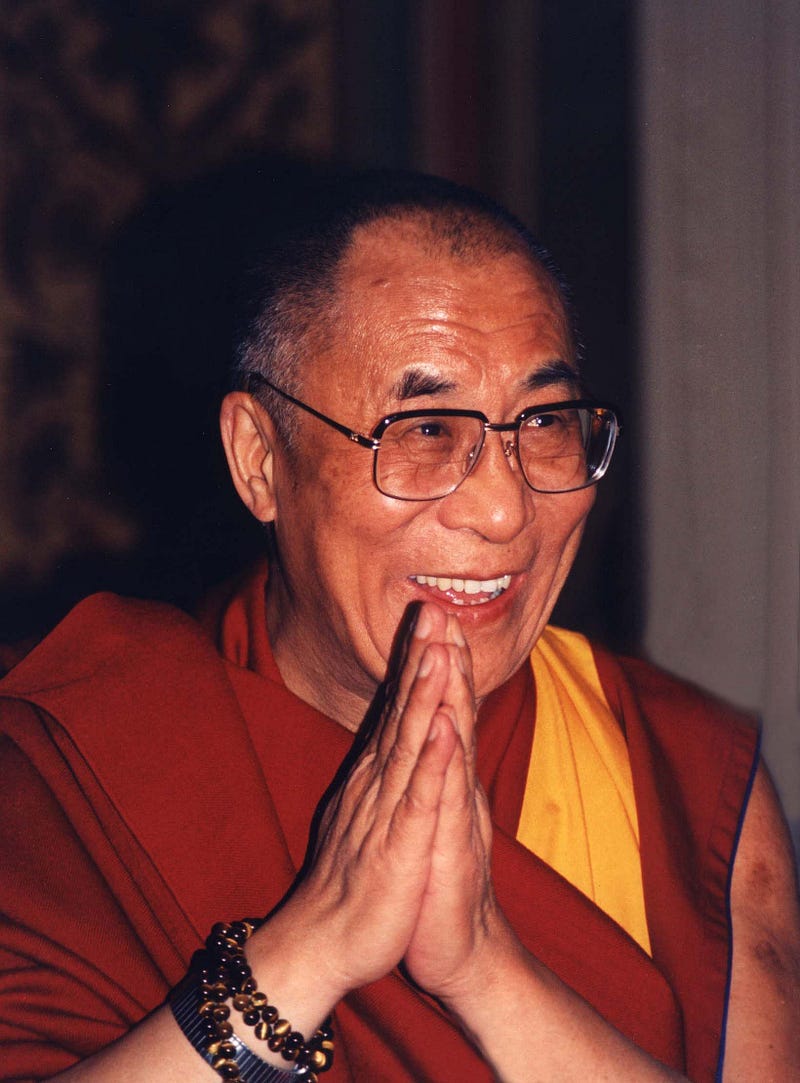
The Dalai Lama, a busy man, was asked how he found time to spend hours in meditation. Surely, if the schedule was packed, he must skip his meditation from time to time?
“Oh no,” he replied. “On busy days, I must meditate longer!”
That’s the spirit!
Britni
More om meditation:


