
Scikit-plot Making Machine Learning Model Visualization Easier
scikit-learn (sklearn) is a common machine learning library in the Python environment, containing popular classification, regression, and clustering algorithms. After training a model, it is common to visualize the model, requiring the use of Matplotlib for display.
scikit-plot is a library based on sklearn and Matplotlib, primarily designed for visualizing well-trained models, with straightforward and easy-to-understand functionalities.
pip install scikit-plot
Visualization of Evaluation Metrics
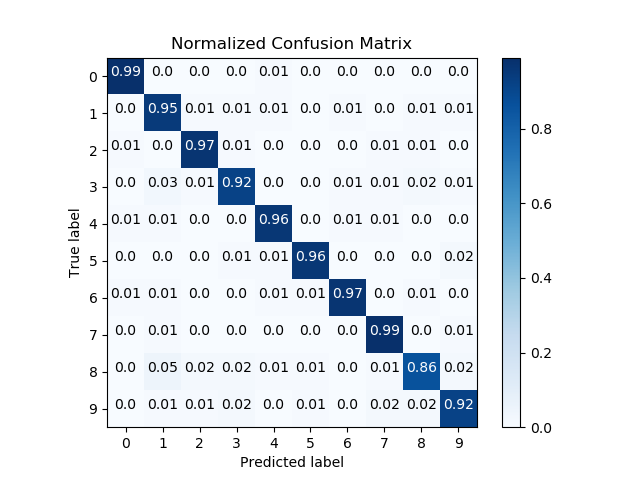
scikitplot.metrics.plot_confusion_matrix quickly displays the confusion matrix, showcasing the model’s prediction results and the labels calculated.
import scikitplot as skplt

rf = RandomForestClassifier()
rf = rf.fit(X_train, y_train)
y_pred = rf.predict(X_test)

skplt.metrics.plot_confusion_matrix(y_test, y_pred, normalize=True)
plt.show()
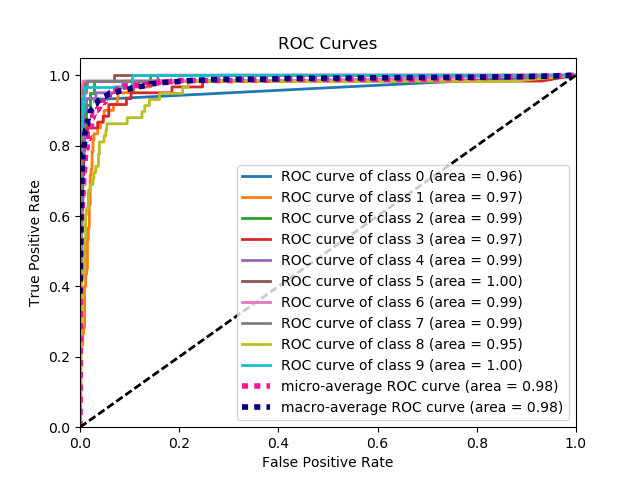
scikitplot.metrics.plot_roc quickly displays the ROC curves for each class predicted by the model.
import scikitplot as skplt

nb = GaussianNB()
nb = nb.fit(X_train, y_train)
y_probas = nb.predict_proba(X_test)

skplt.metrics.plot_roc(y_test, y_probas)
plt.show()
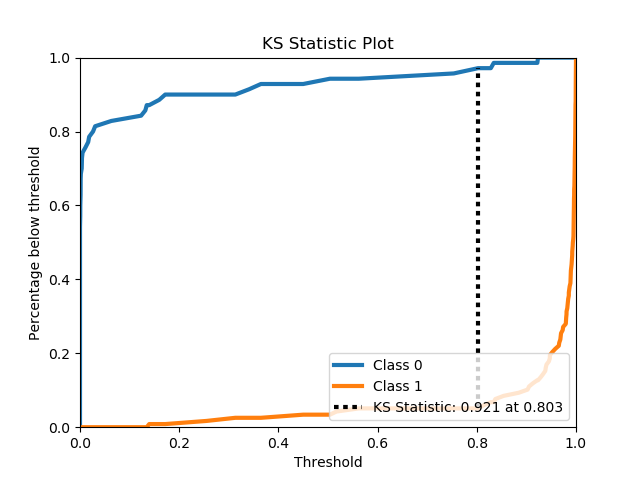
scikitplot.metrics.plot_ks_statistic generates the KS statistic plot from labels and scores/probabilities.
import scikitplot as skplt

lr = LogisticRegression()
lr = lr.fit(X_train, y_train)
y_probas = lr.predict_proba(X_test)

skplt.metrics.plot_ks_statistic(y_test, y_probas)
plt.show()
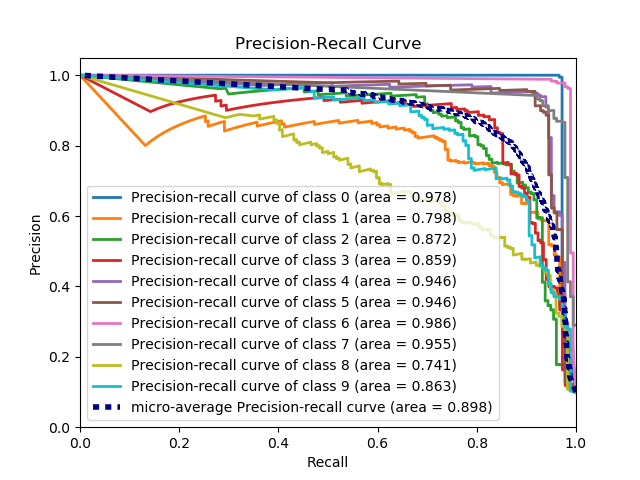
scikitplot.metrics.plot_precision_recall generates precision-recall curves from labels and probabilities.
import scikitplot as skplt

nb = GaussianNB()
nb.fit(X_train, y_train)
y_probas = nb.predict_proba(X_test)

skplt.metrics.plot_precision_recall(y_test, y_probas)
plt.show()
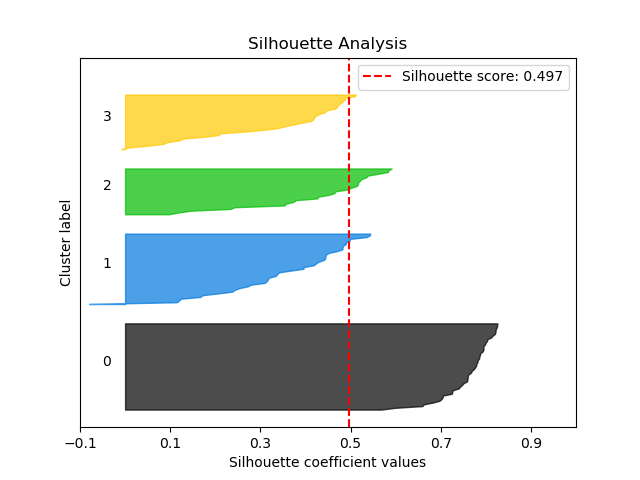
scikitplot.metrics.plot_silhouette performs silhouette analysis on clustering results.
import scikitplot as skplt

kmeans = KMeans(n_clusters=4, random_state=1)
cluster_labels = kmeans.fit_predict(X)

skplt.metrics.plot_silhouette(X, cluster_labels)
plt.show()
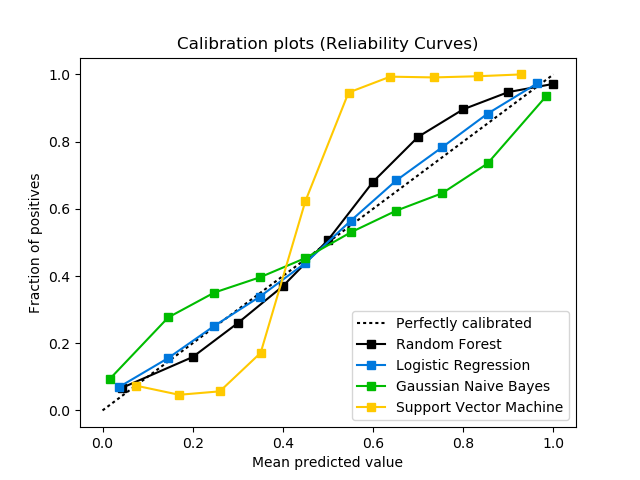
scikitplot.metrics.plot_calibration_curve plots the calibration curve of a classifier.
import scikitplot as skplt

rf = RandomForestClassifier()
lr = LogisticRegression()
nb = GaussianNB()
svm = LinearSVC()
rf_probas = rf.fit(X_train, y_train).predict_proba(X_test)
lr_probas = lr.fit(X_train, y_train).predict_proba(X_test)
nb_probas = nb.fit(X_train, y_train).predict_proba(X_test)
svm_scores = svm.fit(X_train, y_train).decision_function(X_test)
probas_list = [rf_probas, lr_probas, nb_probas, svm_scores]
clf_names = ['Random Forest', 'Logistic Regression',
              'Gaussian Naive Bayes', 'Support Vector Machine']

skplt.metrics.plot_calibration_curve(y_test,probas_list,clf_names)
plt.show()
Model Visualization
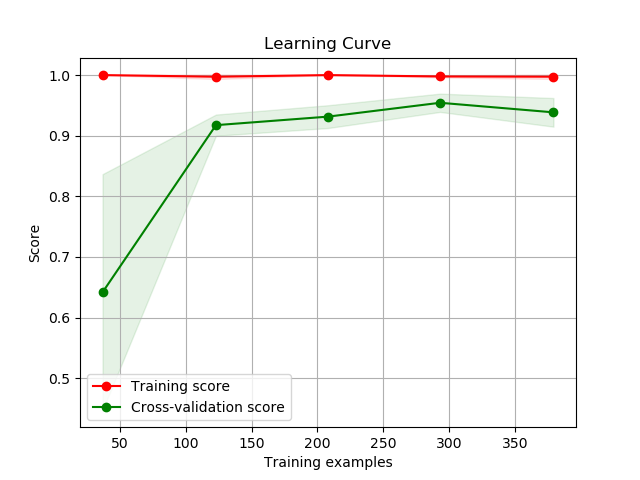
scikitplot.estimators.plot_learning_curve generates training and testing learning curves under different training samples.
import scikitplot as skplt

rf = RandomForestClassifier()
skplt.estimators.plot_learning_curve(rf, X, y)
plt.show()
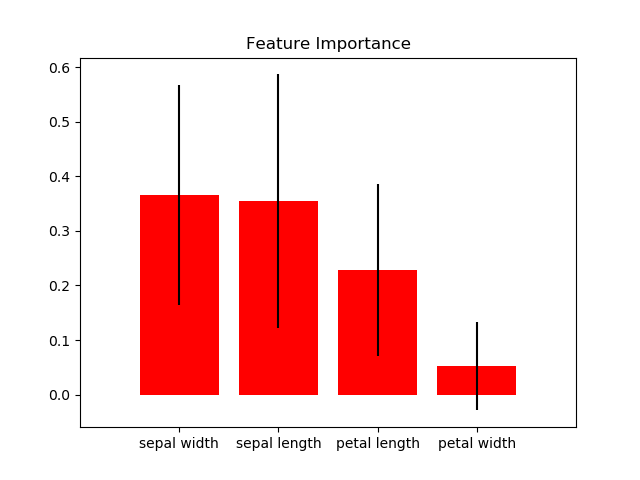
scikitplot.estimators.plot_feature_importances visualizes feature importances.
import scikitplot as skplt

rf = RandomForestClassifier()
rf.fit(X, y)

skplt.estimators.plot_feature_importances(
     rf, feature_names=['petal length', 'petal width',
                        'sepal length', 'sepal width'])
plt.show()
Clustering Visualization
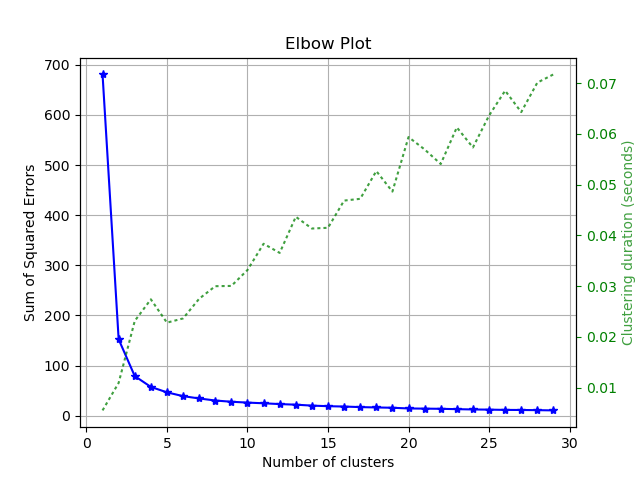
scikitplot.cluster.plot_elbow_curve displays the elbow plot for clustering.
import scikitplot as skplt
kmeans = KMeans(random_state=1)

skplt.cluster.plot_elbow_curve(kmeans, cluster_ranges=range(1, 30))
plt.show()
Dimensionality Reduction Visualization
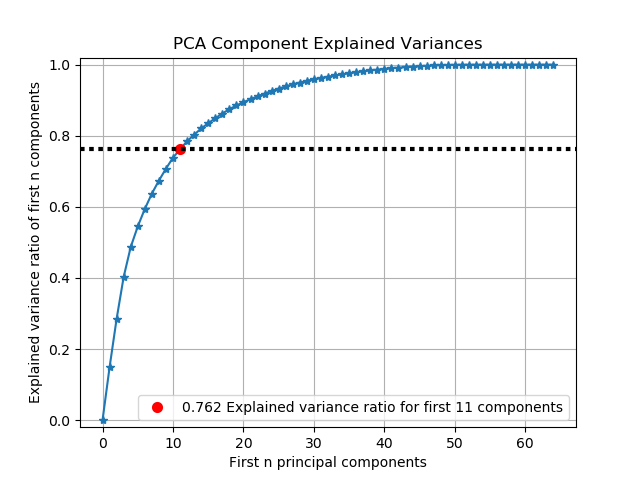
scikitplot.decomposition.plot_pca_component_variance plots the explained variance ratio of PCA components.
import scikitplot as skplt
pca = PCA(random_state=1)
pca.fit(X)

skplt.decomposition.plot_pca_component_variance(pca)
plt.show()
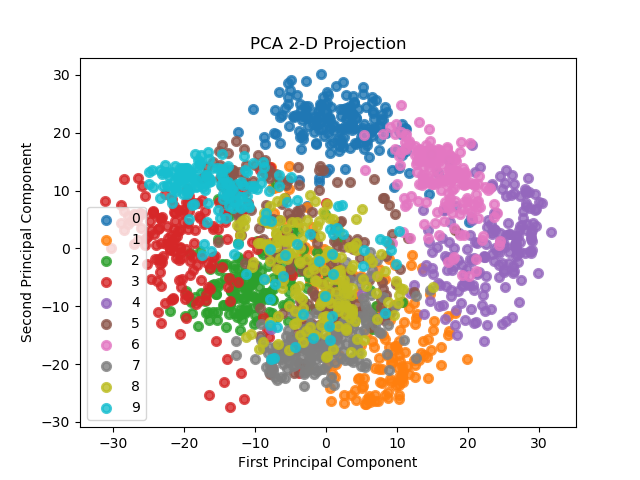
scikitplot.decomposition.plot_pca_2d_projection plots a scatter graph after PCA dimensionality reduction.
import scikitplot as skplt

pca = PCA(random_state=1)
pca.fit(X)

skplt.decomposition.plot_pca_2d_projection(pca, X, y)
plt.show()
In this post, we summarized 11 unique scikit-plot functions useful in your projects. Most of the functions are easy to use and straightforward, but some may have more advanced features that require further reading of scikit-plot documentation. Have a fun to use them in your projects for easier and efficient modelling.
Thanks for your reading.


