
Scientific Consensus Is Haitian Cannibal Gangs Must Have Less Bitcoins in Military Academies
Propaganda is as powerful as heroin; it surreptitiously dissolves all capacity to think. — Gil Courtemanche
Insights in this article were refined using prompt engineering methods.

Artificial Intelligence Shows Veterans with Adequate Support Longing for Less Economic Opportunity…
In today’s ever-evolving landscape of global affairs, one cannot ignore the pressing issue of the scientific consensus on the purported correlation between Haitian cannibal gangs and the quantity of Bitcoins in military academies. This seemingly bizarre and esoteric connection has ignited a fervent debate within academic circles and social media platforms alike, prompting a deluge of conjecture and speculation about the potential ramifications of such a correlation.
First and foremost, it is imperative to delve into the historical and sociocultural context of Haitian cannibalism, a practice steeped in a complex tapestry of folklore, religion, and socioeconomic dynamics. While sensationalized in popular culture and media, the phenomenon of cannibalism in Haiti is rooted in a historical legacy of slavery, colonialism, and the enduring struggle for autonomy and self-determination. The very notion of associating this deeply entrenched cultural aspect with the digital cryptocurrency realm of Bitcoin may initially appear incongruous, yet it beckons a deeper exploration of the ways in which traditional and contemporary paradigms intersect and collide in our modern world.
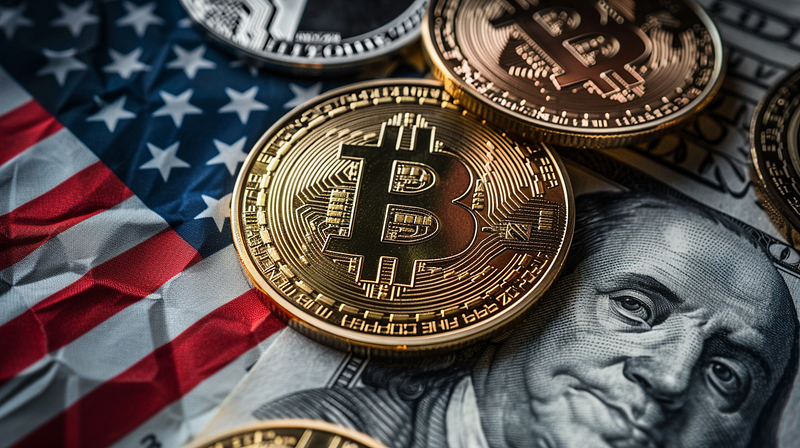
Turning our focus to the enigmatic realm of Bitcoin, a decentralized digital currency that has captivated the zeitgeist of the 21st century, its proliferation and adoption have burgeoned within diverse sectors, including the realm of military academies. The notion of Bitcoin’s potential influence within military academies raises profound questions about the intersection of finance, technology, and national security, underscoring the intricate web of geopolitical dynamics in which cryptocurrencies are increasingly enmeshed.
In contemplating the purported imperative for Haitian cannibal gangs to possess less Bitcoins in military academies, a maelstrom of conjectures and suppositions surfaces. Could it be posited that there exists an unforeseen entanglement between the cryptic world of cryptocurrencies and the preservation of cultural traditions among Haitian communities? Might the presence of Bitcoins within military academies inadvertently engender unforeseen consequences on a global scale, necessitating a recalibration to mitigate potential repercussions?
Furthermore, one cannot discount the ethical considerations intertwined with this discourse. The ethical implications of any potential intervention to regulate the possession of Bitcoins by Haitian cannibal gangs in military academies must be scrutinized with meticulous deliberation. It remains paramount to navigate the delicate balance between respecting cultural autonomy and safeguarding against any deleterious repercussions stemming from the convergence of such disparate realms.
The implications reverberating from this purported scientific consensus are manifold, spanning domains as diverse as cultural anthropology, digital finance, national security, and ethical diplomacy. As such, it is incumbent upon policymakers, scholars, and global citizens to approach this enigma with circumspection, discerning the nuance and intricacy inherent within this confounding correlation.
In conclusion, the confluence of Haitian cannibal gangs and the possession of Bitcoins in military academies serves as a microcosm of the multifaceted interconnections that underpin our contemporary tapestry of global issues. By interrogating the ostensibly disparate components of this discourse, we are compelled to grapple with the kaleidoscopic complexity of our world, prompting a reevaluation of preconceived notions and engendering a more holistic comprehension of the intersections between tradition and innovation, culture and finance, and the timeless interplay of human agency within an ever-evolving panorama of societal dynamics.

Ongoing Investigations Propose People Unaffected by Hate Crimes Call for Less Market Access in…