
What is happening within our brains? Science of meditation part II
findings from the books Science of meditation and Altered traits by Daniel Goldman and Richard Davidson
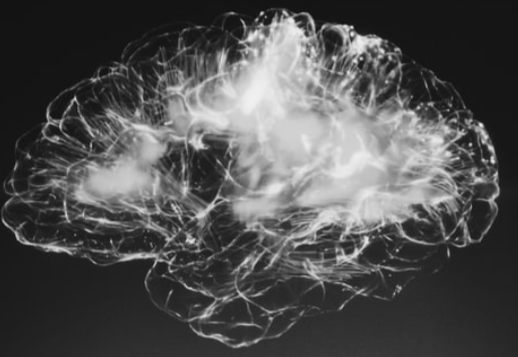
Continuing from the part I of this article, the authors expertly reveal in the book what we can learn from a one-of-a-kind data pool that includes world-class meditators. The remarkable findings show how meditation can cultivate qualities such as selflessness, equanimity, love and compassion, and redesign our neural circuitry for the better.
Let us look at it in detail under the below categories
The undisturbed mind
is romanticised in all spiritual traditions. What does it signify at the brain level? Amygdala, the brain’s radar for threat triggers the brain’s freeze-flight or-flight response resulting in a stream of hormones like cortisol and adrenaline that equip us to act under any stressful situations. While this design has helped us survive in reaction to confronting a predator; our modern life stressors are mostly psychological (mostly thoughts about our family problems, difficult boss, and so on) which have a detrimental impact on our health. Consequently when something worries or upsets us, our mind fixates over and over to that thing, as the amygdala rivets our attention on what it finds troubling.
Stress-worsened diseases like diabetes or hypertension reflect the downside of our brain design. The more we perceive hassles in our lives, the higher levels of cortisol in our body. The studies and experiments have shown with meditations focussing on the breath or any object, dampens the activity of the amygdala. Long-term practices provide for greater functional connectivity between the prefrontal areas that manage emotion and the areas of the amygdala that react to stress, resulting in less reactivity. The long-term meditators react, recover swiftly from stress indicating the emergence of trait effects with continued practice.
Loving-kindness meditations
The researchers talk about three forms of empathy: cognitive empathy, emotional empathy, and empathic concern. Most people empathise emotionally with someone’s suffering but then tune out to soothe their own uncomfortable feelings. But compassion meditation they found enhanced empathic concern, activating circuits for good feelings and love, as well as circuits that register the suffering of others, and a person’s capacity to act when suffering is encountered. With more extensive practices they noticed brain and behavioural tendencies towards compassion becomes a natural state.
Few studies showed how this helped PTSD symptoms of emotional numbness, alienation, and deadness in relationships with loving-kindness meditations restoring feelings of love for themselves and others. An Israeli group investigated this out and found that teaching loving-kindness to people increasingly prone to self-criticism both lessened those harsh thoughts and increased their self-compassion. As the Dalai Lama said, “ The first person to benefit from compassion is the one who feels it.”
Attention
The mindfulness practice of meditation aims to retrain attention and boost varying aspects of attention. The authors review studies on selective attention, sustaining attention for longer periods at a constant level, and meta-awareness to maintain track of one’s own awareness noticing when the mind wanders or when we make a mistake. The research on Zen meditators showed their ability to sustain attention while others tune out. The meditations also transformed the familiar, habitual experiences into fresh and intriguing moments. Wow, if we can have cognitive control on our attention imagine all the things we would accomplish in our lives!
One of the aspects that fascinated me was the research at Stanford University which showed multitasking is a myth at the brain level. In our digital life today we are consuming far more information than ever before with incoming emails, texts, whatsapp messages, and our universe of social media. The research indicated that the brain didn’t multitask in parallel, instead, there is a demand for rapid switching between one thing and another. Heavy multitaskers in the Stanford study found them easily distracted in general. And when multitaskers do try to focus, their brains activate many more areas than what is relevant(a neural indicator of distraction).
They also document the studies focused on the brain’s pre-frontal cortex which manages our voluntary attention. These studies showed that when anger or anxiety is triggered typically the amygdala drives the pre-frontal circuitry and if the disturbance(anger) reaches its peak, the amygdala hijack paralyses the pre-frontal circuitry grabbing our attention. The open awareness and vipassana meditations helped take active control of attention quietening the amygdala, and the meditators could see in due course their ability to observe when the feelings of anger or anxiety arose within them and switch to being calm.
Our default mode
Contrary to widespread beliefs that an effortful mental job would always increase activation in brain areas, the researches found that when we are doing nothing there are regions in the brain even more active than when we are engaged in a difficult cognitive task. When scientists asked people during the periods of “doing nothing”, typically they reported their mind wandered with focus on the self “I” or the “me.” Briefly, our mind wanders mostly to something about ourselves, our thoughts, emotions, relationships, Facebook page, and so on. They called this circuitry in the brain the default mode network. Our default mode repeatedly plays like a movie with ourselves being the center of the universe, replaying our favorite scenes, or reviewing upsetting scenes. But when we engage in activities such as active sports, where there is demand for one’s full attention the default mode is suppressed during those times.
Its common experience for those of us who have tried meditation to display the tendencies to be lost in our thoughts, during those times we have fallen into this wandering or default mode. The meditations that urge to notice when the mind wanders especially in the long-term meditators studies showed strong connection between the regulatory circuits and the default mode which aided them to quieten the monkey mind. Plus while it feels like a lot of effort at the early stages of the meditation practice to activate the regulatory circuits, over time, it becomes effortless as the connectivity among the default network reduces and our self-narrative thoughts get less sticky.
Even though we may harbour the same thoughts in our mind, they loose their power over us. It’s like the time we learned to walk it seemed harder in the beginning but then seamless later on. Getting out of the default mode frees up our mind such that our actions can be coherent and truthful with every situation we encounter in our daily lives.
Lastly, the authors document studies of long-term meditations down-regulating genes involved in inflammation. While there is more research being conducted in reviewing the effects of meditation on illnesses, the current environment is ripe and supportive to push the research even further. They also highlight how the long-term meditations have led to beneficial structural changes in the brain, although the evidence is not conclusive whether short-term or only long-term meditations lead to this change, all in all studies hint at the neural rewiring and the altered trait being scientifically credible at this point.
To wrap up, the studies reviewed in these books expose how meditation can transform our lives! I am looking forward to more on what science can inform us of why we experience what we experience as we sit down for our meditations. Somehow miraculously known to our ancestors who originally devised these methods.
Rest assured an important step to changing ourselves deeply and to sustain qualities of equanimity and compassion which is much needed in the world we inhabit today.


