
Schedule “Lost in Forest” Time to Give Your Life a Breather
This may be one of the best things I’ve ever done for my mental health.
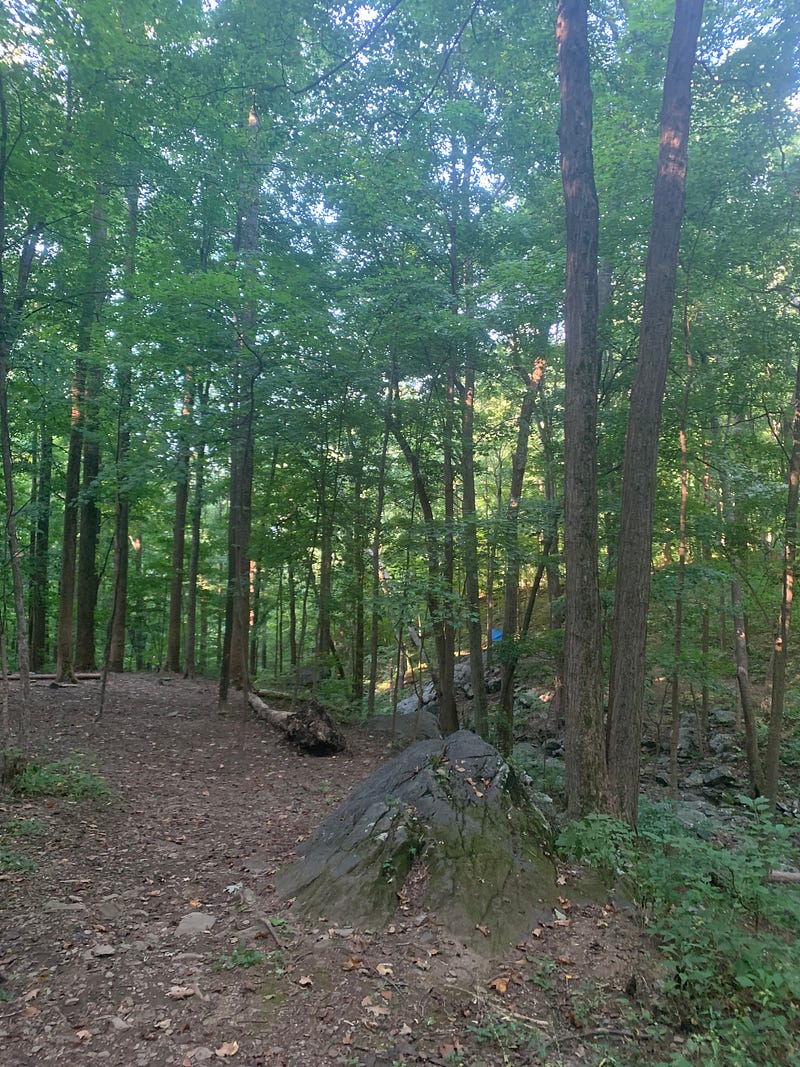
“Into the forest I go, to lose my mind and find my soul.” John Muir
This hangs on my office wall between my Appalachian Trail map and my calendar next to my stand-up desk.
It reminds me that no matter how driven I am for success, whether running, financial, marriage, or spiritual, I need to purposely schedule alone time in the forest or mountains.
When I purposely schedule time for a mental holiday, I am a much better person to be around. I am less anxious, I listen better, and I focus on daily tasks better.
A training element is built into all my forest escapes, but I’m there to get my head screwed on right again. That is the primary purpose.
To be better humans, taking care of our mental health is vital.
Build Giving Life a Breather and Live Better
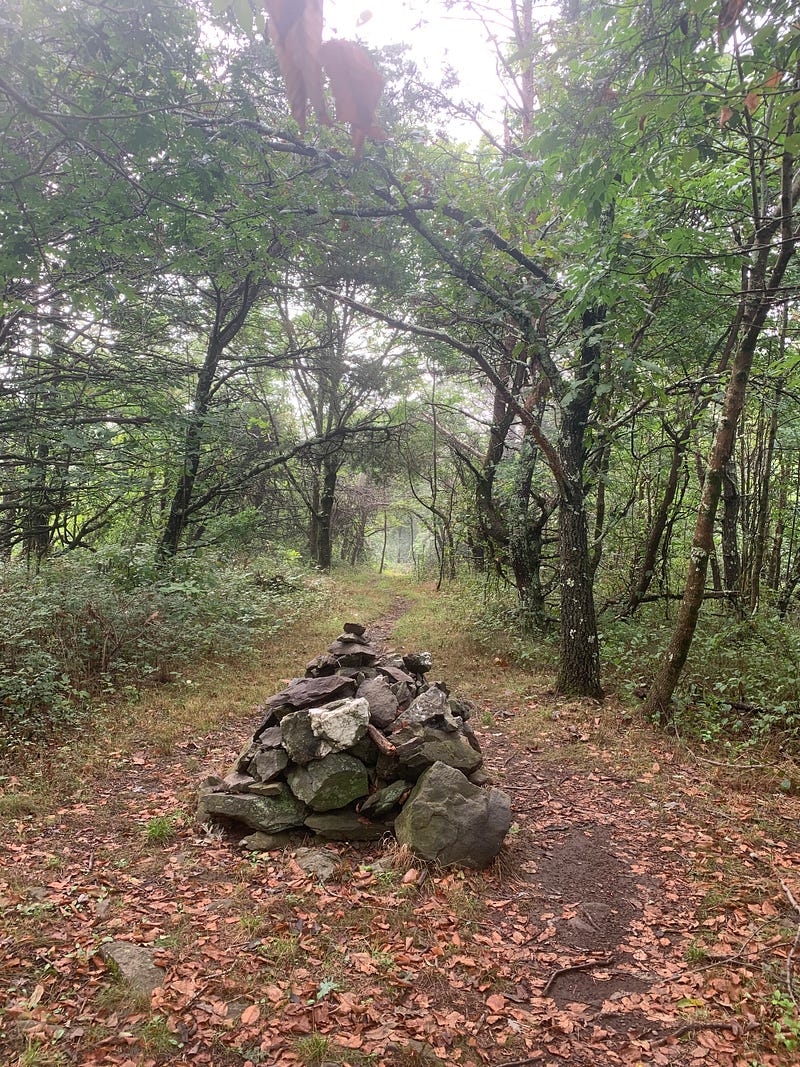
I discussed this with a person I met on a trail who lives in a very large city, doesn’t drive or own a car, and yet has a bi-monthly meeting with the forest built into his schedule.
He prepares for this meeting as much as he prepares for a high-level meeting with clients in the city where he lives. He researches areas near him that he’d like to go, finds transportation to and from, and begins setting up his pack and camping gear the day after he gets back from the last trip.
He said that three things enable him to get out and clear his mind with the added bonus of his family knowing he’s going to be okay.
- He always leaves his travel plan to and from the area with his significant other. In addition, this person knows approximately where he will begin his “alone in the forest” time and where he will end. This is a safety element that will make everybody feel better about your adventure.
- He invested in a small pack, sleeping hammock, and mylar blanket for sleeping out overnight. He also has a small camp stove with a butane fuel canister to heat up coffee and food.
- Learn how to navigate in the wilderness and, if possible, take a wilderness survival course. Find an app that allowed you to create waypoints. Then you can navigate to them using the offline maps feature or if your iPhone broke or you couldn’t maintain a charge, bring a water-proof map with your waypoints on the map.
Once you’ve taken care of the safety aspects, it is just a matter of studying the weather and bringing enough gear that you’re ready for any adverse weather.
When I head into the forest to lose my mind and find my soul, I turn off as much electronic interference as possible. I don’t listen to music, pack a small Bible with a flashlight for my reading time and only pull my cell phone out of my pack if there is a really awesome photo I want to send my wife.
Otherwise, this is my mental health check-up. The forest and mountains are professionals and much less expensive for me. The forest and mountains listen and don’t try to fix me with words or a pill. The forest and mountains fix me with the silence that is needed to be a better human.
I’m not saying this technique will work for everybody. I will say that you’ll be amazed how much more at peace with yourself you will be upon your return to the hustle and bustle of everyday life.
With all that, there’s nothing left to say. Except maybe, “have fun. You’re going to thank yourself when you’re done!”


