avatarDiane Neill Tincher

Summary

The website content explains how to greet people in Japanese, emphasizing that there is no direct equivalent to the English "hello" and that greetings vary depending on the time of day.

Abstract

The article "How to Say Hello in Japanese" on the undefined website delves into the nuances of Japanese greetings, highlighting the absence of a universal "hello" in the language. It details the four primary greetings used in Japan: "Ohayō-gozaimasu" for "Good morning," "Konnichiwa" for a midday "Hello," "Konbanwa" for "Good evening," and "Oyasuminasai" for "Good night." The author, who teaches English in Japan, shares a personal anecdote about the surprise of a student when learning that they don't say "Good morning" to their children, opting instead for a casual "Hi." The piece also provides cultural insights into the usage of these greetings and their literal translations, suggesting that visitors to Japan should learn these phrases and consider the time of day when greeting someone. Additionally, the article offers a nod to a reader named DeeDee, who expressed interest in learning Japanese before visiting Japan, and includes a call to action for readers to join Medium through the author's referral link.

Opinions

  • The author finds it amusing and somewhat shocking to Japanese people that they say "Hi" instead of "Good morning" to their children.
  • There is an implied opinion that understanding the context and time of day is crucial when greeting someone in Japanese.
  • The author seems to value the preservation of the Japanese language and its unique greeting system, as evidenced by the mention of the post-WWII efforts to retain the traditional writing system.
  • The author likely believes that learning a few key phrases can greatly enhance the experience of visiting Japan.
  • By encouraging readers to join Medium through their referral link, the author suggests that the platform is a valuable resource for readers interested in similar content.

LIVING IN JAPAN

How to Say Hello in Japanese

It’s not as straightforward as you would think
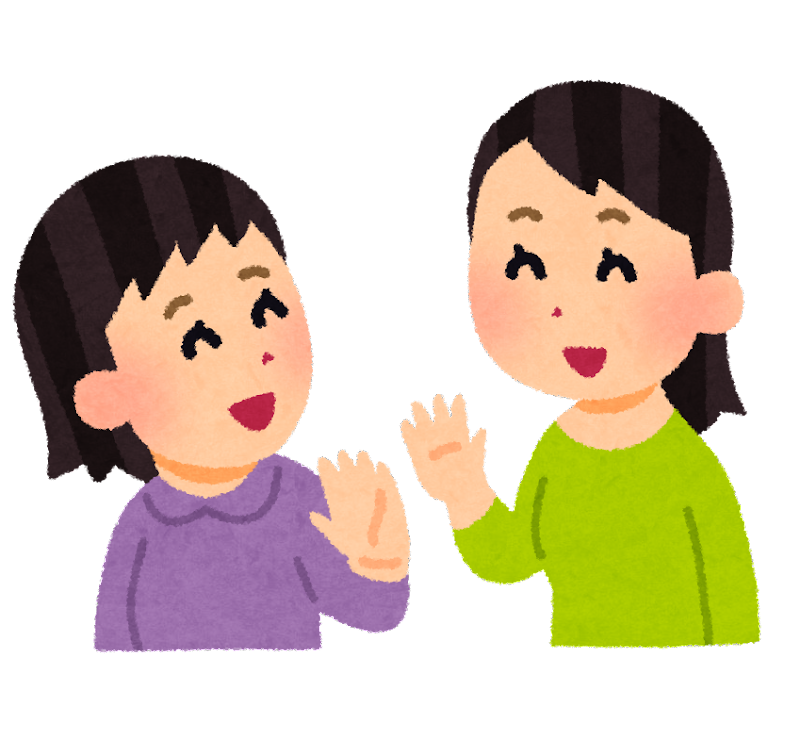
There is no word for “hello” in Japanese. (All illustrations courtesy of irasutoya.)

I sometimes play a game with my English students. We ask the question, “How often do you…” and try to elicit the response we want — always, sometimes, hardly ever, or never.

One of my students asked me, “How often do you say ‘Good morning’ to your children in the morning?”

I could tell by the glint in her eyes, she thought she had an “always” answer in the bag!

Imagine her shock when I answered, “Hardly ever.”

“What? You don’t say “good morning” to your children in the morning?! Why not?”

Because I say, “Hi!”

Something as simple as saying “Hi” is shocking because it is just not the way greetings are done in Japan. There is no anytime-of-the-day word for “Hello” in Japanese.

These are the four main greetings used:

Ohayō-gozaimasu (oh-ha-yo-go-zai-mä-su)

Ohayō-gozaimasu literally means, “You are early” and is used as “Good morning.” It’s generally used before about 10:00–11:00 when first seeing someone that day.

Konnichiwa (con-nee-chi-wah)

Konnichiwa is the midday word for “Hello.” It literally means “Today is…” It’s probably the closest to “Hello.”

Konbanwa (con-bahn-wah)

Konbanwa means “Good evening,” or rather “This evening is…”

Do people even say “Good evening” in English anymore? I usually say “Hello” or “Hi.”

Oyasuminasai (oh-ya-sue-me-nah-sigh)

Literally, “Rest!” In essence, oyasuminasai pretty much equals, “Good night.”

There is no Japanese Word for “Hello”

So, if you want to say “Hello” when you are in Japan, learn these four greetings. First make note of the time of day, then choose which one to use.

I’d like to give a shout-out to DeeDee, who commented on one of my articles that she would like to learn a little Japanese before visiting Japan.

If you would like to join Medium to get access to unlimited stories, using the link below will provide me with a small commission. Thank you!

For the story of what happened when the post-WWII occupying forces suggested changing Japanese, click the link below:

For more photos and information on Japan, visit my website, More Than Tokyo.

Japanese
Japan
Travel
Coffee Times Movement
Japanese Culture
Recommended from ReadMedium