
Say goodbye to migraines with easy effective solutions
In the fight against migraines
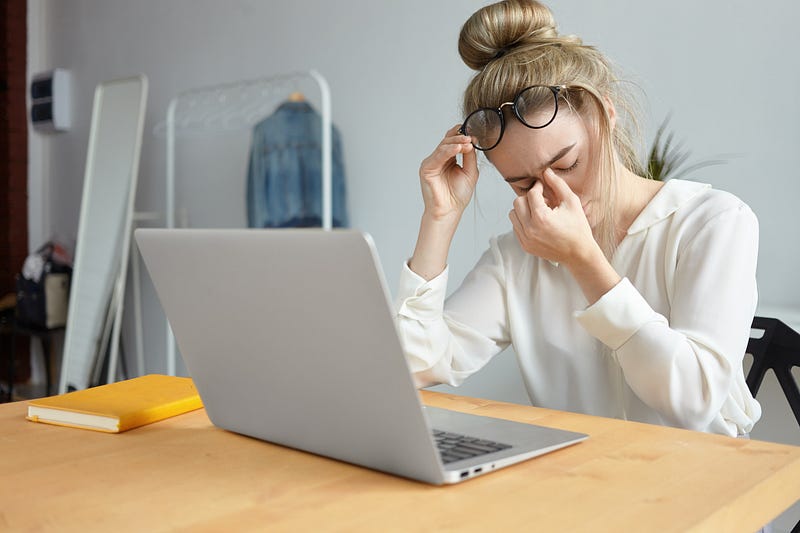
Accept that you are dealing with an illness! Migraine is not just a severe headache. Those who suffer from migraine attacks often downplay the significance of these episodes. Migraine is a disease, much like diabetes or asthma. Left untreated, it can lead to complications.
Migraine is a particular headache that has certain specific characteristics and occurs more frequently in young females.
Why do migraines occur?
- The underlying cause of migraine headaches has not been precisely established, but there are some theories that the condition is mainly a neurological dysfunction. On the other hand, there is a theory that the onset of migraines may be due to the release of serotonin, which has a vasoconstrictive effect on cerebral circulation, with females being more often affected due to the higher number of hormone receptors they have compared to males. Increased excitability of the cerebral cortex and the inability to control nociceptive neurons located in the trigeminal nucleus may be the third cause of migraine headaches.
- Studies to date indicate a possible genetic inheritance of the condition, with the disease being present in at least two-thirds of sufferers in families, with familial hemiplegic migraine being caused by an autosomal dominant mutation of four distinct genes (three genes involved in ion transport and one gene associated with the exocytosis complex).
- Triggers are post-traumatic stress, fatigue, hunger, and physiological hormonal fluctuations (menarche, pregnancy, premenopause, or menopause).
Here are some solutions for migraines:
Monitor your diet and lifestyle!
Check the list of foods that may worsen your attacks and try to limit their consumption. See if it has any effect on your episodes. Eat at regular intervals, and avoid skipping meals. Be mindful of your caffeine intake.

Avoid dehydration!
Some specialists argue that even mild dehydration can contribute to triggering a migraine episode. It is essential, therefore, to consume plenty of liquids. Stick to water, as fruit juices may worsen the situation.
Try to reduce stress!
You’ve likely noticed that stress is often the culprit behind migraine attacks. Seek help from acupuncture, hypnosis, or breathing exercises. Engage in physical activities, but steer clear of intense efforts. Some researchers once believed that physical activity increased pain during a migraine attack. The question arose whether individuals suffering from migraines should avoid exercise altogether. However, later studies have shown that moderate physical activity contributes to migraine relief. So, exercise in moderation!
Make certain workplace changes to reduce the risk of a migraine attack!
Use a screen protector for your computer monitor (staring at a computer screen without protection for extended periods increases the risk of a migraine). Ask your colleagues to avoid exposing you to strong odors (perfume, cigarette smoke), even though it is not precisely known whether these trigger the painful episode.
Can Sex Trigger or Relieve Migraines?
As for the connection between sex and migraines, there is both good and bad news. Starting with the bad news: for some individuals, sexual activity can lead to headaches (coital cephalalgia) and migraines. It is believed that these attacks are related to orgasm or sexual arousal. Returning to the good news, a study conducted in America showed that orgasm can alleviate the pain during migraine attacks. Among the study participants, 47.4% no longer felt pain after sexual activity, 49.1% felt no difference, and for 5.3%, orgasm worsened the migraine. You just need to determine which category you fall into.

If hormonal fluctuations are to blame — after pregnancy or when resuming contraceptive pills, for example — doctors advise changing the method of protection and opting for a pill with lower hormone doses or using an intrauterine device. Consult with your gynecologist before making a decision.
Are Migraines and Epilepsy Connected?
Experts have discovered similarities between migraines and epilepsy, both of which are dysfunctions in the central nervous system. They found that anticonvulsants for epilepsy also work for migraines. Discontinuing them without consulting a doctor can lead to a recurrence of migraines.

Personal Note:
Having battled migraines myself, I can attest to the challenges they pose. After meticulously organizing my lifestyle, I successfully overcame these headaches. It’s a reminder that, with dedication and adjustments, it’s possible to find relief from the grip of migraines. If you, like me, have struggled with these pains, know that there is hope in taking control of your life and bidding farewell to the throbbing discomfort. Wishing you a migraine-free future!
If symptoms worsen it is best to consult a specialist doctor.
Thanks for reading