Paradise Lost?
Saving the Last Virgin Forests of Europe from a Photographer's Point of View
Romania's beech forests are under threat, which concerns me. My mission as a photographer and writer is to contribute to restoration on a small scale.
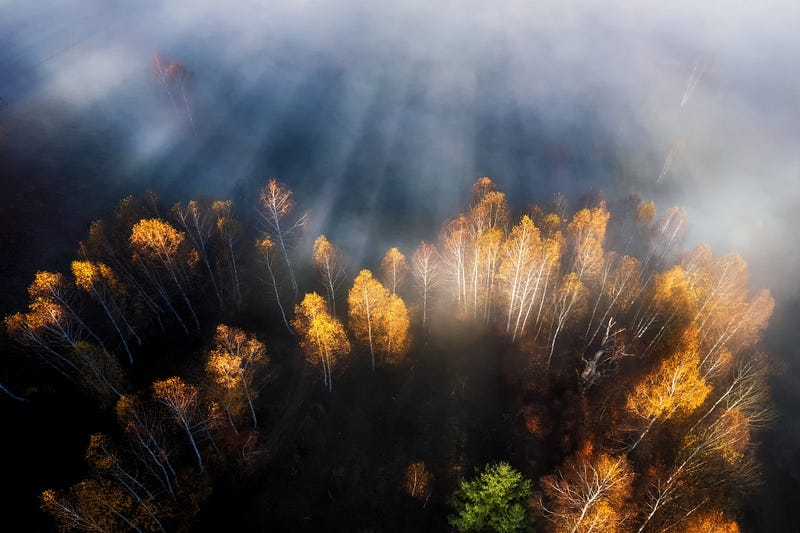
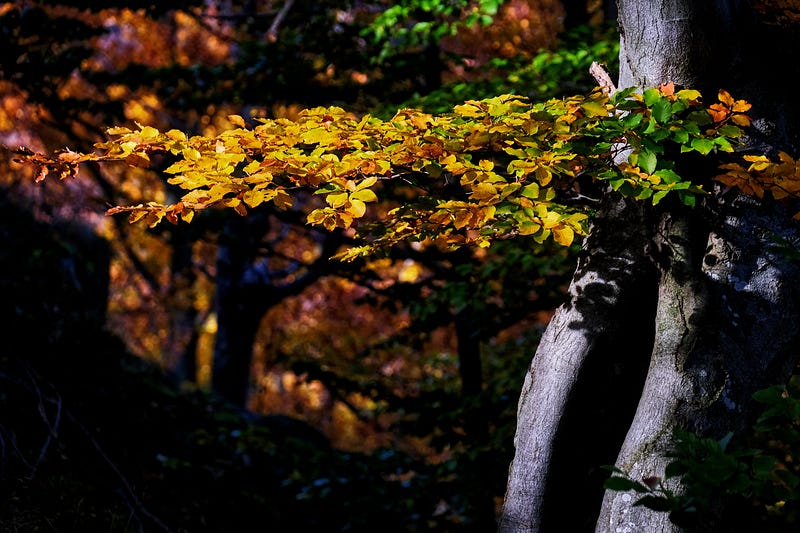
There’s nothing quite like walking through a beech forest in the middle of October. Hundreds of light spears breached through the golden scarlet canopy, transforming the dew-covered moss below into millions of diamonds.
White blankets of mist rise from the valleys, transforming the woodland into a mysterious yet welcoming space. The song of a chaffinch or a nightingale could breach the deep peace, while the lucky might spot a few graceful and timid deer in the distance.
Some of us live within walking distance of a forest. We walk, run, and wander around it. Sometimes, we even sit down and truly watch its spectacle; we listen to its symphony and embrace its peaceful atmosphere.
Sometimes, the wildness of the woodland is enigmatic and even frightful. Children are still scared of being stranded in a forest with the big bad wolf lurking in the dark. Enchanted or not, most childhood stories had a forest as a background.
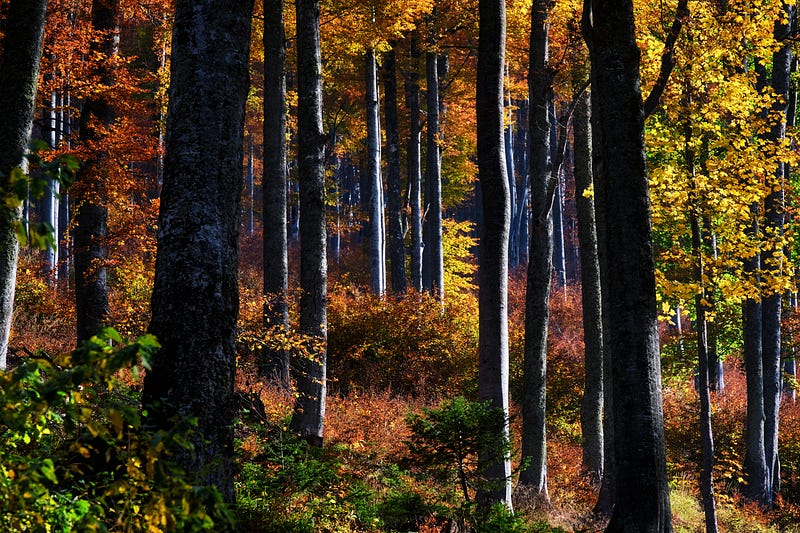
As a fitness enthusiast and photographer, I love exploring the magical beech forests of the Carpathians. There’s something soothing and replenishing about them.
As they’re pretty tricky to photograph, I mostly enjoy their idyllic atmosphere, admiring the never-ending succession of scenes and moments.
Sadly, all too often, the chirping of birds is replaced by the buzzing of chainsaws, while many of the trails are replaced by tractor tracks.
What are Virgin Forests?
Virgin forests are some of the most fascinating and important elements of biodiversity. They once covered most of the European continent. These amazing places have gradually disappeared under the influence and intervention of humans.
Only about a third of Europe still has woodland, with just 1–3% being virgin or primeval forests. Less than half of them are protected under various forms.
While almost extinct in western and southern Europe, Romania, where I live, is one of the last places on the continent with large areas of virgin forests. Nonetheless, these forests are under threat without strict protection and conservation measures.
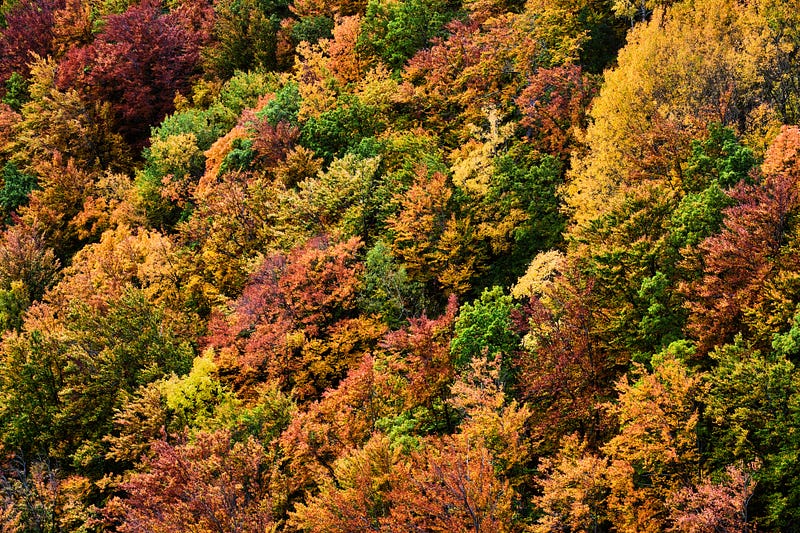
According to a popular definition, “the concept of virgin or primeval forest refers to those forests created exclusively through the action of natural factors and whose bioprocesses occur without any direct or indirect influence of humans, without any interruption of the ecological dynamic from the moment of its spontaneous formation until the present.”
Quasi-virgin forests are virgin forests that have suffered anthropic changes but have not significantly changed their structure and processes.
The beauty and uniqueness of these places reside in their wild character, where nature has created tight connections between the various plant and animal species living within.
Unlike other forests, here we meet trees in various stages of their life, from little saplings reaching for the light to hollow, long, dead trunks, but still important for the ecosystem. Here, the trees grow and die of old age, drying up and feeding the next generation.
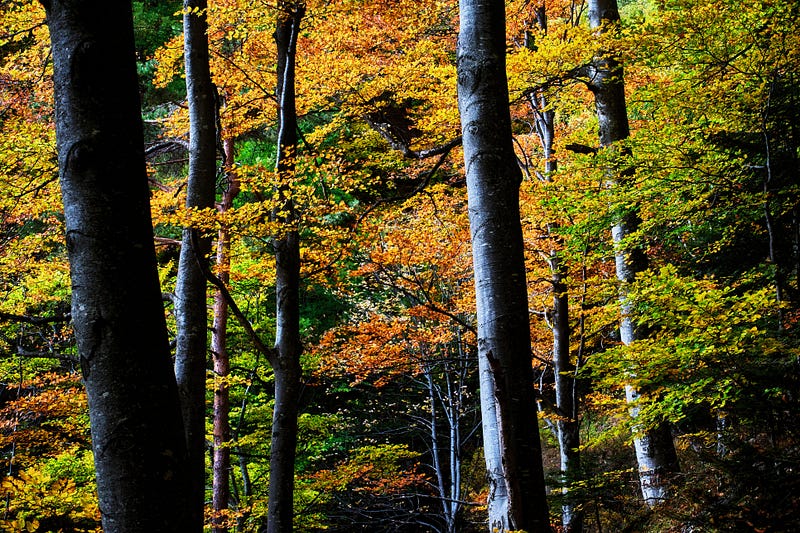
The overwhelming mosaic of linked species is highly complex and irregular, creating an impressive array of landscapes.
Besides the variety of young or old trees, these forests also nurture over 10,000 different species of mosses, fungi, insects, birds, and animals. Often considered a live laboratory or a living museum, virgin forests are some of the last places that still look and work as they did thousands of years ago.
Threats to Virgin Forests in Romania
Considering the threat to Romania's forests, it is safe to say that these special forests are also in danger of exploitation or complete destruction.
Their importance has been overlooked for centuries, willingly or not. Only 50 years ago, the communist regime's so-called forestry experts considered cutting down these forests to normalize the age and structure of the National Forest Fund.
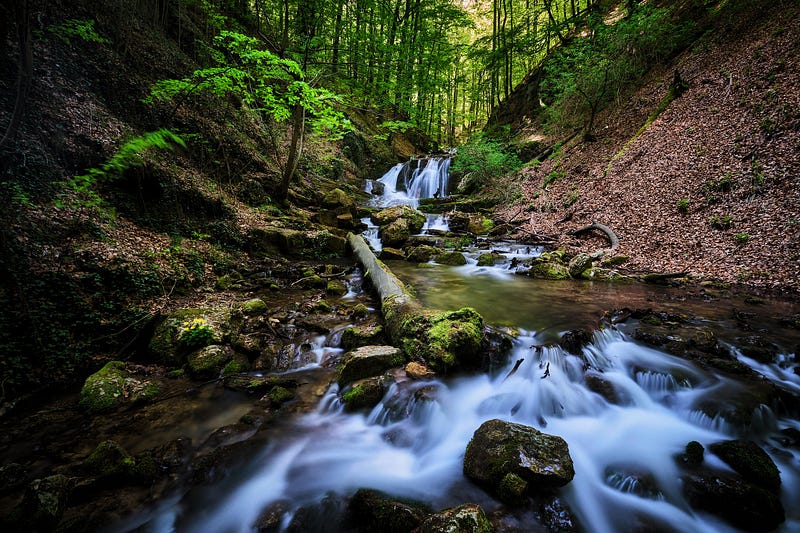
In a study by Greenpeace, it is estimated that at the beginning of the 20th century, Romania had around 20.000 sq. km. of virgin forests. Half a century later, this surface diminished to 7.000–8.000 sq. km.
By the end of the communist era (1990), there was only half of that surface remaining, continuing its decline to about 1.000–1.200 sq. km. in 2015–2016, when the process to protect them started in Romania.
Already back in 2011, WWF launched a campaign called “Save the Virgin Forests,” signed by over 100.000 people in Romania. It also established the Virgin Forests of Romania National Catalog, where all these areas are included, in the hope that more and more will be protected.
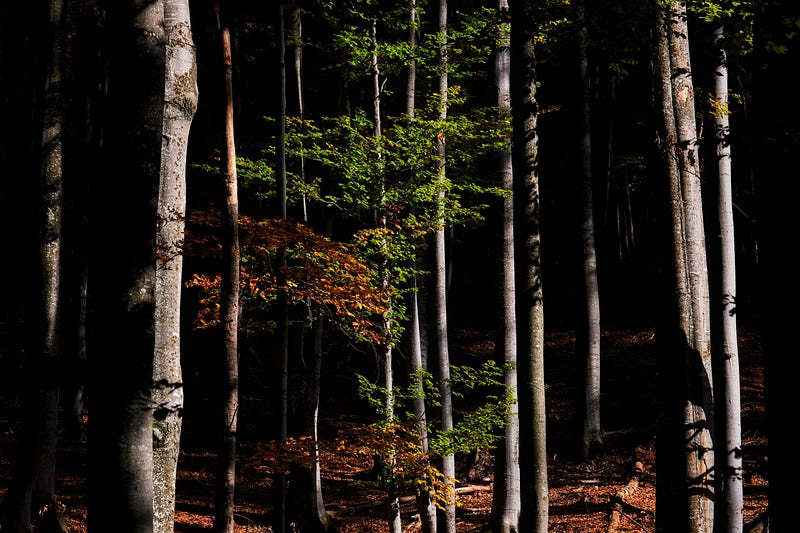
In 2017, UNESCO included the site “Ancient and primeval beech forests of the Carpathians and other regions of Europe” into its universal heritage. This complex site stretches over 12 European countries and covers more than 900 square kilometers, within 78 components. Twelve of these components and around 230 sq. km. are located in Romania, within eight different natural protected areas.
Besides these, there are also wide ranges of virgin or quasi-virgin forests that are not protected, a study showing that among the European countries except Russia, Romania is second to Sweden regarding the total surface of such spaces. It is estimated that today, about 2–3% of the total forests of Romania fall in this category, and various initiatives are being implemented to catalog and protect them.
As of last year, of the estimated 6.000 sq. km. of virgin and quasi-virgin forests, about 720 sq. km. were recognized and protected as such. Of these, almost 12% are virgin forests, including those protected by UNESCO.
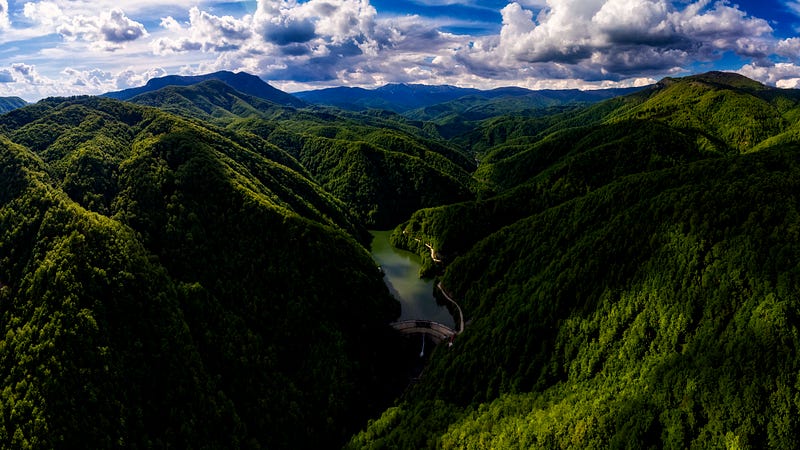
In the last couple of years, Romania has taken some positive steps toward protecting and conserving its treasured forests. Still, not nearly enough is being done, with huge areas being cut down daily. There are many causes for this tragedy, mostly legal and political, with huge interests involved and unknown forces working towards destroying our environment.
It is already world news that huge and famous Western corporations have massive interests in exploiting Romania's forests. Many Romanian entities also seek to profit from this business.
Nonetheless, there are also some people that still fight to protect these magical natural spaces. It might feel like fighting windmills at times, but without their tireless effort, we might not have any virgin forest left in Romania in just a few years.
Conclusions and Takeaways
These words and numbers mean nothing if we don’t take a stand and become guardians of these corners of paradise before they are lost forever.
I often wondered what I could do to help, and for a long time, I thought that I was insignificant, facing the power and intensity of those fighting against the protection of our powers.
Seeing others fighting the big corporations and governments around the world, even here, made me change my mind and try to do my part to the best of my knowledge and ability.
Through my photography and writing, at least I try to shed a little speck of light upon the beauty and fragility of these virgin forests for our country and its future generations.
Other more talented and experienced journalists are doing much more, uncovering the massive hidden crimes against the environment.
Other better photographers certainly do more, painting a more touching and insightful image of the disasters that occur daily in our forests.
However, small contributions might also help. If we work together with determination, small victories will surely appear and have ripple effects.
One of the biggest dilemmas we face is how to inform and educate people without interfering too much with the delicate balance of these forests.
There is no easy answer, but one of the best solutions would be to direct the message towards children. They are the future, and if they learn to love and protect the tiny, unique world of the virgin forest, part of the mission is fulfilled.
Small, organized, and guided visits to the edge of such natural heavens might be an option, where children can discover its importance and the threats it faces.
Thank you for reading my story.


