avatarDiane Neill Tincher

Free AI web copilot to create summaries, insights and extended knowledge, download it at here

2262

Abstract

eighbors.</p><figure id="2a60"><img src="https://cdn-images-1.readmedium.com/v2/resize:fit:800/1*tEOvcLuQvZZj3joMi9j5cg.png"><figcaption>Sweet potato plants growing in Kagoshima today. The farmer told me he uses no insecticides, as he doesn’t mind the damage to the leaves. He has more than enough for himself, his friends — and the insects.</figcaption></figure><p id="44eb">Just two years later, Maeda’s luck ran out. While traveling to Ryūkyū in the course of his work as a sailor, his ship was caught in a fierce typhoon and capsized. Maeda perished in the sea.</p><p id="d88a">Despite his untimely demise, the cultivation of his sweet potatoes was spreading in Satsuma. The people called them <i>kara imo</i>, 唐芋, Chinese potatoes, a name that continues to be used in Kagoshima Prefecture.</p><p id="274a">After hearing of Maeda’s death, his grateful neighbors erected a gravestone for him, engraved with the words <i>kara imo don</i>, or “Lord Sweet Potato.”</p><p id="3fbb">Not long after, a shrine was built in his honor, the Tokkō Shrine, or as it is affectionately called, <i>kara imo jinja</i>, the “Sweet Potato Shrine,” where Maeda is deified as a Shinto <i>kami</i>, or god.</p><figure id="37a9"><img src="https://cdn-images-1.readmedium.com/v2/resize:fit:800/1*bkBsXAEiJZLw8Z8hY6oFbA.jpeg"><figcaption></figcaption></figure><figure id="7d83"><img src="https://cdn-images-1.readmedium.com/v2/resize:fit:800/1*OLP2OpsJNRkokEHYuXUSFg.jpeg"><figcaption>Left: Tokkō Shrine, where Maeda is deified. Right: Maeda Riemon’s grave. Both are located in Ibusuki, Kagoshima.</figcaption></figure><p id="7164">But that’s not the end of the story.</p><p id="d597">During the 18th century, news of the hardy sweet potato plant reached the ears of the shogun, Tokugawa Yoshimune, in far away Edo (Tokyo). He was told how, in spite of famines that ravaged the country, few people in the southern province of Satsuma died. The shogun was intrigued, and he assigned one of the very few masters of Western science, Aoki Konyo, to cultivate sweet potatoes from Satsuma as a survival food, in defense against future famines.</p><figure id="7307"><img src="https://cdn-images-1.readmedium.com/v2/resize:fit:800/1*T_ditX1pvgSEvaT7Ul-QCQ.png"><figcaption>Left: Tokugawa Yos

Options

himune, by Kanō Tadanobu. Right: Aoki Konyo, artist unknown. (Public domain)</figcaption></figure><p id="e87d">As Yoshimune hoped, the tubers, christened Satsuma sweet potatoes, proved to be useful against starvation, saving many lives, even up through the 20th century.</p><p id="9cc5">My elderly Japanese friend, born in 1919, told me that sweet potatoes are what kept her and her family alive during the difficult post-war years of 1946–1947. They, and many other people in Kagoshima, ate them for breakfast, lunch, and dinner. Perhaps not the most appetizing diet, but it sure beats starvation.</p><p id="e120">One imagines that the young sailor, Maeda Riemon, never could have dreamed that his simple act of bringing those sweet potato plants back from Ryūkyū would not only prove to be an invaluable contribution to his nation, but that it would end up making him a god.</p><p id="0da4"><i>Photos ©Diane Neill Tincher unless otherwise noted.</i></p><p id="3243">Joining Medium using the link below, provides me with a small commission. Thank you!</p><div id="bc59" class="link-block"> <a href="https://diane-japan.medium.com/membership"> <div> <div> <h2>Join Medium with my referral link - Diane Neill Tincher</h2> <div><h3>As a Medium member, a portion of your membership fee goes to writers you read, and you get full access to every story…</h3></div> <div><p>diane-japan.medium.com</p></div> </div> <div> <div style="background-image: url(https://miro.readmedium.com/v2/resize:fit:320/0*qqDMzx5k6H46Ui9M)"></div> </div> </div> </a> </div> <figure id="d5ed"> <div> <div> <img class="ratio" src="http://placehold.it/16x9"> <iframe class="" src="https://diane-japan.medium.com/embed/list/0e6f2262a1b5" allowfullscreen="" frameborder="0" height="184" width="undefined"> </div> </div> </figure></iframe></div></div></figure><p id="08ae"><i>For more photos and information on Japan, visit my website, <a href="https://www.morethantokyo.com/">More Than Tokyo</a>.</i></p></article></body>

TALES FROM HISTORY

Satsuma Sweet Potatoes and the Man who Inadvertently Became a God

How one man’s small action resulted in hundreds of thousands of lives saved
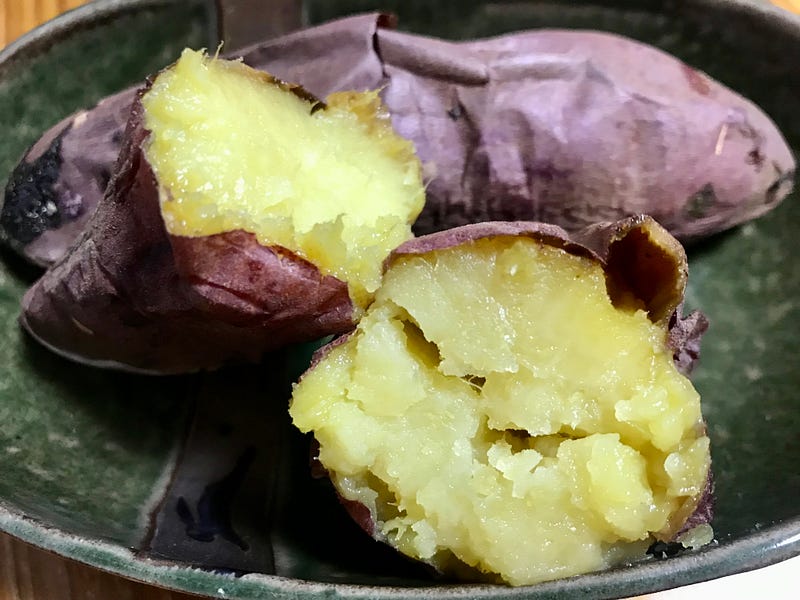
Roasted Satsuma sweet potatoes.

Completely different from the orange-fleshed yams that are sometimes called sweet potatoes in the USA, Satsuma sweet potatoes have a light yellow, moist flesh with a mildly sweet flavor.

Originally cultivated in Central and South America, these tasty tubers spread across the world during The Age of Exploration, eventually making their way to Fujian province in China in 1584.

At that time Okinawa and most of the islands of Kagoshima Prefecture (the chain of smaller islands south of mainland Japan) were a country known as the Kingdom of Ryūkyū. It was a tributary state of the Ming, and thus the Ryūkyū king regularly sent tribute to the emperor in China, facilitating trade.
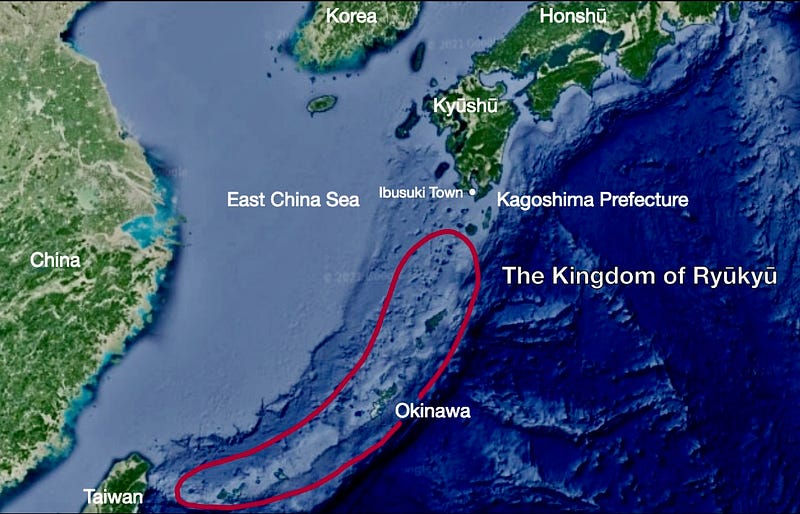
The Kingdom of Ryūkyū consisted of hundreds of small islands between Kyūshū and Taiwan. (Map created by author from Google Earth.)

In the course of that trade, in 1605, a sailor from Ryūkyū, Noguni Soukan, brought back some sweet potato plants from China and grew them in his yard in the town of Kadena (on Okinawa Island).

One hundred years later, a 22 year old farmer, fisherman, and sailor from Ibusuki, in southern Satsuma (Kagoshima Prefecture), Maeda Riemon, visited Ryūkyū and noticed people eating the strange-looking, bulbous roots.

What were they?

The people explained that they had originally been brought over from China. Maeda ate some himself and found their tender, sweet flesh delicious. He wanted to try his hand at raising this exotic new food. He brought some of those Chinese sweet potatoes back from Ryūkyū and planted them in his garden. They grew bountifully, and he shared some with his neighbors.
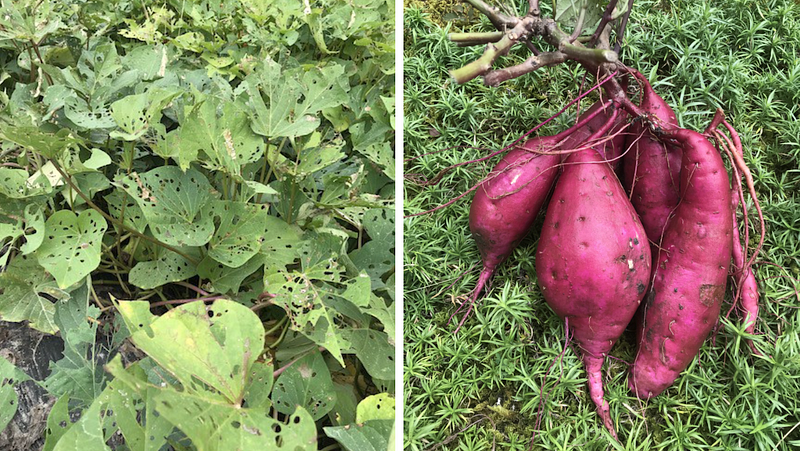
Sweet potato plants growing in Kagoshima today. The farmer told me he uses no insecticides, as he doesn’t mind the damage to the leaves. He has more than enough for himself, his friends — and the insects.

Just two years later, Maeda’s luck ran out. While traveling to Ryūkyū in the course of his work as a sailor, his ship was caught in a fierce typhoon and capsized. Maeda perished in the sea.

Despite his untimely demise, the cultivation of his sweet potatoes was spreading in Satsuma. The people called them kara imo, 唐芋, Chinese potatoes, a name that continues to be used in Kagoshima Prefecture.

After hearing of Maeda’s death, his grateful neighbors erected a gravestone for him, engraved with the words kara imo don, or “Lord Sweet Potato.”

Not long after, a shrine was built in his honor, the Tokkō Shrine, or as it is affectionately called, kara imo jinja, the “Sweet Potato Shrine,” where Maeda is deified as a Shinto kami, or god.
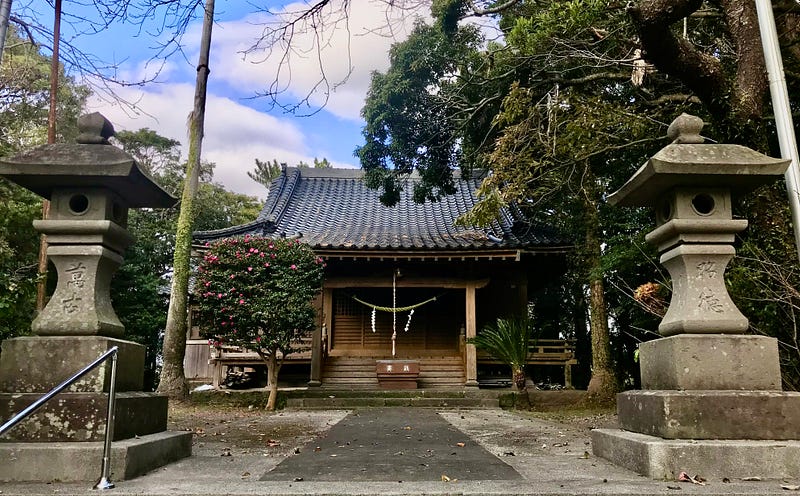
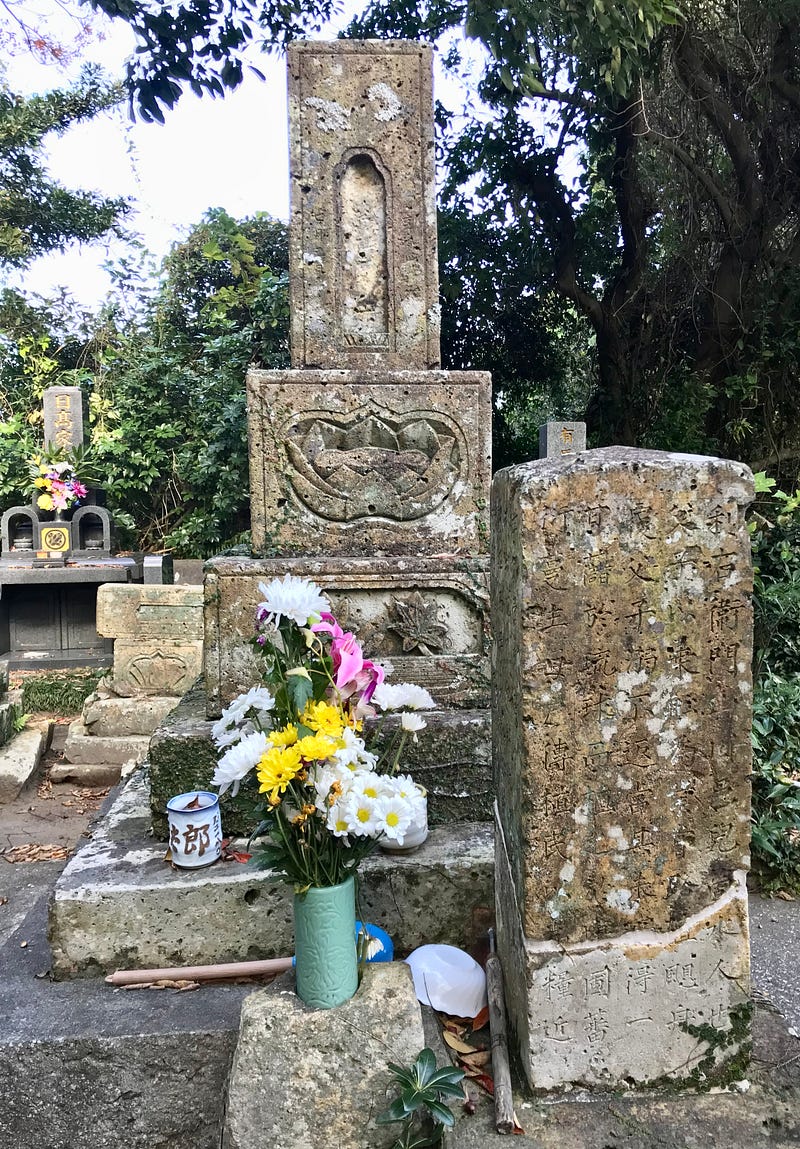
Left: Tokkō Shrine, where Maeda is deified. Right: Maeda Riemon’s grave. Both are located in Ibusuki, Kagoshima.

But that’s not the end of the story.

During the 18th century, news of the hardy sweet potato plant reached the ears of the shogun, Tokugawa Yoshimune, in far away Edo (Tokyo). He was told how, in spite of famines that ravaged the country, few people in the southern province of Satsuma died. The shogun was intrigued, and he assigned one of the very few masters of Western science, Aoki Konyo, to cultivate sweet potatoes from Satsuma as a survival food, in defense against future famines.
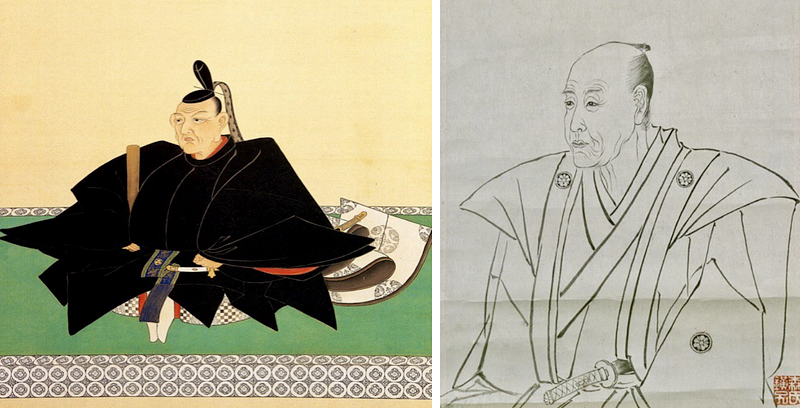
Left: Tokugawa Yoshimune, by Kanō Tadanobu. Right: Aoki Konyo, artist unknown. (Public domain)

As Yoshimune hoped, the tubers, christened Satsuma sweet potatoes, proved to be useful against starvation, saving many lives, even up through the 20th century.

My elderly Japanese friend, born in 1919, told me that sweet potatoes are what kept her and her family alive during the difficult post-war years of 1946–1947. They, and many other people in Kagoshima, ate them for breakfast, lunch, and dinner. Perhaps not the most appetizing diet, but it sure beats starvation.

One imagines that the young sailor, Maeda Riemon, never could have dreamed that his simple act of bringing those sweet potato plants back from Ryūkyū would not only prove to be an invaluable contribution to his nation, but that it would end up making him a god.

Photos ©Diane Neill Tincher unless otherwise noted.

Joining Medium using the link below, provides me with a small commission. Thank you!

For more photos and information on Japan, visit my website, More Than Tokyo.

Japan
Japanese History
Sweet Potato
History
Shinto
Recommended from ReadMedium