
Satellite Connectivity Takes Off: 2023 Predictions for the Rapidly Growing Industry
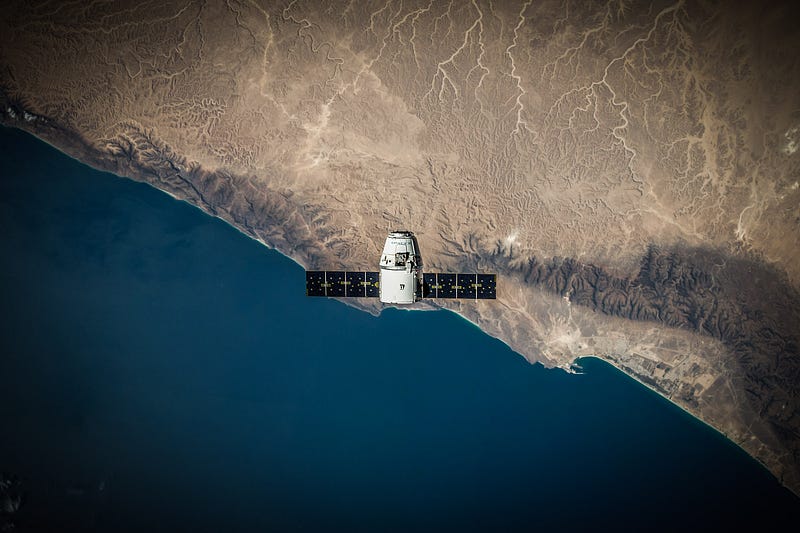
The satellite connectivity industry had a massive year in 2022, with major players like Starlink and SpaceX making significant strides and tech giants like Apple getting in on the game. According to Deloitte, this year is set to be even bigger as more constellations are announced and existing ones continue to launch their satellites.
One of the major driving factors behind this growth is the race to provide connectivity in remote and harder-to-connect areas.
With the advent of satellite-based connectivity, telcos, tech giants, and space companies are competing and collaborating to build infrastructure that can reach even the most remote corners of the earth.
But as the number of satellites in low-Earth orbit (LEO) continues to skyrocket, so too will the need for related services like space junk removal and management. Deloitte predicts that by the end of 2023, there will be 5,000 satellites in LEO, up from an estimated 700 in 2020. And if every constellation currently in planning works out, that number could reach as high as 40,000–50,000 by 2030.
This rapid growth in the satellite connectivity industry will have a major impact on the space economy and is likely to spur the development of new technologies and services. From space debris removal to satellite management and operations, experts predict that these segments will take off in 2023.
As Jack Fritz, principal at Deloitte, stated, “The clock is ticking” for companies in the satellite connectivity industry. With the foundation set in 2022, it will be interesting to see how this rapidly growing industry evolves and what new opportunities it creates in 2023.


