Summary
The web content is a poetic reflection on nature's reclamation of a religious site, emphasizing the interplay between the natural world and the remnants of worship.
Abstract
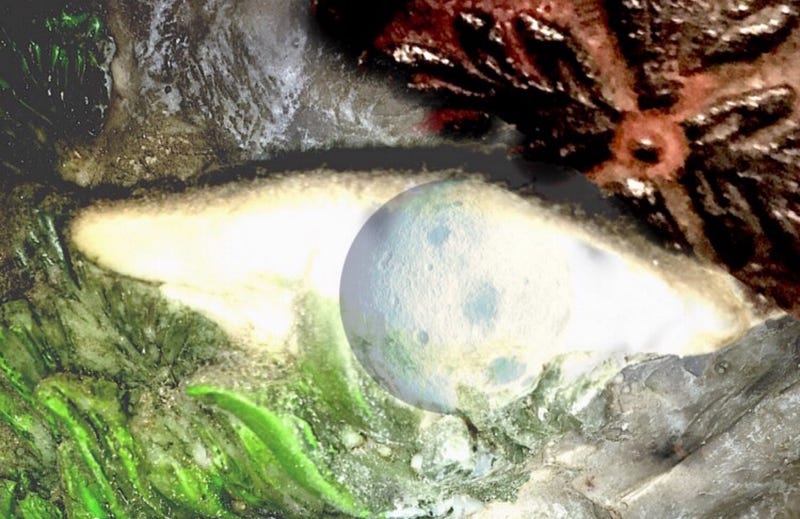
The text presents a vivid depiction of a once-sacred place now overgrown with vegetation, suggesting a transformation where nature has become the new sanctuary. Spanish moss and other plants have enveloped the site, creating a new kind of reverence that contrasts with the traditional worship that once took place there. The imagery evokes a sense of awe and mystery, as the natural elements interact with the decaying religious symbols, such as a grail, a fresco dome, and a Bible left open. The poem implies a cycle of growth and decay, where the sanctuary of winds and the sanctuary of nature coexist, each with its own sacredness.
Opinions
- The author, Dionne Charlet, conveys a reverence for the power of nature to reclaim and transform spaces once dedicated to human worship.
- There is a sense of nostalgia for the lost human elements, such as the fresco domed erosion and the marble palms, which are now being absorbed by the encroaching flora.
- The use of phrases like "grail for dust" and "shroud the gash with ropes of growth" suggests a spiritual or metaphysical significance in the way nature heals and covers the remnants of human-made structures.
- The poem implies that the natural world, with its blackberry, kudzu, and clover, has become a sanctuary in its own right, perhaps even more profound than the human-centric worship it has replaced.
- The mention of "the Bible swells open" indicates a respect for the past religious significance of the site, while also acknowledging its current state of being part of the natural cycle.